

9x12 faux fur rug Performance Analysis
Introduction
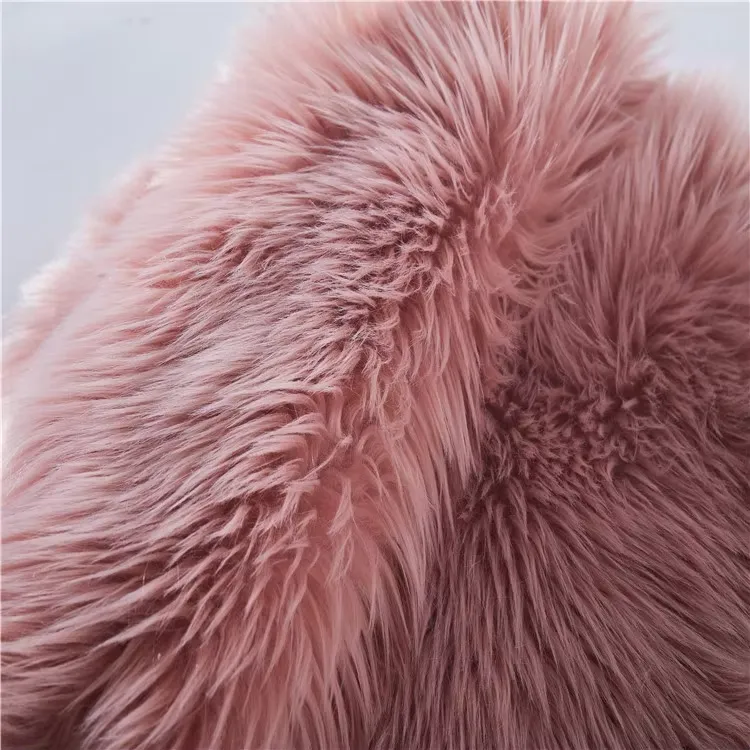
The 9x12 faux fur rug represents a significant segment within the broader decorative textiles industry, functioning as a synthetic alternative to natural fur rugs. Its position in the supply chain extends from petrochemical feedstock production through fiber extrusion, weaving/knitting, dyeing, finishing, and finally, retail distribution. Core performance characteristics encompass aesthetic appeal, tactile comfort (softness and pile height), durability under typical residential use, and ease of maintenance. Unlike natural fur, faux fur avoids ethical concerns surrounding animal welfare and offers a cost-effective alternative. However, achieving a comparable luxurious feel and long-term resistance to wear and tear present ongoing challenges in material science and manufacturing. Key performance differentiators include fiber composition (acrylic, polyester, modacrylic blends), pile density, and backing material. This guide provides an in-depth technical overview of 9x12 faux fur rugs, addressing materials, manufacturing, performance characteristics, failure modes, and industry standards.
Material Science & Manufacturing
The predominant material in 9x12 faux fur rugs is synthetic fiber, primarily acrylic and polyester. Acrylic fibers (polyacrylonitrile) are favored for their wool-like texture and warmth, achieved through a bulky yarn structure. Polyester, especially microdenier polyester, is often blended with acrylic to improve durability, reduce shedding, and enhance colorfastness. Modacrylic fibers are sometimes included for improved flame retardancy. Raw material quality dictates final product performance; virgin polymers yield superior fiber characteristics compared to recycled materials. Manufacturing begins with polymer extrusion, forming continuous filaments. These filaments are then processed into yarn via texturing – crimping, looping, or twisting – to create the desired pile structure. The rug’s backing material typically consists of jute, polypropylene, or a combination of both. Jute provides a natural fiber base, offering breathability and some structural support, while polypropylene enhances durability and resistance to moisture. The weaving or knitting process secures the yarn to the backing. Cut-pile construction (where yarn ends are sheared) provides a softer feel, while loop-pile construction (yarn remains looped) offers greater durability. Dyeing is commonly achieved through solution dyeing (adding pigment to the polymer melt before fiber formation) or piece dyeing (dyeing the finished fabric). Key process parameters include dye bath temperature, pH, and dwell time to ensure uniform color penetration and avoid fiber degradation. Post-dyeing treatments, such as brushing and shearing, refine the pile appearance and density. Quality control at each stage is critical, focusing on fiber denier, yarn tensile strength, colorfastness, and pile density.
Performance & Engineering
The performance of a 9x12 faux fur rug is heavily influenced by its construction and material selection. Force analysis focuses on pile compressive strength – the ability to withstand repeated foot traffic without significant pile deformation. Higher pile density and robust fiber composition contribute to greater compressive strength. Environmental resistance is a crucial consideration. Exposure to sunlight (UV radiation) can cause acrylic fibers to degrade, leading to discoloration and brittleness. Polyester exhibits better UV resistance. Moisture resistance is also vital; while synthetic fibers are generally hydrophobic, prolonged exposure to high humidity can promote mold and mildew growth within the backing material. Compliance requirements vary by region but generally include flammability standards (assessing ignition resistance and flame spread rate) and VOC emission limits (ensuring low levels of volatile organic compounds). Functional implementation centers around achieving a desired aesthetic and tactile experience. Pile height significantly impacts softness and luxury perception. Backing material influences slip resistance – a critical safety factor, particularly on hard flooring surfaces. Durability testing, including abrasion resistance (using methods like the Wyzenbeek test) and colorfastness to crocking and washing, are essential for assessing long-term performance.
Technical Specifications
| Parameter | Acrylic Fiber | Polyester Fiber | Pile Height (mm) | Pile Density (oz/yd2) |
|---|---|---|---|---|
| Tensile Strength (MPa) | 40-70 | 60-90 | 25-50 | 800-1500 |
| Elongation at Break (%) | 20-40 | 15-30 | 30-60 | 1000-2000 |
| Water Absorption (%) | 1-3 | 0.5-1.5 | 40-70 | 1200-2500 |
| UV Resistance (Rating 1-5, 5=Excellent) | 2 | 4 | 50-80 | 1500-3000 |
| Flammability (Flame Spread Index) | >200 | >200 | 60-90 | 2000-3500 |
| Colorfastness to Washing (Rating 1-5, 5=Excellent) | 3-4 | 4-5 | 70-100 | 2500-4000 |
Failure Mode & Maintenance
Common failure modes in 9x12 faux fur rugs include fiber shedding (particularly in lower-quality acrylics), pile crushing (loss of loft under sustained pressure), discoloration due to UV exposure, and backing delamination. Shedding arises from loose fiber ends breaking during use. Pile crushing results from the deformation of fibers, reducing their ability to spring back to their original shape. Delamination occurs when the adhesive bond between the pile and the backing weakens, leading to separation. Oxidation of acrylic fibers can also contribute to discoloration over time. Maintenance is crucial for extending rug lifespan. Regular vacuuming (using a suction-only nozzle to avoid damaging the pile) removes loose dirt and debris. Spot cleaning with a mild detergent and water is recommended for spills. Avoid harsh chemicals and abrasive cleaners. Professional cleaning (dry cleaning or specialized rug cleaning services) is advisable every 12-18 months to remove deeply embedded dirt and restore pile loft. Direct sunlight exposure should be minimized, and rotating the rug periodically can help distribute wear evenly. Addressing spills promptly and avoiding excessive moisture are essential preventative measures.
Industry FAQ
Q: What is the primary difference between acrylic and polyester faux fur in terms of long-term durability?
A: Polyester generally exhibits superior durability compared to acrylic. It demonstrates higher tensile strength, better abrasion resistance, and significantly improved resistance to UV degradation. Acrylic is prone to fading and becoming brittle with prolonged sun exposure, whereas polyester maintains its color and structural integrity for a longer period. However, high-quality acrylics can offer a more luxurious feel initially.
Q: How does pile density impact the rug’s performance under heavy foot traffic?
A: Pile density directly correlates with the rug’s ability to withstand foot traffic. Higher pile density (measured in ounces per square yard) means more fibers are packed into a given area, providing greater resilience and reducing the likelihood of pile crushing. A rug with lower pile density will show signs of wear and tear, such as flattened fibers, more quickly.
Q: What are the key considerations regarding flammability standards for faux fur rugs?
A: Faux fur rugs must meet specific flammability standards, often varying by geographic region. These standards typically assess the flame spread rate and ignition resistance of the material. While synthetic fibers are inherently flame-retardant to some degree, additional treatments may be necessary to meet stringent regulations. Look for rugs labeled as meeting standards like California Proposition 65 (for VOC emissions) or similar regional certifications.
Q: Can faux fur rugs be safely cleaned with steam cleaners?
A: Steam cleaning is generally not recommended for faux fur rugs. The high heat and moisture can damage the synthetic fibers, causing them to melt, distort, or lose their shape. Vacuuming and spot cleaning are preferred methods. If professional cleaning is required, opt for dry cleaning or a rug cleaning service specializing in synthetic materials.
Q: What backing materials offer the best balance of durability and breathability?
A: A combination of jute and polypropylene provides an excellent balance. Jute offers natural breathability, reducing moisture buildup, while polypropylene enhances durability and resistance to abrasion. A fully polypropylene backing is more durable but less breathable, potentially leading to mold or mildew issues in humid environments. A 100% jute backing is breathable but may lack the structural support needed for high-traffic areas.
Conclusion
The 9x12 faux fur rug, while offering a cost-effective and ethical alternative to natural fur, necessitates a thorough understanding of its material composition, manufacturing processes, and performance characteristics. The selection of appropriate fibers – acrylic, polyester, or blends – directly influences durability, UV resistance, and tactile properties. Manufacturing quality control, particularly concerning pile density and backing adhesion, is paramount to ensuring long-term structural integrity.
Future developments in faux fur technology will likely focus on enhancing fiber performance through innovative polymer blends and advanced texturing techniques, improving sustainability by utilizing recycled materials, and developing more robust backing systems. Careful consideration of these technical aspects empowers informed purchasing decisions and ensures optimal performance and longevity of the final product.