

beige faux fur rug Construction and Performance
Introduction
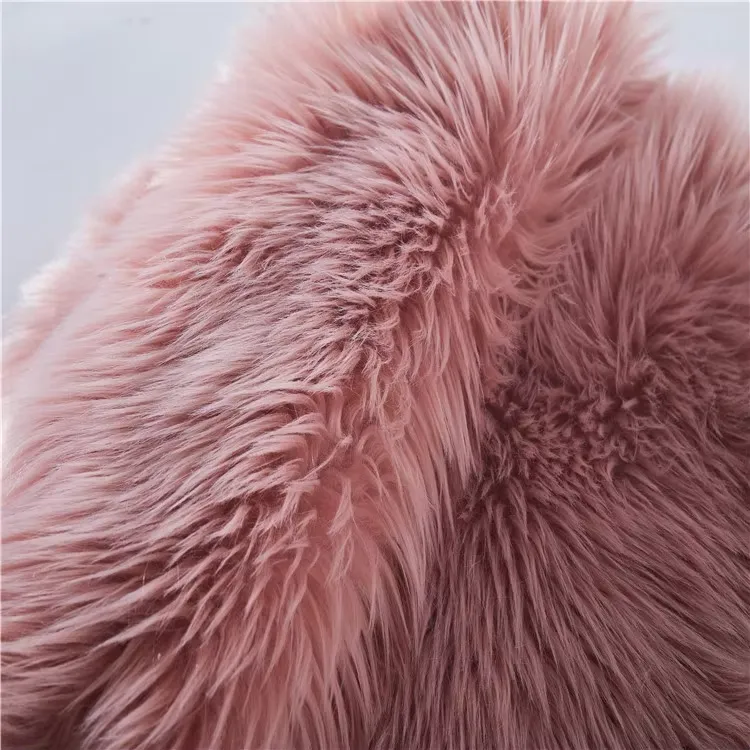
Beige faux fur rugs represent a significant segment within the broader decorative textile industry, offering an accessible and aesthetically versatile alternative to natural fur. These rugs are typically constructed from synthetic fibers designed to mimic the appearance and tactile sensation of animal fur, but without the ethical and sustainability concerns associated with genuine fur products. Their position in the supply chain extends from petrochemical feedstock production to final retail distribution, encompassing fiber extrusion, knitting or weaving, dyeing, and finishing processes. Core performance characteristics are centered around aesthetic appeal, softness, thermal insulation, and durability under residential usage conditions. The industry faces key challenges surrounding fiber degradation due to UV exposure, maintaining consistent pile height and density, and meeting increasingly stringent flammability regulations. This guide provides a comprehensive technical overview of beige faux fur rug construction, performance, and maintenance.
Material Science & Manufacturing
The foundational material for beige faux fur rugs is typically a polyester or acrylic fiber. Polyester (polyethylene terephthalate - PET) is favored for its high strength, resilience, and resistance to abrasion. Acrylic fibers, while offering a softer hand-feel closer to natural fur, are generally less durable and more susceptible to pilling. The manufacturing process begins with the polymerization of the respective monomer (ethylene glycol and terephthalic acid for polyester, acrylonitrile for acrylic). This polymer is then extruded through spinnerets to form continuous filaments. These filaments are subsequently drawn (stretched) to increase their tensile strength and oriented for enhanced uniformity. The core manufacturing method is typically knitted or woven construction. Knitting, such as warp knitting, is prevalent for producing a plush pile. Weaving, while less common, offers greater structural integrity. Following fabric formation, a crucial step is pile creation. This involves cutting the loops formed during knitting or weaving to create individual fibers, achieving the desired fur-like texture. Pile height is a critical parameter, controlled by the loop length during the knitting or weaving phase, and directly impacts the rug’s perceived quality and comfort. Dyeing is performed using various methods, including solution dyeing (where pigment is added to the polymer melt before extrusion) and piece dyeing (where the finished fabric is dyed). Finishing treatments include brushing to enhance pile loft, anti-static treatments to reduce static cling, and flame retardant applications to meet safety standards. Parameter control during extrusion, drawing, and dyeing is vital to ensure consistent color, texture, and dimensional stability.

Performance & Engineering
The performance of a beige faux fur rug is determined by its resistance to compression, abrasion, tensile forces, and environmental factors. Compressive strength, measured in Pascals (Pa), dictates the rug’s ability to retain its pile height and structural integrity under sustained pressure, such as foot traffic or furniture placement. Abrasion resistance, typically assessed using the Wyzenbeek test (number of rubs to failure), is crucial for longevity. The tensile strength of the fibers determines their resistance to tearing. Environmental resistance primarily concerns UV degradation and moisture absorption. Prolonged exposure to ultraviolet radiation can cause fading and embrittlement of the fibers, particularly acrylics. Moisture absorption, while generally low for polyester, can contribute to mildew growth if the rug remains damp. Compliance requirements center around flammability standards (discussed further in the Failure Mode section). Engineering considerations include the rug backing. Common backings are jute, polypropylene, or latex. The backing provides structural support, prevents slippage, and enhances dimensional stability. The selection of backing material impacts overall durability and cost. Force analysis during manufacturing considers the tension applied during knitting/weaving and the stresses induced during pile cutting to prevent fabric distortion. Proper lamination of the backing to the fabric is critical for preventing delamination and ensuring long-term performance.
Technical Specifications
| Parameter | Polyester Faux Fur | Acrylic Faux Fur | Typical Range |
|---|---|---|---|
| Pile Height (mm) | 20-60 | 25-50 | 20-80 |
| Fiber Denier (dtex) | 150-300 | 80-200 | 80-300 |
| Pile Weight (g/m²) | 500-1200 | 300-800 | 300-1500 |
| Tensile Strength (N/cm²) | 60-90 | 40-60 | 40-100 |
| Abrasion Resistance (Wyzenbeek Cycles) | >10,000 | >5,000 | >3,000 |
| UV Resistance (Grey Scale Rating) | 4-5 | 2-3 | 2-5 (1=poor, 5=excellent) |
Failure Mode & Maintenance
Beige faux fur rugs are susceptible to several failure modes. Matting and crushing of the pile are common due to sustained compression. This is particularly prevalent in high-traffic areas. Pilling, the formation of small fiber balls on the surface, is more pronounced in acrylic fibers and indicates fiber breakage. Fading and discoloration can occur due to prolonged UV exposure. Delamination, the separation of the backing from the pile fabric, is a critical failure mode that compromises structural integrity. Oxidation of the fibers, though slow, can lead to embrittlement over extended periods. Flammability is a significant safety concern. Most faux fur rugs are treated with flame retardants, but these treatments can degrade over time with washing and wear. Maintenance recommendations include regular vacuuming to remove loose dirt and debris. Spot cleaning with a mild detergent and water is advisable for spills. Avoid harsh chemicals and excessive wetting. Professional cleaning is recommended periodically. To mitigate UV damage, avoid direct sunlight exposure or use curtains and blinds. For delamination, repair options are limited, and replacement is often the most practical solution. Regular pile brushing can help restore loft and appearance.
Industry FAQ
Q: What is the primary difference in performance between polyester and acrylic faux fur regarding longevity?
A: Polyester faux fur generally exhibits superior abrasion resistance and tensile strength compared to acrylic. This translates to better long-term durability and resistance to pilling and tearing. Acrylic, while offering a softer feel initially, is more prone to wear and fiber breakdown, particularly under high-traffic conditions.
Q: How do flame retardant treatments affect the overall hand-feel and aesthetic of the rug?
A: Flame retardant treatments can sometimes slightly alter the hand-feel, making the fibers a bit stiffer. However, modern flame retardant formulations are designed to minimize this impact. Aesthetically, the treatment typically doesn’t cause visible changes, but very high concentrations could subtly affect the dye uptake and color consistency.
Q: What is the acceptable tolerance for pile height variation within a single rug?
A: A typical acceptable tolerance for pile height variation is +/- 10%. Variations exceeding this threshold are generally considered a quality defect, indicating inconsistencies in the knitting/weaving or pile cutting processes.
Q: How does the backing material impact the rug's suitability for use on different flooring types (e.g., hardwood, tile)?
A: Jute backings are breathable but can transfer color to certain flooring types. Polypropylene backings are colorfast and suitable for most surfaces but offer less grip. Latex backings provide good grip but may contain chemicals that could interact with sensitive flooring finishes. A rug pad is always recommended regardless of backing type for added cushioning and to prevent slippage.
Q: What is the recommended testing protocol to assess the UV resistance of the faux fur fibers?
A: The standard testing protocol for assessing UV resistance is ASTM D4459, Standard Test Method for Colorfastness to Light of Textile Fabrics. This test involves exposing the fabric to a controlled source of ultraviolet radiation for a specified period and then evaluating the color change using a grey scale rating.
Conclusion
Beige faux fur rugs offer a cost-effective and versatile alternative to natural fur, but their performance and longevity are heavily dependent on the choice of fiber (polyester generally outperforming acrylic), manufacturing quality, and proper maintenance. Understanding the material science, manufacturing processes, and potential failure modes is crucial for selecting a rug that meets specific performance requirements. The industry continues to innovate in areas such as UV stabilization, flame retardant technology, and backing materials to improve the durability and safety of these products.
Future development will likely focus on incorporating recycled materials into the fiber composition, reducing the environmental impact of faux fur rug production. Further research into more durable and effective flame retardant treatments is also needed. Standardization of testing protocols for abrasion resistance and pile recovery will further enhance quality control and consumer confidence. Ultimately, a comprehensive understanding of these technical aspects enables informed purchasing decisions and maximizes the lifespan of these decorative textiles.