

beige fur rug Performance Engineering
Introduction
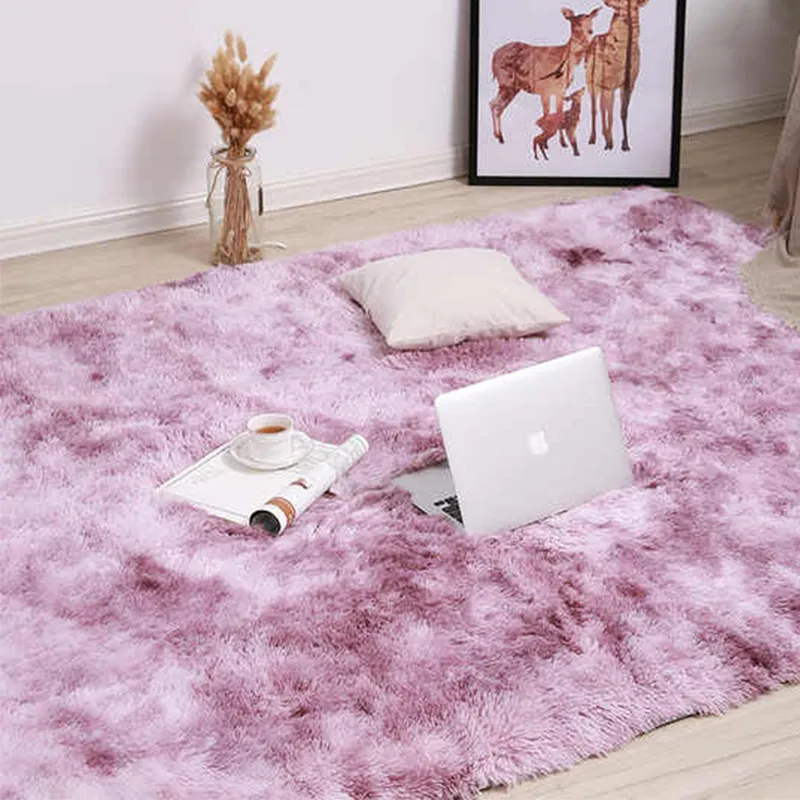
Beige fur rugs represent a significant segment within the broader decorative textile industry, functioning as both aesthetic enhancements and functional comfort elements. These rugs typically consist of a backing material supporting a pile constructed from synthetic fibers designed to mimic natural fur. Their technical position lies at the intersection of polymer science, textile engineering, and interior design standards. Core performance characteristics include pile density, fiber durability, colorfastness, and resistance to abrasion. The demand for these rugs is driven by consumer preferences for soft flooring options offering warmth and visual appeal, alongside relatively low maintenance requirements. Understanding the material composition, manufacturing processes, and performance limitations is crucial for ensuring product longevity and consumer satisfaction. A significant industry pain point revolves around achieving a luxurious feel with acceptable cost and durability, avoiding shedding and maintaining color integrity post-use.
Material Science & Manufacturing
The predominant raw material for beige fur rugs is polypropylene (PP), often in the form of heat-set, textured filaments. PP offers a balance of cost-effectiveness, resilience, and stain resistance. Polyester (PET) is also frequently used, especially for achieving a higher pile luster and improved crush resistance, though it generally exhibits lower resilience than PP. Backing materials commonly include jute, polypropylene, or a combination thereof, providing structural integrity. The manufacturing process typically involves extrusion of the polymer, followed by texturizing to create the desired fur-like appearance. This texturizing often uses air jet texturing or crimping. The textured filaments are then tufted or woven into the backing material. Tufting is more common for higher pile heights and greater density, while weaving is preferred for tighter constructions. Critical parameters in manufacturing include denier (fiber thickness), filament count, pile height, and stitch rate (for tufted rugs). The dyeing process usually involves solution dyeing, where pigment is added to the polymer melt before extrusion, ensuring superior colorfastness. Alternative dyeing methods include post-extrusion dyeing, which can yield a wider range of colors but potentially sacrifices some color durability. The thermal bonding of the backing layer must be carefully controlled to ensure adequate adhesion and prevent delamination. Controlling the humidity during the fiber processing is important for avoiding static electricity and ensuring the uniformity of the final product.
Performance & Engineering
The performance of a beige fur rug is heavily influenced by its pile construction and material composition. Force analysis reveals that the rug’s ability to withstand compression and retain its shape depends on the fiber’s resilience and the density of the pile. Higher pile densities generally translate to improved recovery from foot traffic. Environmental resistance is a key consideration, particularly regarding UV exposure and temperature fluctuations. Prolonged UV exposure can cause fading and degradation of the polypropylene fibers. Temperature changes can affect the dimensional stability of the rug, potentially leading to warping or shrinking. Compliance requirements, while not always stringent for decorative textiles, increasingly emphasize the absence of harmful chemicals, such as formaldehyde and phthalates, in compliance with regulations like REACH and Oeko-Tex Standard 100. The rug’s flammability is another engineering concern, typically addressed through the use of flame-retardant treatments, although these treatments can sometimes impact the rug’s softness and hand feel. Shear strength of the tufts and the tensile strength of the backing material determine the rug's ability to withstand pulling forces. The coefficient of friction between the rug and the floor surface impacts slip resistance, an important safety consideration. Further, the dimensional stability under varying humidity levels must be assessed, as significant expansion or contraction can lead to buckling or unevenness.
Technical Specifications
| Parameter | Typical Value (Low End) | Typical Value (High End) | Testing Standard |
|---|---|---|---|
| Pile Height (mm) | 20 | 50 | ASTM D3884 |
| Pile Density (oz/yd²) | 800 | 2000 | ASTM D3884 |
| Fiber Material | 100% Polypropylene | 100% Polyester | ASTM D2103 |
| Backing Material | Jute/PP Blend | 100% PP | Visual Inspection |
| Colorfastness to Light (Rating 1-5) | 4 | 6 | ISO 105-B02 |
| Tensile Strength (Backing, N/cm) | 50 | 150 | ISO 527-1 |
Failure Mode & Maintenance
Common failure modes in beige fur rugs include pile shedding, matting, discoloration, and delamination. Pile shedding occurs due to insufficient fiber anchoring during the tufting or weaving process, exacerbated by abrasion. Matting arises from the bending and compression of fibers, reducing their resilience and creating a flattened appearance. Discoloration can result from UV exposure, staining, or improper cleaning. Delamination, the separation of the pile from the backing, is often caused by inadequate adhesive bonding or moisture ingress. Oxidation of the polypropylene fibers can occur over extended periods, leading to brittleness and color changes. Failure analysis often reveals that a combination of factors contributes to these issues. Maintenance involves regular vacuuming to remove loose dirt and debris. Spot cleaning with a mild detergent and water is recommended for spills. Avoid harsh chemicals and abrasive cleaners, which can damage the fibers. Professional cleaning is advisable for deep cleaning and stain removal. Rotating the rug periodically can help distribute wear evenly and minimize localized matting. Proper storage in a dry, well-ventilated area is essential to prevent mold and mildew growth.
Industry FAQ
Q: What is the primary difference between polypropylene and polyester fur rugs in terms of durability?
A: Polypropylene generally exhibits higher resilience and better abrasion resistance compared to polyester. While polyester offers a softer feel and superior luster, it’s more prone to compression set and fiber breakdown under heavy foot traffic. For high-traffic areas, a polypropylene-based rug is typically the more durable choice.
Q: How can we assess the colorfastness of a beige fur rug before purchase?
A: Colorfastness can be evaluated based on the testing standards used by the manufacturer, specifically ISO 105-B02. A rating of 6 represents excellent colorfastness, while a rating of 4 is considered acceptable. Look for rugs that have undergone independent testing and certification.
Q: What are the implications of using a jute backing versus a polypropylene backing?
A: Jute backings are natural, biodegradable, and offer good dimensional stability. However, they are susceptible to moisture damage and mold growth. Polypropylene backings are more resistant to moisture and offer improved durability, but they are not biodegradable. The choice depends on the intended application and environmental conditions.
Q: How does pile height affect the comfort and maintenance requirements of the rug?
A: Higher pile heights generally provide greater comfort and a more luxurious feel, but they also tend to trap more dirt and require more frequent vacuuming. Lower pile heights are easier to clean and maintain, but they may not offer the same level of cushioning.
Q: What is the role of heat-setting in the manufacturing of polypropylene fur rugs?
A: Heat-setting is a crucial process that stabilizes the polypropylene fibers, imparting improved resilience, shape retention, and wrinkle resistance. It involves heating the fibers to a specific temperature and then cooling them under tension, effectively "setting" their structure.
Conclusion
Beige fur rugs, while seemingly simple aesthetic components, represent a complex interplay of material science, manufacturing precision, and performance engineering. The selection of appropriate polymer materials, optimized fiber texturizing, and robust backing construction are paramount to achieving a durable, comfortable, and aesthetically pleasing product. Understanding the potential failure modes – shedding, matting, and delamination – is critical for both manufacturers and consumers, enabling proactive maintenance strategies and informed purchasing decisions.
Future advancements in this sector are likely to focus on the development of sustainable and bio-based fiber alternatives, as well as improved dyeing technologies that minimize environmental impact. Further research into fiber entanglement techniques could enhance pile density and reduce shedding. The integration of smart textiles and antimicrobial treatments could also expand the functionality and hygiene of these rugs, catering to evolving consumer demands and addressing emerging market needs.