

black faux fur rug 8x10 Performance Analysis
Introduction
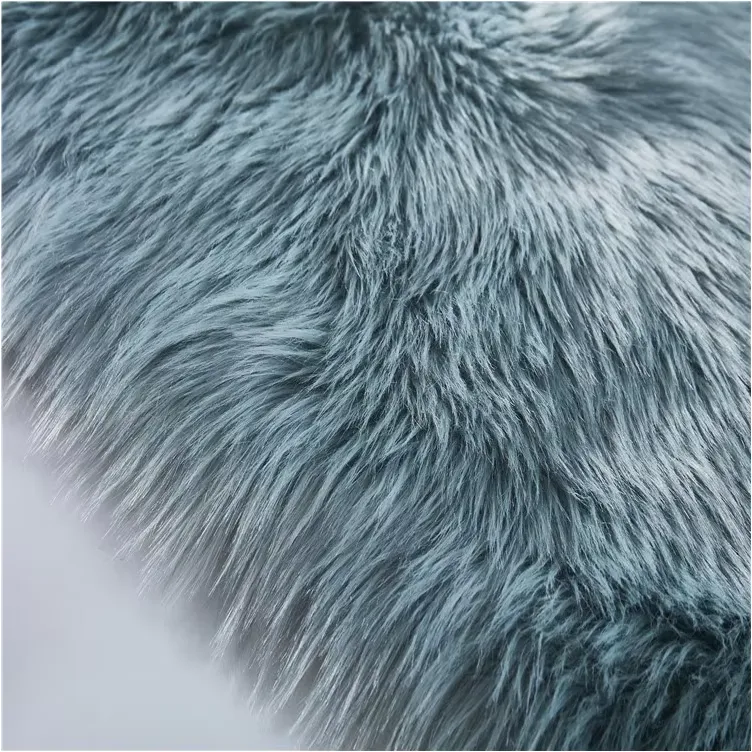
The black faux fur rug, specifically the 8x10 size, represents a significant segment within the broader decorative textiles market. It functions as a floor covering primarily intended to enhance aesthetic appeal and provide a degree of tactile comfort. Positioned within the supply chain, it bridges the gap between raw material production (typically petrochemicals for synthetic fibers) and final consumer retail. Core performance characteristics center around mimicking the look and feel of genuine fur while offering advantages in cost, hypoallergenic properties, and ease of maintenance. This technical guide will provide an in-depth analysis of the materials, manufacturing processes, performance metrics, potential failure modes, and relevant standards governing these rugs. The increasing demand for ethical and affordable alternatives to real fur has fueled growth in this product category, prompting a need for rigorous quality control and performance understanding.
Material Science & Manufacturing
The primary material component of a black faux fur rug is typically 100% polyester, though acrylic variations exist. Polyester is a thermoplastic polymer derived from petroleum, notable for its durability, resistance to abrasion, and relatively low cost. The fibers themselves are manufactured through melt spinning, where molten polyester is extruded through spinnerets to form filaments. These filaments are then drawn and textured to create the desired pile height and density. The black coloration is achieved through the incorporation of carbon black pigments during the polymer manufacturing stage, ensuring colorfastness. The backing of the rug is commonly constructed from polypropylene or jute. Polypropylene provides a robust, moisture-resistant base, while jute, a natural fiber, offers a more sustainable, albeit less durable, alternative. The manufacturing process involves tufting the polyester fibers into the backing material. This is followed by latex coating to secure the fibers and provide structural integrity. Finally, a secondary backing layer (often felt or canvas) is applied for enhanced durability and improved slip resistance. Key parameter control during manufacturing focuses on fiber denier (fineness), pile height consistency, latex coating weight, and backing adhesion strength. Variations in these parameters directly impact the rug’s softness, durability, and overall performance.

Performance & Engineering
Performance of a black faux fur rug is evaluated through several key metrics. Compressive strength, measured in Pascals (Pa), determines the rug’s ability to withstand foot traffic and maintain its pile height. Tensile strength, assessed in Newtons per meter (N/m), dictates its resistance to tearing and delamination. Abrasion resistance, quantified using the Taber Abrasion Test (weight loss in grams), indicates its durability under repeated friction. Flammability is a critical safety consideration, and performance is typically evaluated according to standards like ASTM D2859, focusing on flame spread and smoke development. Environmental resistance, specifically concerning UV degradation and moisture absorption, impacts long-term performance. Polyester, while generally stable, can experience color fading and fiber weakening upon prolonged exposure to sunlight. Moisture absorption can lead to mold and mildew growth, particularly in humid environments. Engineering considerations involve optimizing fiber density and pile height to balance softness, durability, and cost. The latex coating formulation and application technique are crucial for ensuring fiber lock and preventing shedding. Compliance requirements often include adherence to California Proposition 65 regarding lead content and other potentially harmful substances. Furthermore, VOC (Volatile Organic Compound) emissions from the latex and backing materials are increasingly scrutinized to meet indoor air quality standards.
Technical Specifications
| Parameter | Unit | Typical Value (8x10 Black Faux Fur Rug) | Testing Standard |
|---|---|---|---|
| Pile Height | inches | 1.5 - 2.0 | ASTM D3884 |
| Fiber Density | oz/sq yd | 800 - 1200 | Internal QC |
| Tensile Strength (Warp/Weft) | lbs | 50 - 75 / 40 - 60 | ASTM D5035 |
| Abrasion Resistance (Taber) | cycles to 50% weight loss | 200 - 300 | ASTM D3886 |
| Flammability (Flame Spread) | inches | < 20 | ASTM D2859 |
| Water Absorption | % weight gain | < 1.0 | ASTM D2047 |
Failure Mode & Maintenance
Common failure modes for black faux fur rugs include fiber shedding, matting (loss of pile height), delamination of the backing, and color fading. Fiber shedding typically occurs due to insufficient fiber lock during manufacturing or excessive wear and tear. Matting results from the crushing of fibers under sustained pressure, diminishing the rug’s plushness. Delamination is often caused by inadequate adhesion between the latex coating and the backing material, or deterioration of the latex itself. Color fading is primarily attributed to prolonged UV exposure. Oxidation of the polyester fibers can also contribute to color changes over time. Maintenance recommendations include regular vacuuming (using a suction-only attachment to avoid damaging the fibers), spot cleaning with mild detergent and water, and avoiding prolonged direct sunlight. Professional cleaning is recommended annually. To mitigate delamination, avoid placing heavy furniture directly on the rug for extended periods. For significant shedding, a rug pad can provide additional support and reduce fiber movement. In cases of severe damage, such as large tears or extensive delamination, repair may not be feasible, and replacement is generally recommended. Prevention of these failure modes hinges on stringent quality control during manufacturing and adherence to proper maintenance practices by the end user.
Industry FAQ
Q: What is the difference between polyester and acrylic faux fur, and how does this impact performance?
A: Polyester generally exhibits superior abrasion resistance and durability compared to acrylic. Acrylic fibers tend to pill more readily and are more susceptible to damage from sunlight and cleaning agents. Polyester also retains its shape better and is less prone to stretching or distortion. Therefore, polyester is generally preferred for high-traffic areas, while acrylic might be suitable for decorative purposes where durability is less critical.
Q: How does the backing material affect the rug's lifespan and slip resistance?
A: The backing provides essential structural support and contributes significantly to the rug’s lifespan. Polypropylene backings offer excellent moisture resistance and durability, making them suitable for areas prone to spills or humidity. Jute backings, while more sustainable, are less durable and can be susceptible to mold growth in damp conditions. The type of secondary backing also impacts slip resistance – a felt or canvas backing provides greater friction and reduces the risk of the rug sliding.
Q: What VOC emissions standards should I be aware of when sourcing these rugs?
A: Several VOC emission standards are relevant, including CARB Section 01867 (California Air Resources Board) and Greenguard Gold certification. These standards limit the allowable levels of formaldehyde, VOCs, and other potentially harmful chemicals emitted from the rug materials. Compliance with these standards ensures better indoor air quality and reduces potential health risks.
Q: How can I test the colorfastness of the black dye to ensure it won't bleed or fade over time?
A: Colorfastness can be assessed using the Crockmeter test (ASTM D4150), which measures the transfer of dye from the rug surface to a dry or wet white cloth under controlled rubbing. Additionally, exposure to simulated sunlight using a Xenon arc lamp (ASTM D4459) can evaluate the rug’s resistance to fading. Higher ratings on these tests indicate better colorfastness.
Q: What is the typical lifespan of a well-maintained 8x10 black faux fur rug?
A: A well-maintained 8x10 black faux fur rug, made from quality polyester with a durable backing, can reasonably be expected to last 5-7 years with moderate foot traffic. However, factors like cleaning frequency, exposure to sunlight, and the overall quality of construction can significantly influence its lifespan. Proper care and preventative measures, such as using a rug pad and avoiding direct sunlight, can maximize longevity.
Conclusion
The black faux fur rug, 8x10 in size, is a complex product underpinned by materials science and meticulous manufacturing processes. Its performance characteristics—durability, aesthetic appeal, and cost-effectiveness—are determined by the interplay of fiber properties, backing materials, and latex adhesion. Understanding these factors is crucial for ensuring product quality and customer satisfaction. Ongoing advancements in polymer technology and manufacturing techniques are likely to further enhance the performance and sustainability of these rugs.
Future developments may include the incorporation of recycled polyester fibers, improved UV stabilizers to enhance colorfastness, and the development of more eco-friendly latex formulations. Furthermore, increasing consumer demand for hypoallergenic and easy-to-clean options will drive innovation in fiber treatments and backing materials. Continued adherence to rigorous testing standards and quality control protocols will remain paramount to maintaining the integrity and longevity of this widely used decorative textile.