

extra large faux fur rug Performance Analysis
Introduction
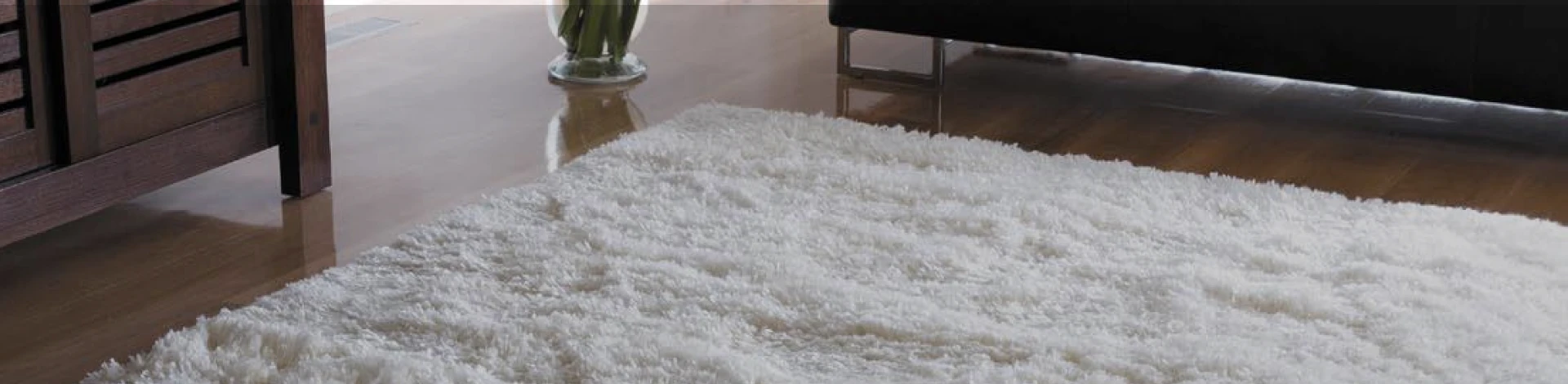
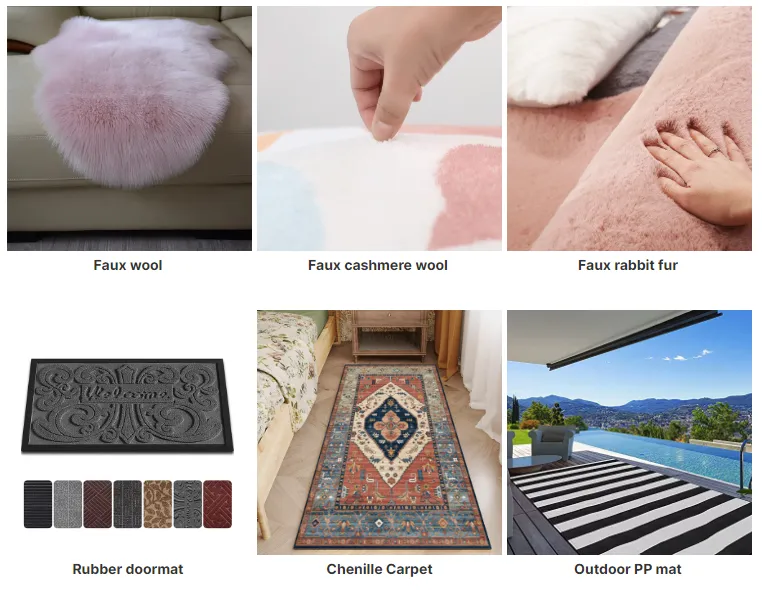
Extra large faux fur rugs represent a significant segment within the broader decorative textiles market, positioned as a luxury comfort item for residential and commercial applications. Unlike traditional sheepskin or animal hide rugs, these are manufactured from synthetic fibers, primarily acrylic and polyester blends, designed to mimic the appearance and texture of natural fur. Their technical position within the supply chain involves raw polymer production, fiber extrusion, knitting or weaving, dyeing, and finishing processes. Core performance characteristics center around pile height, density, fiber composition impacting softness and durability, and resistance to shedding and crushing. The industry currently faces challenges related to sustainable sourcing of materials, reducing microplastic shedding during use and laundering, and improving the longevity and aesthetic retention of the product under varying usage conditions. This guide provides a comprehensive technical overview of extra large faux fur rugs, addressing material science, manufacturing processes, performance characteristics, failure modes, and relevant industry standards.
Material Science & Manufacturing
The foundation of extra large faux fur rugs lies in the properties of synthetic polymers. Predominantly, acrylic and polyester fibers are employed. Acrylic offers a softer, more voluminous texture, closely resembling natural fur, but exhibits lower abrasion resistance and a tendency to pill. Polyester provides superior durability, resilience, and resistance to crushing, making it suitable for high-traffic areas. Manufacturing begins with polymer synthesis – acrylic through acrylonitrile polymerization, and polyester through esterification of ethylene glycol and terephthalic acid. These polymers are then extruded into individual filaments. Fiber denier, which measures the linear mass density of the fiber, is a critical parameter; lower denier fibers contribute to a softer hand feel, while higher denier fibers enhance durability. The rug’s pile is created through either knitting or weaving. Knitting produces a more flexible and plush pile, while weaving offers greater structural integrity and pattern definition. Following pile formation, dyeing is performed using acrylic or polyester-specific dyes. Critical parameters include dye concentration, temperature, and duration to ensure consistent color penetration and fixation. Finishing processes include brushing, shearing to achieve desired pile height and density, and applying anti-static or stain-resistant treatments. The backing material, typically jute or polypropylene, is laminated to the pile using a latex adhesive. Controlling the adhesive's viscosity and application rate is crucial to prevent delamination and ensure dimensional stability.
Performance & Engineering
The performance of an extra large faux fur rug is governed by several engineering principles. Load-bearing capacity and crush resistance are paramount, particularly in high-traffic areas. Polyester fibers, with their higher tensile strength and modulus of elasticity, perform better in these regards. Pile density, measured in ounces per square yard (oz/yd²), directly correlates with crush recovery – higher density rugs exhibit superior resilience. Environmental resistance is another key consideration. Acrylic fibers are susceptible to UV degradation, leading to fading and embrittlement upon prolonged exposure to sunlight. Polyester exhibits better UV stability but can still undergo color change over time. Moisture resistance is generally good for both fiber types, but prolonged exposure to high humidity can promote mildew growth on the backing material. Fire resistance is a critical safety aspect. Faux fur rugs are typically treated with flame retardants to meet flammability standards (see section 7). Force analysis – specifically, assessing the shear force required to pull fibers from the backing – determines the rug's shedding propensity. Furthermore, the rug's thermal insulation properties are dictated by the pile height and density, with thicker piles providing greater warmth. Dimensional stability, preventing shrinkage or stretching, relies on the backing material's properties and the adhesive bond strength.
Technical Specifications
| Parameter | Unit | Acrylic Fiber | Polyester Fiber |
|---|---|---|---|
| Pile Height | mm | 25-60 | 20-50 |
| Pile Density | oz/yd² | 800-1500 | 1000-2000 |
| Fiber Denier | dtex | 2-8 | 3-12 |
| Tensile Strength | cN/tex | 40-60 | 60-80 |
| Elongation at Break | % | 20-30 | 15-25 |
| UV Resistance | Rating (1-5, 5=Excellent) | 2 | 3 |
Failure Mode & Maintenance
Extra large faux fur rugs are susceptible to several failure modes. Shedding is a common issue, particularly during initial use, resulting from loose fibers not securely anchored to the backing. This can be mitigated by employing a tighter knit or weave structure and using a high-quality adhesive. Crushing, or pile compression, occurs under sustained pressure, leading to a flattened appearance. Polyester fibers exhibit better crush recovery than acrylic. Pilling, the formation of small balls of fiber on the surface, is prevalent in acrylic rugs due to its lower abrasion resistance. Delamination, the separation of the pile from the backing, is a critical failure mode, often caused by adhesive degradation or insufficient adhesive application. UV degradation, as previously mentioned, causes fading and embrittlement. Oxidation can also lead to fiber discoloration and weakening. Maintenance recommendations include regular vacuuming with a brush attachment to remove loose fibers and debris. Spot cleaning with a mild detergent and water is recommended for spills. Avoid harsh chemicals or abrasive cleaners. Professional cleaning is advised for deep cleaning and stain removal. Periodic rotation of the rug can help distribute wear and prevent localized crushing. Storing the rug in a cool, dry place, away from direct sunlight, will prolong its lifespan.
Industry FAQ
Q: What is the primary difference in performance between acrylic and polyester faux fur, and how does this affect long-term usability?
A: Polyester generally exhibits superior durability, resilience, and crush recovery compared to acrylic. While acrylic offers a softer feel initially, it's more prone to shedding, pilling, and UV degradation. For high-traffic areas or prolonged use, polyester provides a longer-lasting solution, maintaining its aesthetic appeal and structural integrity for a more extended period. The choice depends on the priority – immediate softness versus long-term performance.
Q: How can manufacturers minimize microplastic shedding from faux fur rugs, a growing environmental concern?
A: Several strategies can be employed. Utilizing higher-denier fibers reduces the surface area available for shedding. Tightly constructed knit or weave structures minimize fiber looseness. Applying a fiber-locking coating can encapsulate fibers. Investigating biodegradable polymer alternatives, although currently limited in performance, represents a long-term solution. Furthermore, educating consumers on proper washing techniques (using garment bags and gentle cycles) can reduce shedding during laundering.
Q: What testing methods are used to assess the flammability of faux fur rugs, and what are the typical regulatory requirements?
A: The primary test is the Federal Flammability Standard FF 1-70 (or equivalent international standards). This assesses the rate of flame spread and the heat release rate. Rugs are typically treated with flame retardants to pass these standards. Specific requirements vary by region and intended application (residential vs. commercial). Testing often involves exposing a small area of the rug to a flame and measuring the time it takes for the flame to spread.
Q: How does the backing material influence the overall performance and longevity of a faux fur rug?
A: The backing material provides structural support and prevents the pile from unraveling. Jute is a natural, breathable option but is susceptible to moisture damage and mildew. Polypropylene is more durable and moisture-resistant but offers less breathability. The adhesive bond strength between the pile and the backing is critical. A weak bond leads to delamination. The backing's dimensional stability also influences the rug's overall shape retention.
Q: What are the key considerations when selecting a faux fur rug for a room with high foot traffic versus a low-traffic area like a bedroom?
A: For high-traffic areas, prioritize rugs made with polyester fibers due to their superior durability and crush recovery. Higher pile density (above 1500 oz/yd²) is also recommended to withstand compression. A tightly woven backing provides enhanced structural integrity. In low-traffic areas like bedrooms, acrylic rugs can be considered for their softer feel, but proper maintenance is still crucial to prevent shedding and pilling.
Conclusion
Extra large faux fur rugs represent a sophisticated balance between aesthetic appeal and engineered performance. The selection of appropriate materials – primarily acrylic and polyester – and precise control of manufacturing parameters are critical to achieving desired characteristics such as softness, durability, and resilience. Understanding potential failure modes, including shedding, crushing, delamination, and UV degradation, is essential for selecting a rug suited to its intended application and implementing appropriate maintenance practices.
Future innovations in faux fur rug technology are likely to focus on developing more sustainable materials, reducing microplastic shedding, and enhancing aesthetic retention. Continued advancements in fiber extrusion, knitting/weaving techniques, and adhesive technology will further improve the performance and longevity of these increasingly popular decorative textiles, cementing their position as a versatile and comfortable flooring solution.