

faux fur accent rug Performance Analysis
Introduction
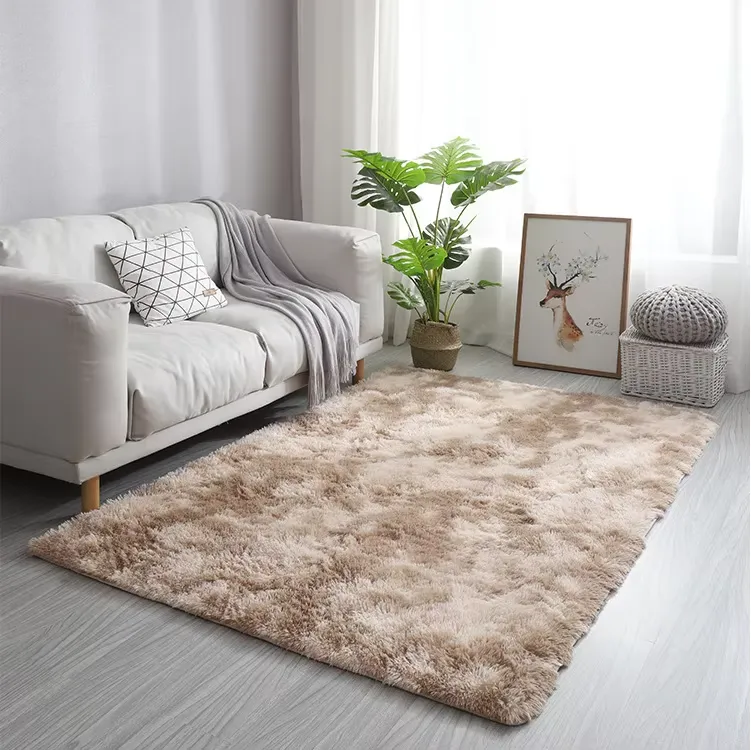
Faux fur accent rugs represent a segment within the broader textile floor covering industry, positioned as a decorative and comfort-enhancing element within interior spaces. Unlike traditional rugs constructed from natural fibers like wool or cotton, these rugs utilize synthetic materials designed to mimic the appearance and feel of animal fur. Their primary function is aesthetic and tactile, offering a plush surface for localized comfort and visual appeal. Key performance characteristics include pile density, fiber composition, and backing material, directly impacting durability, cleaning requirements, and perceived luxury. The industry faces growing demand for ethically sourced and sustainable alternatives to genuine fur, driving innovation in synthetic fiber technologies and manufacturing processes. A critical pain point for manufacturers is balancing cost-effectiveness with the need to replicate the nuanced texture and visual depth of natural fur, alongside ensuring acceptable levels of abrasion resistance and colorfastness.
Material Science & Manufacturing
The core material in faux fur accent rugs is typically a synthetic polymer, most commonly polypropylene (PP) or modacrylic fibers. Polypropylene is favored for its cost-effectiveness, inherent stain resistance, and ability to be easily extruded into fine fibers. Modacrylic, while more expensive, offers a softer hand-feel and improved flame retardancy. The manufacturing process begins with polymer synthesis. Polypropylene is produced via Ziegler-Natta polymerization, controlling the molecular weight distribution to achieve desired fiber properties. Modacrylic fibers are produced through copolymerization of acrylonitrile with other monomers. These polymers are then melt-extruded through spinnerets to create continuous filaments. These filaments undergo crimping, a crucial step to impart bulk and texture mimicking natural fur. Crimping is often achieved via mechanical methods (stuffer box crimping) or through the introduction of bicomponent fiber structures (two polymers with different shrinkage rates). The crimped fibers are then woven or tufted into a backing material, typically jute, polypropylene, or latex. Tufting involves inserting loops of fiber into the backing, followed by shearing to create a cut-pile surface. Density is a critical parameter, measured in ounces per square yard (oz/yd²), directly influencing the rug’s perceived quality and durability. Dyeing occurs either during fiber extrusion (solution dyeing) or after tufting (piece dyeing), with solution dyeing offering superior colorfastness. Parameter control includes maintaining consistent extrusion temperatures, precise crimping ratios, and controlled dye bath conditions.
Performance & Engineering
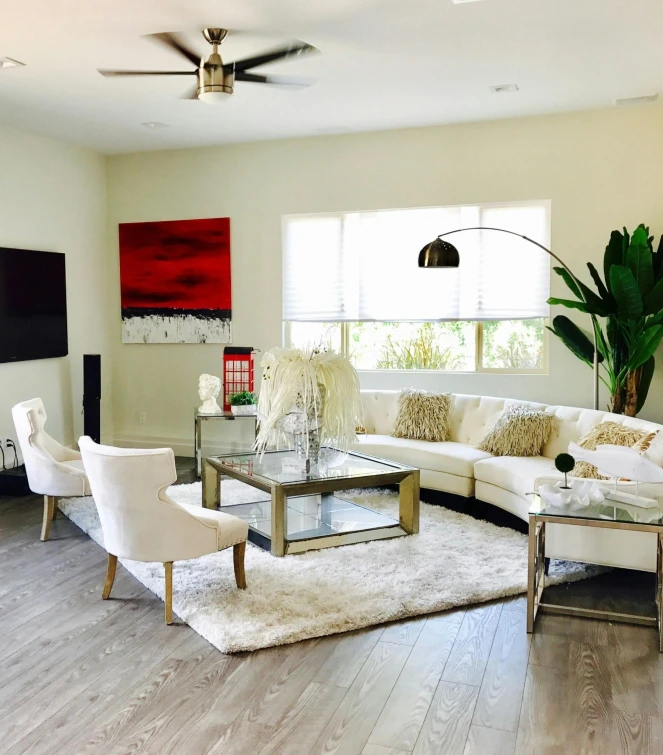
The performance of a faux fur accent rug is largely dictated by its ability to withstand compressive forces, shear stresses, and environmental factors. Pile compression resilience is key to maintaining aesthetic appeal and comfort over time. This is assessed through a pile crush test (ASTM D5965), measuring the percentage of pile recovery after a standardized compressive load. Shear resistance, critical for preventing fiber pull-out and matting, is evaluated using a tuft bind test (ASTM D6381). Environmental resistance includes assessing colorfastness to light (ASTM D1654), resistance to abrasion (ASTM D3886 – Taber abrasion test), and resistance to common household chemicals (cleaning agents, spills). Flame retardancy is a growing concern, and rugs are often treated with flame-retardant chemicals to meet specific standards (California Technical Bulletin 117). Engineering considerations include backing selection to provide dimensional stability and prevent delamination. Latex backings offer good adhesion but can degrade over time. Polypropylene backings are more durable but may require an adhesive layer. Anti-slip backing materials (rubber or TPR) are often incorporated to enhance safety and prevent movement. Compliance with VOC emission standards (California Section 01350) is also crucial, as some adhesives and treatments can release volatile organic compounds.
Technical Specifications
| Parameter | Unit | Typical Range (Low-End Rug) | Typical Range (High-End Rug) |
|---|---|---|---|
| Pile Height | mm | 20-30 | 40-60 |
| Pile Weight | oz/yd² | 400-600 | 800-1200 |
| Fiber Composition | - | 100% Polypropylene | 80% Modacrylic / 20% Polypropylene |
| Backing Material | - | Jute | Polypropylene with Latex Adhesive |
| Abrasion Resistance (Taber) | Cycles to Wear | 100-200 | 300-500 |
| Colorfastness to Light | Rating (1-5) | 3-4 | 4-5 |
Failure Mode & Maintenance
Faux fur accent rugs are susceptible to several failure modes. Pile shedding is a common issue, particularly with lower-quality rugs, resulting from fiber breakage and insufficient anchorage in the backing. Matting occurs when fibers become compressed and lose their original loft, reducing the rug’s aesthetic appeal and comfort. This is exacerbated by high traffic areas. Delamination, the separation of the pile from the backing, is a more severe failure, often caused by adhesive failure or deterioration of the backing material. Fiber degradation can occur due to prolonged exposure to UV radiation, leading to discoloration and brittleness. Staining is another common problem, particularly from oil-based substances. Maintenance is crucial to extending the lifespan of the rug. Regular vacuuming (at least twice weekly) is essential to remove dust and debris. Spot cleaning with a mild detergent and water is recommended for spills. Avoid harsh chemicals or abrasive cleaners. Professional cleaning is recommended annually, or more frequently for high-traffic areas. To mitigate failure, avoid direct sunlight exposure and rotate the rug periodically to distribute wear evenly. Addressing stains promptly prevents permanent discoloration. Storage in a cool, dry place is vital when not in use.
Industry FAQ
Q: What differentiates a high-quality faux fur rug from a lower-priced option in terms of material composition?
A: Higher-quality rugs typically employ modacrylic fibers, or a blend of modacrylic and polypropylene, as opposed to 100% polypropylene. Modacrylic provides a significantly softer hand-feel and improved resilience. The fiber denier (fineness) is also lower in high-end rugs, resulting in a more refined texture. Furthermore, higher-quality rugs often utilize more sophisticated crimping techniques to better mimic the appearance of natural fur.
Q: How does the backing material impact the rug’s overall durability and lifespan?
A: The backing material is critical. Jute backings are less durable and prone to deterioration, especially in humid environments. Polypropylene backings offer superior durability and resistance to moisture. The type of adhesive used to bond the pile to the backing is equally important; latex adhesives can degrade over time, while more advanced adhesives offer better long-term adhesion.
Q: What are the key considerations regarding flame retardancy for faux fur rugs intended for residential use?
A: Rugs sold in the US should meet the requirements of California Technical Bulletin 117, which specifies flammability testing procedures. Rugs may be treated with flame-retardant chemicals, but it’s important to understand the potential environmental and health implications of these treatments. Look for rugs that utilize inherently flame-retardant fibers like modacrylic.
Q: How does the pile density (oz/yd²) correlate with the rug’s perceived luxury and performance?
A: Higher pile density generally equates to a more luxurious feel and improved performance. A denser pile provides greater cushioning and resilience, making the rug more comfortable underfoot. It also contributes to a more visually appealing appearance, mimicking the fullness of natural fur. However, extremely high pile densities can also make cleaning more challenging.
Q: What is the best method for cleaning faux fur rugs to prevent damage and maintain their appearance?
A: Regular vacuuming is paramount. For spot cleaning, use a mild detergent diluted in cool water. Avoid harsh chemicals, bleach, or abrasive cleaners. Gently blot stains rather than rubbing. Professional cleaning is recommended annually to deep clean the fibers and restore their loft. Avoid excessive moisture, as this can lead to mildew growth and backing deterioration.
Conclusion
Faux fur accent rugs represent a sophisticated intersection of textile engineering and interior design. Their performance characteristics are intricately linked to material selection, manufacturing processes, and adherence to industry standards. Understanding the nuances of fiber composition (polypropylene vs. modacrylic), pile construction techniques, and backing material selection is crucial for procuring a rug that balances aesthetic appeal, durability, and safety. The continued development of more sustainable and ethically sourced synthetic fibers will be a key driver of innovation in this segment.
Moving forward, manufacturers are challenged to refine their processes to achieve a more realistic imitation of natural fur textures while enhancing the rugs’ resistance to wear, staining, and environmental degradation. Increased scrutiny regarding VOC emissions and flame retardancy will also shape future product development. Ultimately, the success of faux fur accent rugs hinges on providing consumers with a luxurious and comfortable alternative to genuine fur that meets stringent performance and safety requirements.