

faux fur area rug 9x12 Performance Analysis
Introduction
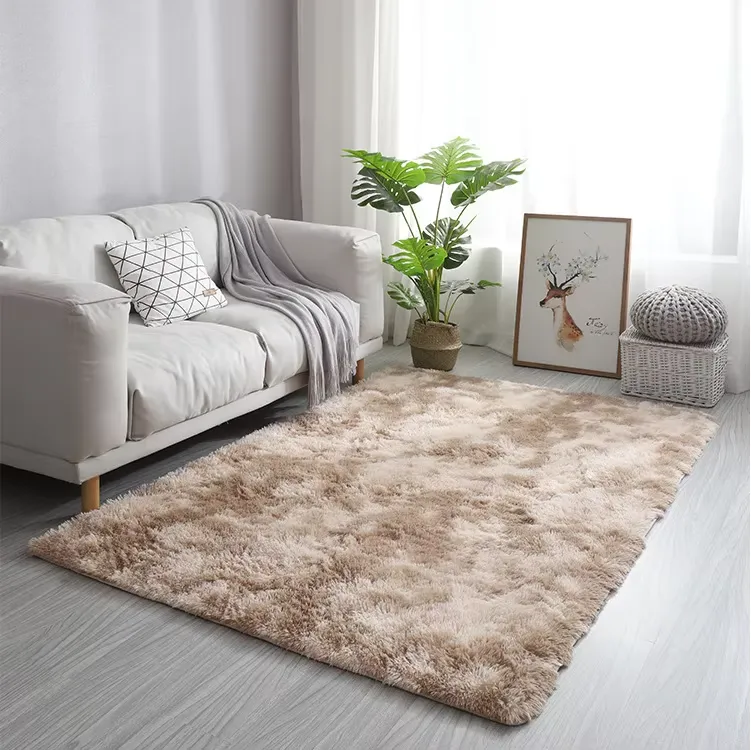
Faux fur area rugs, specifically the 9x12 size, represent a significant segment within the broader decorative floor covering market. Unlike traditional wool or animal hide rugs, these products utilize synthetic fibers designed to mimic the appearance and tactile qualities of natural fur. Their technical position within the industry chain lies between raw polymer production (typically polypropylene, acrylic, or polyester) and the retail home furnishings sector. Core performance characteristics center around aesthetic appeal, softness underfoot, thermal insulation, and ease of maintenance. The industry faces challenges in balancing these properties with durability, cost-effectiveness, and increasingly, environmental sustainability. The 9x12 dimension is particularly popular for defining living room spaces and bedroom areas, demanding consistent manufacturing quality and dimensional accuracy to meet consumer expectations. The increasing demand for pet-friendly and hypoallergenic options further elevates the significance of careful fiber selection and construction techniques.
Material Science & Manufacturing
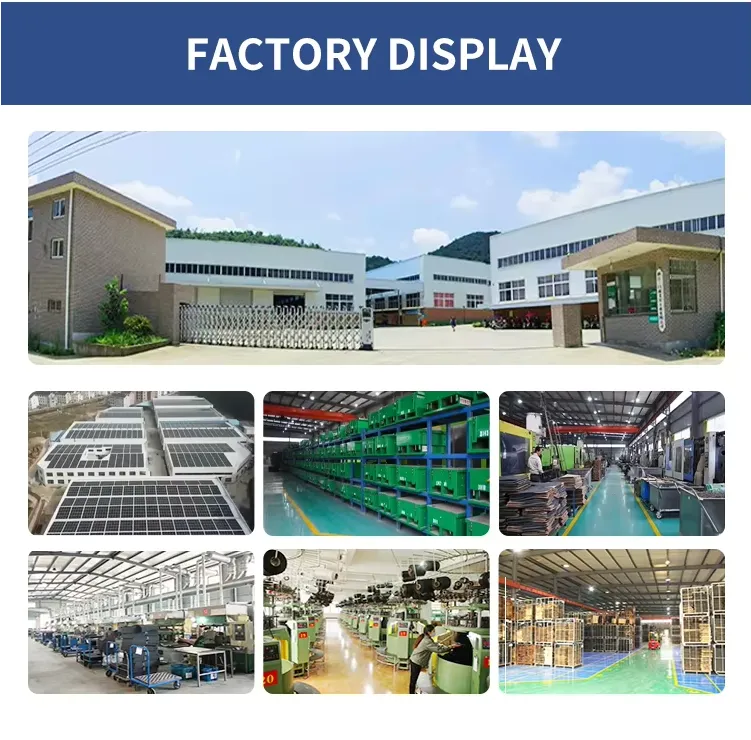
The primary raw materials for faux fur area rugs are synthetic polymers – predominantly polypropylene (PP), acrylic, and polyester. Polypropylene offers high tensile strength and excellent stain resistance but can be susceptible to UV degradation. Acrylic fibers provide a softer, more wool-like feel and better dyeability, though they generally exhibit lower resilience and abrasion resistance than polypropylene. Polyester offers a balance of properties, including good color retention, durability, and affordability. The manufacturing process begins with polymer extrusion, forming continuous filaments. These filaments are then processed through a variety of techniques to create the ‘fur’ effect. This commonly involves crimping, cutting, and tufting. Tufting involves inserting these fibers into a primary backing material, typically polypropylene or jute. The density of tufting, measured in ‘lines per inch,’ directly influences the pile height and overall density of the rug. A secondary backing, often latex or PVC, is applied to secure the tufts and provide structural stability. Critical parameters during manufacturing include fiber denier (fiber thickness, measured in grams per 9000 meters), pile height (ranging from 1 inch to 3+ inches), and backing weight (grams per square meter). Maintaining consistent tension throughout the tufting process is crucial to prevent pile shedding and distortion. Dyeing typically occurs before tufting, utilizing solution dyeing for superior colorfastness or yarn dyeing for greater design flexibility. Quality control focuses on pile uniformity, backing adhesion, and dimensional stability, testing for shrinkage and distortion after cleaning.
Performance & Engineering
Performance evaluation of faux fur area rugs centers on several key engineering considerations. Compressive strength, related to pile density and backing stiffness, dictates the rug's ability to withstand foot traffic and maintain its shape. Abrasion resistance, primarily determined by fiber type (polypropylene generally outperforms acrylic in this metric), assesses the rug’s longevity. Static load testing evaluates the long-term deformation under sustained weight, crucial for areas with heavy furniture. Flammability is a critical safety concern, with rugs typically undergoing testing to meet standards like California Proposition 65 and similar international regulations. Environmental resistance necessitates consideration of moisture vapor transmission rate (MVTR), particularly in high-humidity environments, to prevent mold and mildew growth. Chemical resistance, assessed through exposure to common household cleaners and spills, determines the ease of cleaning and maintenance. Furthermore, the rug’s thermal resistance (R-value) contributes to its insulating properties, impacting comfort and energy efficiency. Force analysis during manufacturing focuses on the tensile strength of the backing materials and the shear strength of the tuft lock, ensuring the fibers remain securely anchored. Compliance requirements include adherence to VOC emission standards (volatile organic compounds) to minimize indoor air pollution. The engineering of the backing also plays a vital role in preventing delamination and ensuring the rug remains intact over its lifespan.
Technical Specifications
| Parameter | Polypropylene | Acrylic | Polyester | Typical 9x12 Rug Value |
|---|---|---|---|---|
| Fiber Denier (grams/9000m) | 20-40 | 30-60 | 25-50 | 30-40 |
| Pile Height (inches) | 0.5 - 2.0 | 0.75 - 3.0 | 0.5 - 2.5 | 1.5 - 2.0 |
| Tuft Density (lines/inch) | 6-12 | 8-14 | 7-13 | 9-12 |
| Backing Weight (gsm) | 150-300 | 180-350 | 160-320 | 250-300 |
| Tensile Strength (backing, N/mm²) | 8-12 | 10-15 | 9-14 | 11-14 |
| Water Absorption (%) | 0.1-0.5 | 1-3 | 0.5-1.5 | 0.3-0.8 |
Failure Mode & Maintenance
Common failure modes in faux fur area rugs include fiber shedding, pile crush, delamination of the backing, and discoloration. Fiber shedding, especially in lower-quality rugs, occurs due to inadequate tuft lock and frictional wear. Pile crush results from prolonged compression, flattening the fibers and reducing their resilience. Delamination arises from a weak bond between the primary backing and the secondary backing, often exacerbated by moisture exposure. Discoloration can occur due to UV exposure (particularly with polypropylene) or staining from spills. Oxidation of the polymer chains contributes to long-term degradation. Maintenance is critical to prolong lifespan. Regular vacuuming (using a suction-only cleaner to avoid snagging) removes dust and debris. Spot cleaning should be performed immediately with a mild detergent and water solution, avoiding harsh chemicals. Professional cleaning is recommended annually to deep clean and restore pile loft. To mitigate delamination, avoid excessive moisture and ensure proper ventilation. To prevent pile crush, rotate the rug periodically and use rug pads to distribute weight evenly. UV protectant sprays can help slow discoloration, though their effectiveness is limited. Addressing spills promptly and utilizing appropriate cleaning agents minimizes the risk of permanent staining and fiber damage. Proper storage in a dry, well-ventilated area is essential when the rug is not in use.
Industry FAQ
Q: What is the primary difference between polypropylene and acrylic faux fur, and how does it affect durability?
A: Polypropylene generally exhibits superior abrasion resistance and stain resistance compared to acrylic. However, acrylic fibers offer a softer, more luxurious feel and are easier to dye, resulting in richer colors. For high-traffic areas, polypropylene is the preferred choice due to its greater durability. Acrylic is more suitable for low-traffic areas where aesthetics and comfort are prioritized. Over time, polypropylene will retain its structural integrity longer, while acrylic may show signs of wear, such as matting and fiber breakdown, more quickly.
Q: How important is the backing material in determining the overall quality and longevity of a faux fur rug?
A: The backing material is critically important. A high-quality backing (typically a robust polypropylene or jute weave combined with a substantial latex or PVC coating) provides dimensional stability, prevents delamination, and resists moisture penetration. A weak backing will lead to premature failure, causing the fibers to loosen and the rug to fall apart. Backing weight (measured in grams per square meter) is a key indicator of quality; higher weights generally indicate greater durability.
Q: What VOC emissions should I be concerned with when selecting a faux fur rug, and how can I verify compliance?
A: VOC (Volatile Organic Compound) emissions from faux fur rugs primarily stem from the adhesives used in the backing and any residual chemicals from the dyeing process. Concerns relate to potential indoor air quality issues. Look for rugs certified by independent organizations like OEKO-TEX Standard 100, which tests for harmful substances. CARB (California Air Resources Board) and UL certifications also indicate low VOC emissions. Always request documentation from the manufacturer verifying compliance with relevant standards.
Q: How does the pile height affect the performance and maintenance requirements of a faux fur rug?
A: Higher pile heights (e.g., 2 inches or more) offer a more luxurious feel but are more prone to matting and require more frequent and thorough vacuuming to maintain their loft. They can also be more difficult to clean if spills occur. Lower pile heights (e.g., 0.5-1 inch) are easier to maintain and more resistant to crushing, making them suitable for high-traffic areas. The density of the pile, in addition to the height, is also crucial; a denser pile generally performs better.
Q: What is the typical lifespan of a well-maintained 9x12 faux fur area rug?
A: A well-maintained 9x12 faux fur area rug, constructed with high-quality materials (polypropylene fiber and a robust backing), can reasonably be expected to last 5-10 years in a residential setting with moderate foot traffic. However, lifespan is significantly impacted by cleaning frequency, spill management, and environmental factors such as UV exposure and humidity. Regular professional cleaning and proactive maintenance can extend the rug's lifespan considerably.
Conclusion
Faux fur area rugs, particularly the 9x12 size, offer a compelling combination of aesthetic appeal, comfort, and practicality. Understanding the underlying material science – the properties of polypropylene, acrylic, and polyester – is crucial for selecting a product that aligns with specific performance requirements. Manufacturing processes, including tufting density, backing construction, and dyeing techniques, profoundly influence durability, resilience, and overall quality. Proper maintenance, including regular vacuuming, prompt spill cleanup, and periodic professional cleaning, is essential for maximizing the rug's lifespan and preserving its appearance.
The industry continues to evolve, with increasing emphasis on sustainable materials and manufacturing processes. Future developments will likely focus on utilizing recycled polymers and bio-based fibers to reduce the environmental impact of these products. Advancements in tufting technology will lead to more durable and resilient piles, while improved backing materials will enhance dimensional stability and prevent delamination. Continued research into stain-resistant coatings and UV protection will further extend the lifespan and maintain the aesthetic quality of faux fur area rugs, solidifying their position as a versatile and popular flooring solution.