

faux rugs for bedroom Performance Analysis
Introduction
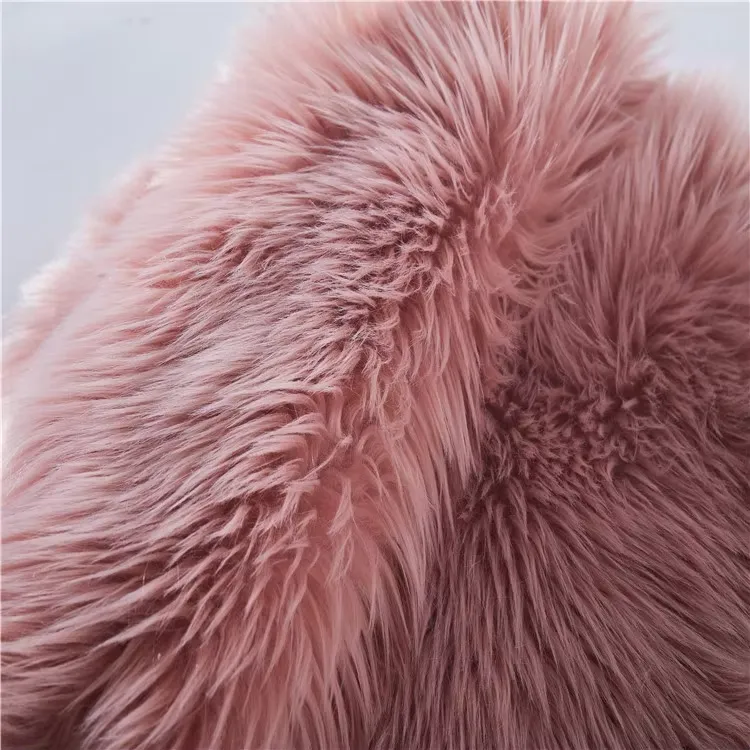
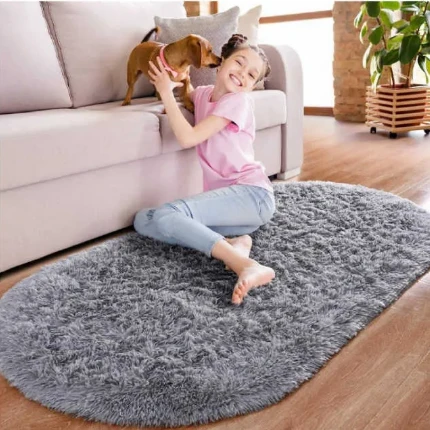
Faux rugs for bedroom applications represent a significant segment within the broader floor covering industry. These rugs, designed to mimic the aesthetic qualities of natural fiber rugs (wool, silk, cotton) without utilizing animal products, are typically constructed from synthetic polymers. Their technical position lies in providing a cost-effective, hypoallergenic, and easy-to-maintain alternative to natural fiber options. Core performance characteristics revolve around pile density, fiber durability (abrasion resistance), colorfastness, and dimensional stability. The industry faces ongoing challenges related to microplastic shedding, achieving realistic textures, and improving the sustainability profile of the materials used. This guide provides a comprehensive technical overview of faux rugs for bedroom use, encompassing material science, manufacturing processes, performance analysis, failure modes, and relevant industry standards.
Material Science & Manufacturing
The primary raw materials for faux rugs are synthetic polymers, most commonly polypropylene (PP), polyester (PET), and nylon (polyamide – PA6 or PA66). Polypropylene offers excellent stain resistance and affordability, making it widely used for high-traffic areas. Polyester provides superior softness and vibrant color possibilities, though it is generally less resilient than polypropylene. Nylon boasts high durability and resilience, but is typically more expensive and can be prone to static buildup. The manufacturing process typically involves several stages: Yarn Extrusion: Polymer pellets are melted and extruded through spinnerets to create continuous filaments. Denier (fiber thickness) is a critical parameter controlled during this stage, impacting the rug's softness and pile height. Heat-Setting: The filaments are heat-set to provide crimp and texture, influencing the rug’s bulk and resilience. Tufting/Needle Punching: This is the primary rug construction method. Tufting involves inserting the yarn into a primary backing material (typically polypropylene), creating a loop or cut pile. Needle punching involves interlocking fibers mechanically to form a non-woven rug. Secondary Backing: A secondary backing (often latex or polyurethane foam) is applied to enhance durability, stability, and provide cushioning. Shearing & Finishing: The rug pile is sheared to achieve the desired height and density. Finishing processes include dyeing, printing, and applying stain-resistant treatments. Parameter control during extrusion (temperature, flow rate) and tufting (stitch rate, yarn tension) are vital for maintaining consistent quality and performance.
Performance & Engineering
The performance of faux rugs is assessed through several key engineering metrics. Abrasion Resistance: Measured using methods like the Taber Abraser test (ASTM D3886), this quantifies the rug's ability to withstand wear and tear from foot traffic. Higher cycle counts indicate better durability. Tensile Strength: Determines the force required to break the yarn or backing material (ASTM D2256). Critical for resisting tearing and delamination. Colorfastness to Light: Evaluates the rug's resistance to fading when exposed to simulated sunlight (ASTM D1654). A rating of 4 or 5 on the Gray Scale indicates excellent color retention. Dimensional Stability: Assesses the rug’s resistance to shrinking or stretching when exposed to changes in temperature and humidity (AATCC 157). Flammability: Faux rugs are typically treated with flame retardants to meet safety standards. Testing methods include the Pill Test (16 CFR 1610) and the DOC FF1-70 smoke and flame spread test. Environmental resistance considerations include resistance to mold and mildew growth, particularly in humid bedroom environments. Compliance with VOC emission standards (California Section 01350) is increasingly important to ensure indoor air quality.
Technical Specifications
| Parameter | Polypropylene (PP) | Polyester (PET) | Nylon (PA6/PA66) | Units |
|---|---|---|---|---|
| Denier (Fiber Thickness) | 300-800 | 300-1200 | 500-2000 | dtex |
| Pile Height | 0.4-1.2 | 0.5-1.5 | 0.8-2.0 | inches |
| Pile Weight | 20-60 | 30-80 | 40-100 | oz/sq yd |
| Abrasion Resistance (Taber Cycles) | 5,000-10,000 | 3,000-7,000 | 10,000-25,000 | cycles |
| Tensile Strength (Warp/Weft) | 80/60 | 70/50 | 120/90 | lbs |
| Colorfastness to Light (Gray Scale Rating) | 3-4 | 4-5 | 4-5 | - |
Failure Mode & Maintenance
Common failure modes in faux rugs include: Fiber Degradation: Prolonged exposure to UV light can cause polymer chain scission, leading to brittleness and fading. Pile Crushing: Repeated compression from foot traffic can flatten the pile, reducing its aesthetic appeal and cushioning. Delamination: Separation of the primary backing from the secondary backing, often due to adhesive failure or wear. Edge Fraying: Loss of yarn from the edges of the rug, caused by abrasion or insufficient edge binding. Microplastic Shedding: A growing concern, where fibers break down and release microplastics into the environment. Maintenance to mitigate these failures includes regular vacuuming (using a HEPA filter to capture microplastics), prompt stain removal (using appropriate cleaning agents – avoid harsh chemicals), rotating the rug to distribute wear, and avoiding direct sunlight exposure. For delamination, professional re-backing may be necessary. Preventative measures involve selecting rugs with high-quality backings and using rug pads to provide additional cushioning and stability.
Industry FAQ
Q: What is the impact of rug pad usage on the lifespan of a faux rug?
A: Rug pads significantly extend the lifespan of faux rugs by providing a cushioning layer that absorbs impact and reduces pile crushing. They also prevent direct contact between the rug and the floor, minimizing abrasion and preventing the transfer of color or dye. Furthermore, a rug pad provides stability, reducing movement and potential for delamination.
Q: How does the choice of fiber (PP, PET, Nylon) impact the susceptibility to staining?
A: Polypropylene exhibits the highest stain resistance due to its inherently hydrophobic nature. Polyester is fairly stain resistant but can be affected by oil-based stains. Nylon, while durable, is more susceptible to staining and requires prompt treatment of spills. Stain-resistant treatments can be applied to all fibers to enhance their performance.
Q: What is the best method for mitigating microplastic shedding from faux rugs?
A: Regular vacuuming with a HEPA filter is crucial for capturing loose fibers and microplastics. Washing the rug periodically (following manufacturer’s instructions) can also help remove shed fibers. Research into biodegradable polymer options and fiber locking technologies are ongoing to address this issue at the material level.
Q: What are the key differences in the feel and appearance between cut pile and loop pile faux rugs?
A: Cut pile rugs generally offer a softer, more plush feel due to the exposed fiber ends. They tend to be more susceptible to matting and crushing. Loop pile rugs are more durable and retain their shape better, but can feel less luxurious underfoot. The appearance differs significantly, with cut pile resembling a more traditional shag and loop pile appearing more textured and defined.
Q: How important are VOC emission standards when selecting a faux rug for a bedroom?
A: VOC emissions are highly important, particularly for bedroom applications where prolonged exposure is likely. Selecting rugs certified to meet low-VOC standards (like California Section 01350) ensures that the rug does not release harmful chemicals into the air, contributing to better indoor air quality and overall health.
Conclusion
Faux rugs for bedroom use represent a technologically sophisticated product category, balancing aesthetic appeal with practical performance considerations. The selection of appropriate materials (PP, PET, Nylon), combined with precise manufacturing control during yarn extrusion, tufting, and finishing, is critical for achieving desired durability, comfort, and aesthetic qualities. Understanding the potential failure modes – fiber degradation, delamination, and microplastic shedding – enables proactive maintenance and informed purchasing decisions.
Future innovations in this field will likely focus on developing more sustainable polymer options (e.g., recycled materials, bio-based polymers), improving fiber locking technologies to reduce microplastic shedding, and enhancing the realism of textures to more closely mimic natural fiber rugs. Adherence to industry standards regarding flammability, VOC emissions, and abrasion resistance remains paramount to ensure product safety and consumer satisfaction.