


faux shearling rug Performance Analysis
Introduction
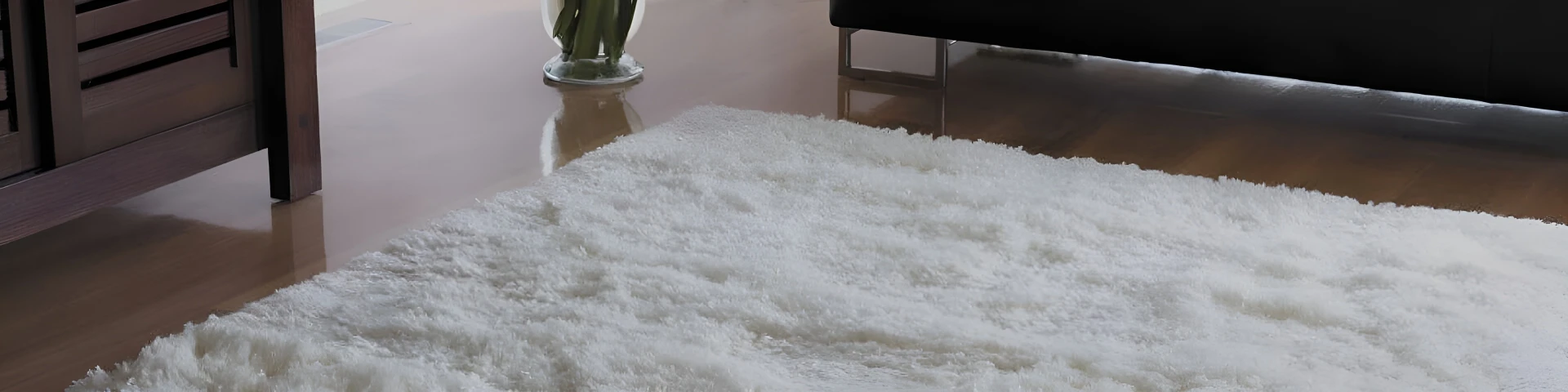
Faux shearling rugs represent a synthetic alternative to genuine sheepskin rugs, gaining prominence in interior design due to cost-effectiveness, ethical considerations, and ease of maintenance. Technically, these rugs consist of a backing material – typically jute, cotton, or synthetic polymers – onto which high-pile synthetic fibers are attached, mimicking the appearance and tactile feel of natural shearling. Positioned within the broader textile and floor coverings industry, faux shearling rugs serve as a decorative and comfort-enhancing element, competing with both natural skin rugs and other synthetic pile rugs. Core performance characteristics include pile density, fiber composition, abrasion resistance, and colorfastness, all impacting the longevity and aesthetic appeal of the product. The industry faces challenges related to achieving a realistic texture, minimizing shedding, and ensuring environmental sustainability of the synthetic materials employed.
Material Science & Manufacturing
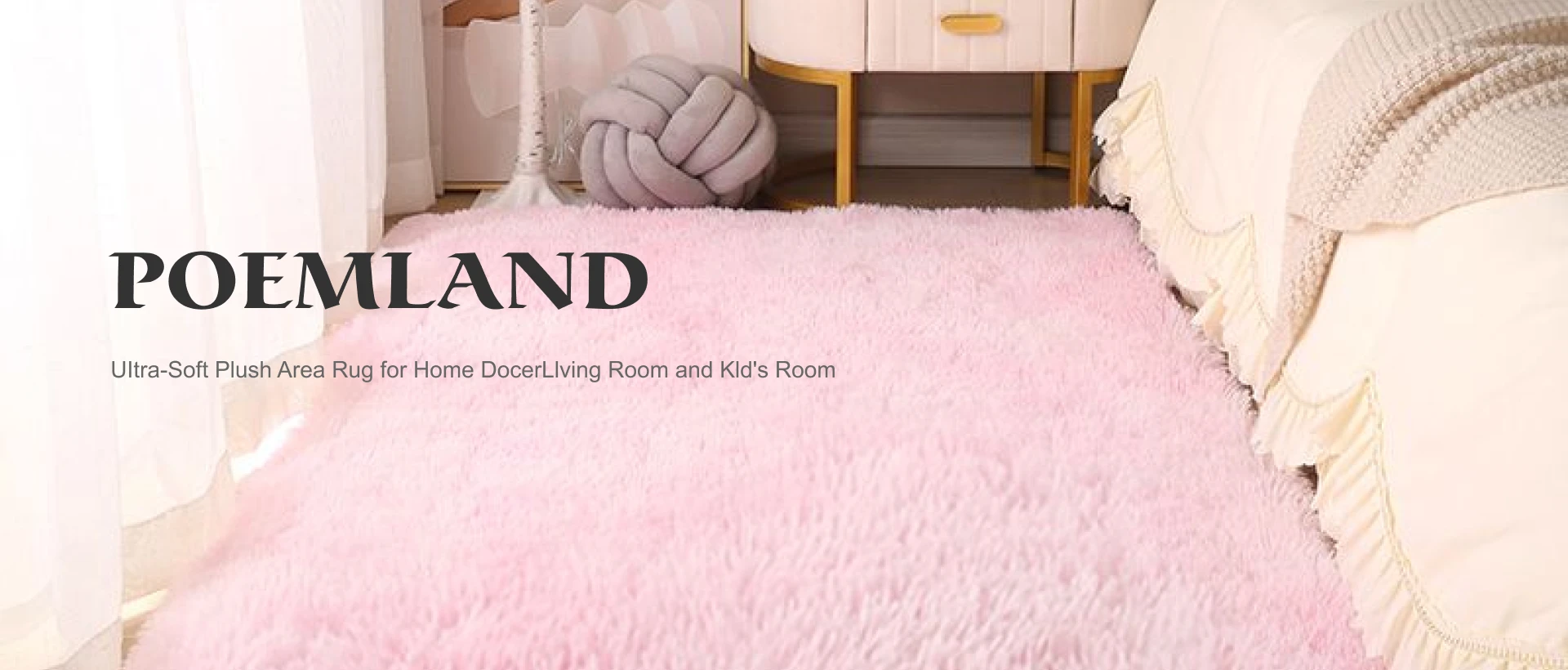
The primary raw materials in faux shearling rug production are synthetic fibers—typically acrylic, polyester, or a blend thereof—and a backing material. Acrylic fibers are favored for their wool-like texture and ability to mimic the natural crimp of sheep's wool. Polyester offers greater durability and stain resistance, but generally has a smoother texture. The backing materials most commonly employed are jute, providing a natural fiber base, cotton for softness and absorbency, and polypropylene for enhanced durability and resistance to moisture. Manufacturing typically begins with fiber extrusion and subsequent processing into individual strands. These strands are then tufted or woven into the backing material. Tufting involves inserting the fibers into the backing using needles, creating a dense pile. Woven faux shearling uses interlaced yarns, resulting in a more stable but often less plush product. Critical parameters during manufacturing include fiber denier (thickness), pile height, tuft density (stitches per inch), and adhesive strength between fiber and backing. Post-processing includes shearing to achieve a uniform pile height, dyeing to attain desired color variations, and finishing treatments to improve softness, reduce shedding, and enhance stain resistance. Quality control focuses on pile uniformity, color consistency, and adherence to dimensional specifications.
Performance & Engineering
Performance analysis of faux shearling rugs centers around several key factors. Load-bearing capacity, while not a primary structural concern, influences the degree of pile compression and recovery. Abrasion resistance, tested using methods like the Taber Abraser, determines the rug's ability to withstand foot traffic and wear. Fiber tensile strength, measured through standardized tensile tests, dictates resistance to tearing and damage. Environmental resistance is crucial; faux shearling rugs are typically susceptible to degradation from UV exposure, potentially leading to color fading and fiber brittleness. Flammability is another key consideration, with most manufacturers adhering to fire safety standards, incorporating flame retardant treatments. The thermal insulation properties, determined by measuring R-value, contribute to the comfort level of the rug. Compliance requirements vary by region, often necessitating adherence to VOC emission standards (e.g., CARB Phase 2) and restrictions on certain chemical substances (e.g., REACH regulations in Europe). Engineered solutions include stabilizing backing materials to minimize shrinkage, applying anti-shedding treatments to secure fibers, and developing UV-resistant fiber formulations. Static charge build-up can also be an issue; anti-static treatments are sometimes applied to reduce static cling.
Technical Specifications
| Parameter | Acrylic Fiber | Polyester Fiber | Jute Backing | Polypropylene Backing |
|---|---|---|---|---|
| Pile Height (mm) | 20-60 | 20-50 | N/A | N/A |
| Fiber Denier (dtex) | 1.5-3 | 1.5-4 | N/A | N/A |
| Tuft Density (SPI) | 800-1200 | 600-1000 | N/A | N/A |
| Tensile Strength (MPa) | 40-70 | 60-90 | 30-50 | 50-70 |
| Abrasion Resistance (Cycles – Taber Abraser) | 500-1000 | 800-1500 | N/A | N/A |
| Water Absorption (%) | 5-10 | 0.5-1.5 | 15-20 | 0.1-0.5 |
Failure Mode & Maintenance
Common failure modes in faux shearling rugs include fiber shedding, pile matting, color fading, and backing delamination. Fiber shedding occurs due to inadequate fiber locking during manufacturing or physical abrasion. Pile matting results from compression and deformation of fibers under sustained weight, reducing the rug’s plushness. Color fading stems from UV exposure and degradation of dye molecules. Backing delamination signifies a weakening of the adhesive bond between the fibers and the backing material, often exacerbated by moisture exposure. Oxidation of the synthetic fibers, particularly acrylic, can lead to embrittlement and discoloration over time. Maintenance recommendations involve regular vacuuming (using a suction-only vacuum head to minimize fiber pull), spot cleaning with mild detergent and water, and avoiding direct sunlight exposure. Professional cleaning is recommended annually or bi-annually. Promptly addressing spills prevents staining and fiber damage. To mitigate shedding, a rug pad is advised to provide additional cushioning and stability. Rotating the rug periodically can distribute wear more evenly. In cases of severe delamination, professional rug repair services are recommended.
Industry FAQ
Q: What is the primary difference between acrylic and polyester faux shearling rugs in terms of longevity?
A: Polyester generally exhibits superior durability and resistance to abrasion compared to acrylic. While acrylic offers a closer mimicry of natural wool’s texture, polyester fibers are less prone to shedding and maintain their shape better over extended periods of use. This translates to a longer service life for polyester-based rugs, particularly in high-traffic areas.
Q: How do faux shearling rugs compare to natural sheepskin in terms of stain resistance?
A: Faux shearling rugs, particularly those made with polyester fibers, typically offer significantly better stain resistance than natural sheepskin. Natural sheepskin is highly absorbent and susceptible to permanent staining from liquids, while polyester is hydrophobic and resists most common household spills.
Q: What are the environmental implications of using synthetic materials in faux shearling rugs?
A: The production of synthetic fibers relies on fossil fuels, contributing to carbon emissions. Additionally, microplastic shedding during washing is an environmental concern. However, many manufacturers are exploring recycled polyester options and implementing fiber locking technologies to minimize shedding, reducing the overall environmental impact.
Q: What is the expected lifespan of a high-quality faux shearling rug with moderate foot traffic?
A: A high-quality faux shearling rug, constructed with durable polyester fibers and a robust backing, can be expected to last between 5 to 10 years with moderate foot traffic and proper maintenance. Factors such as UV exposure and the frequency of cleaning can influence the lifespan.
Q: Are there any specific cleaning agents I should avoid when cleaning a faux shearling rug?
A: Harsh chemicals, bleach, and abrasive cleaners should be avoided. These can damage the synthetic fibers and cause discoloration. It’s best to use a mild detergent specifically designed for synthetic fabrics and follow the manufacturer’s cleaning instructions carefully.
Conclusion
Faux shearling rugs represent a pragmatic and aesthetically versatile flooring solution, bridging the gap between the luxurious feel of genuine sheepskin and the practicalities of modern living. The choice between acrylic and polyester fibers dictates key performance characteristics, with polyester generally providing superior durability and stain resistance. Understanding the manufacturing processes, failure modes, and appropriate maintenance protocols is paramount to maximizing the longevity and aesthetic appeal of these rugs.
Continued innovation in fiber technology, including the development of recycled and bio-based materials, promises to further enhance the sustainability and performance of faux shearling rugs. Addressing microplastic shedding through improved fiber locking techniques and exploring alternative backing materials will be crucial for minimizing the environmental footprint of this increasingly popular product category. Adherence to industry standards and rigorous quality control procedures will be essential to maintain consumer confidence and ensure consistent product performance.