

faux sheepskin rug 9x12 Performance Analysis
Introduction
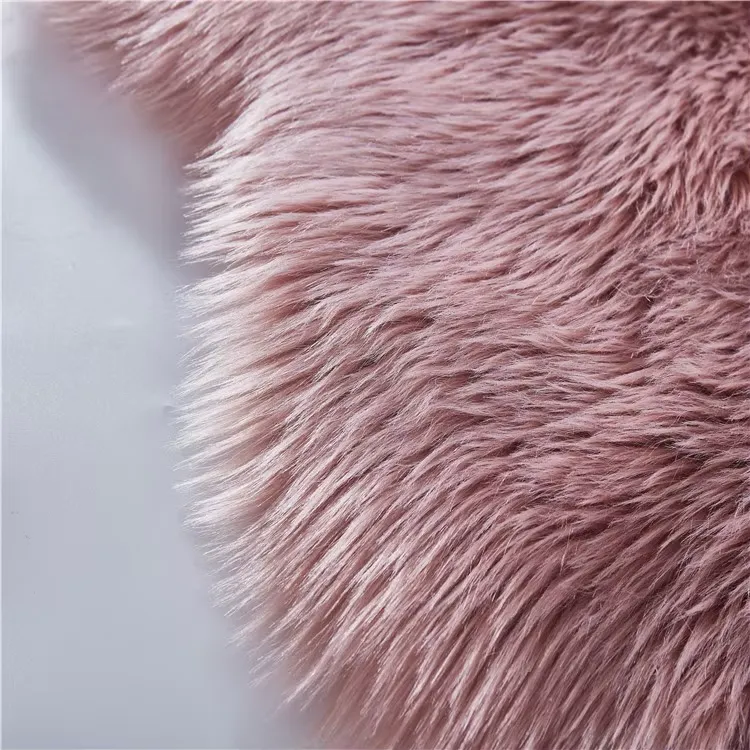
Faux sheepskin rugs, specifically those measuring 9x12 feet, represent a significant segment within the broader decorative flooring market. These rugs are engineered as synthetic alternatives to genuine sheepskin, offering comparable aesthetics and tactile properties at a reduced cost and with ethical sourcing advantages. Their position in the value chain lies between raw material suppliers (primarily petrochemical industries for synthetic fibers) and the end consumer, encompassing manufacturing, distribution, and retail sectors. Core performance characteristics center around replicating the thermal insulation, softness, and visual appeal of natural sheepskin, while prioritizing durability, ease of maintenance, and resistance to allergens. The 9x12 size is particularly popular for defining large living spaces, bedrooms, and home office areas, demanding a consistent and reliable manufacturing process to ensure uniform pile height, color fastness, and overall structural integrity. Understanding the interplay between material selection, manufacturing techniques, and performance metrics is crucial for optimizing product quality and meeting consumer expectations in this competitive market.
Material Science & Manufacturing
The foundation of a faux sheepskin rug 9x12 lies in the selection of synthetic fibers, primarily utilizing acrylic, polyester, and modacrylic compositions. Acrylic fibers offer excellent bulk, softness, and a close resemblance to natural wool, but exhibit lower resilience and potential for pilling. Polyester provides superior durability, stain resistance, and color retention, though can feel less naturally soft. Modacrylic blends contribute flame retardancy and enhanced textural characteristics. The manufacturing process begins with fiber production, often via melt spinning or dry spinning techniques. These fibers are then processed into a yarn with a specific denier (fiber thickness) and ply count to control pile density and overall rug weight. A key step is the ‘cut pile’ construction, achieved through tufting or weaving. Tufting involves inserting the yarn into a primary backing material (typically polypropylene or jute) using needles, followed by a secondary latex coating to secure the tufts. Weaving interlaces the yarns directly, creating a more durable but often less plush structure. Pile height is a critical parameter, typically ranging from 1.5 to 2.5 inches for a luxurious feel. Dyeing is performed either before or after tufting/weaving, employing solution dyeing for superior colorfastness or piece dyeing for greater design flexibility. Finally, a backing material is applied to provide stability, prevent slippage, and enhance overall rug longevity. Parameter control focuses on consistent yarn tension, accurate dye lot matching, and uniform latex application to prevent delamination. The quality of the backing material is especially critical to prevent shedding and maintain the structural integrity of the rug over time.
Performance & Engineering
Performance evaluation of a 9x12 faux sheepskin rug involves analyzing several key engineering properties. Force analysis centers on assessing the pile crush resistance – the ability of the fibers to recover their original shape after compression. This is directly related to yarn denier, pile height, and fiber resilience. Environmental resistance testing encompasses assessing colorfastness to light (measured using the AATCC 163 standard), wash fastness (AATCC 61), and resistance to common household chemicals (AATCC 132). The rug’s thermal insulation properties, measured by its R-value, are crucial for comfort and energy efficiency. Abrasion resistance, quantified via the Taber abrasion test (ASTM D4966), determines the rug’s ability to withstand foot traffic and maintain its appearance. Compliance requirements vary by region, with key considerations including flammability standards (e.g., California Proposition 65 regarding phthalates, and the Federal Flammable Fabrics Act in the US), VOC emissions (CARB Section 01802), and restrictions on hazardous substances (REACH in Europe). Functional implementation focuses on ensuring adequate backing grip to prevent slippage on various flooring surfaces (tested using ASTM D2047) and dimensional stability to prevent warping or shrinkage over time. A critical aspect is the assessment of pile shedding, measured by collecting and quantifying released fibers after repeated use, as excessive shedding can indicate poor fiber locking or backing adhesion.
Technical Specifications
| Parameter | Acrylic/Polyester Blend | 100% Polyester | Modacrylic/Polyester Blend | Units |
|---|---|---|---|---|
| Pile Height | 1.8 – 2.2 | 1.5 – 2.0 | 2.0 – 2.5 | inches |
| Pile Weight | 800 – 1200 | 600 – 900 | 900 – 1300 | gsm (grams per square meter) |
| Fiber Denier | 7 – 10 | 8 – 12 | 6 – 8 | dtex |
| Backing Material | Polypropylene/Jute | 100% Polypropylene | Polyester/Latex | - |
| Colorfastness to Light (AATCC 163) | 4 – 5 | 5 – 6 | 4 – 5 | Rating (1-5, 5=Excellent) |
| Abrasion Resistance (ASTM D4966) | 500 – 800 | 800 – 1200 | 600 – 900 | cycles |
Failure Mode & Maintenance
Common failure modes in faux sheepskin rugs 9x12 include fiber shedding, pile matting, delamination of the backing, and color fading. Fiber shedding occurs due to inadequate fiber locking during tufting or weaving, exacerbated by abrasive cleaning methods. Pile matting results from repeated compression and loss of fiber resilience, particularly in acrylic-based rugs. Delamination arises from weak adhesion between the pile and backing, often caused by moisture exposure or substandard latex application. Color fading is primarily attributable to UV exposure and the use of dyes with poor lightfastness. Oxidation of synthetic fibers, though slower than in natural materials, can also contribute to discoloration and brittleness over extended periods. Maintenance is critical to prolonging rug life. Regular vacuuming (avoiding beater bars which can damage fibers) is essential to remove dust and debris. Spot cleaning with a mild detergent and water is recommended for spills. Avoid harsh chemicals and excessive moisture. Professional cleaning every 12-18 months can help restore pile loft and remove deep-seated dirt. To mitigate delamination, avoid placing heavy furniture directly on the rug for prolonged periods, and use rug pads to provide cushioning and airflow. Proper storage in a cool, dry environment is essential to prevent mold and mildew growth. Addressing failure modes promptly – for example, using rug repair tape for small delaminations – can prevent more extensive damage.
Industry FAQ
Q: What is the primary difference between acrylic and polyester faux sheepskin in terms of long-term durability?
A: Polyester generally offers superior long-term durability compared to acrylic. While acrylic provides a softer initial feel, it’s more prone to pilling, matting, and fiber breakdown under consistent abrasion. Polyester exhibits greater resilience, stain resistance, and color retention, making it a more robust choice for high-traffic areas.
Q: How does the backing material impact the overall performance and longevity of the rug?
A: The backing material is critical. A high-quality polypropylene or jute backing provides stability, prevents slippage, and secures the pile fibers. Substandard backing can lead to delamination, shedding, and premature wear. Latex adhesive quality is also vital for bonding the pile to the backing. A thicker, more uniform latex coating enhances durability.
Q: What are the key considerations for selecting a faux sheepskin rug for a home with pets or allergies?
A: For pet owners, polyester is preferable due to its superior stain resistance and durability against scratching. For allergy sufferers, selecting a rug labeled as hypoallergenic and regularly vacuuming to remove allergens is vital. Avoid rugs with jute backing if there are significant allergies, as jute can harbor dust mites.
Q: What testing standards are most relevant when evaluating the quality and safety of a faux sheepskin rug?
A: Key standards include AATCC 163 (colorfastness to light), AATCC 61 (wash fastness), ASTM D4966 (abrasion resistance), ASTM D2047 (slip resistance), and relevant flammability standards like California Proposition 65. REACH compliance is important for ensuring the absence of harmful substances.
Q: How can I best prevent pile matting and maintain the plushness of my faux sheepskin rug?
A: Regular vacuuming (without beater bars) is crucial. Rotate the rug periodically to distribute wear evenly. Avoid placing heavy furniture directly on the pile. Use a rug pad to provide cushioning and airflow. Professional cleaning every 12-18 months can help restore pile loft.
Conclusion
The selection of a 9x12 faux sheepskin rug is a complex decision requiring careful consideration of material science, manufacturing processes, and performance characteristics. Understanding the trade-offs between acrylic, polyester, and modacrylic fibers, as well as the importance of backing quality and adherence to relevant industry standards, is paramount. A well-constructed rug will provide a durable, aesthetically pleasing, and comfortable surface for years to come.
Future innovations in faux sheepskin rug technology will likely focus on developing more sustainable fiber sources, enhancing pile resilience through advanced yarn construction techniques, and incorporating antimicrobial treatments for improved hygiene. The integration of smart textile technologies, such as embedded heating elements, could further expand the functional capabilities of these rugs. Continued emphasis on rigorous quality control and adherence to evolving regulatory requirements will be essential for maintaining consumer trust and driving market growth.