

faux sheepskin throw for sofa Performance Analysis
Introduction
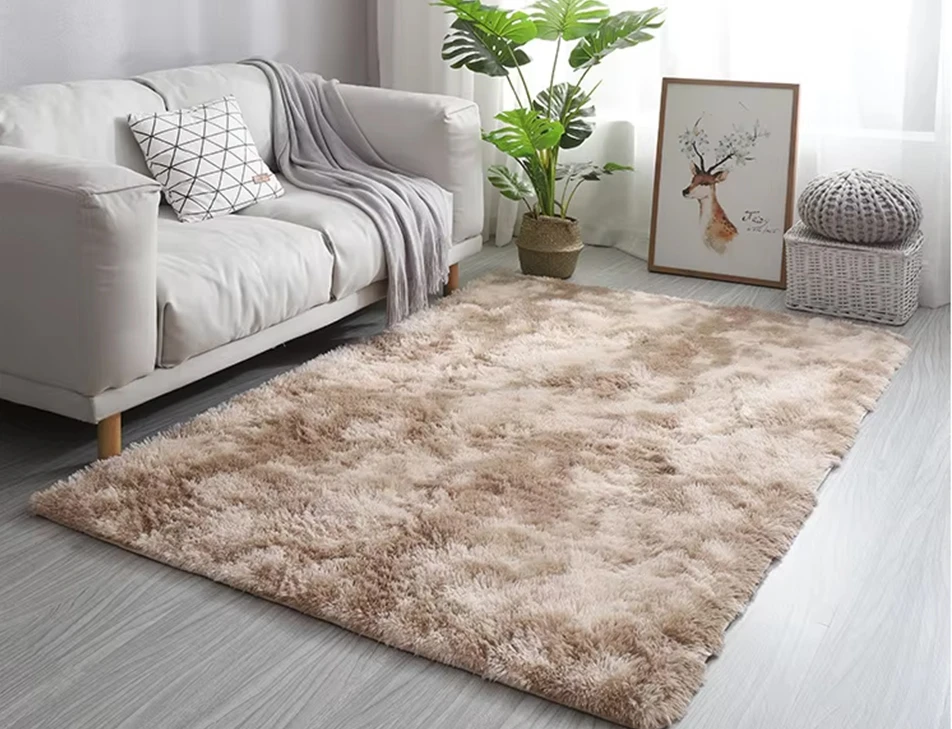
Faux sheepskin throws for sofas represent a significant segment within the broader home textile industry, functioning primarily as decorative and comfort-enhancing elements. Unlike genuine sheepskin, these throws utilize synthetic materials to replicate the texture and appearance, offering a more accessible and ethically sourced alternative. Technically, these throws are constructed from a base fabric, typically polyester, onto which high-pile fibers—also predominantly polyester—are affixed, creating the characteristic fluffy surface. Their positioning within the supply chain involves raw material production (polyester fiber synthesis), fabric manufacturing (knitting or weaving of the base), pile application (often utilizing a tufting or needle-punching process), and final finishing operations like dyeing and shearing. Core performance characteristics include thermal insulation, aesthetic appeal, durability, and ease of care. Addressing consumer concerns surrounding animal welfare and cost has driven substantial market growth in this category, demanding increasingly sophisticated manufacturing techniques and material compositions to mimic the luxurious feel of natural sheepskin while maintaining affordability and resilience.
Material Science & Manufacturing
The foundation of faux sheepskin throws rests on polyester – specifically, polyethylene terephthalate (PET). PET is chosen for its inherent properties: high tensile strength (55-80 MPa), good abrasion resistance, relatively low cost, and ease of dyeing. The base fabric, commonly a knitted or woven polyester, provides structural integrity. The pile fibers, also predominantly polyester but varying in denier and crimp, are critical for replicating the sheepskin texture. Microfiber polyester (denier < 1) is often used to achieve a softer, more luxurious feel. Manufacturing commences with polymer production – typically via the esterification of ethylene glycol and terephthalic acid. This polymer is then spun into fibers. The pile application process varies. Tufting involves inserting fibers through a primary backing material using needles, followed by a latex coating to secure them. Needle-punching mechanically interlocks fibers into the base fabric. Critical parameters during manufacturing include fiber density (fibers per square inch, influencing density and pile height), pile height (typically 20-50mm, impacting aesthetics and comfort), and yarn crimp (determining the curl and loft of the fibers). Dyeing utilizes disperse dyes for polyester, requiring precise temperature and pH control to ensure colorfastness. Shearing precisely trims the pile to achieve a uniform appearance and desired length, directly influencing the tactile quality. Backing materials are often suedecloth or a similar non-woven fabric to provide a soft underside and prevent slippage.
Performance & Engineering
The performance of a faux sheepskin throw is dictated by several engineering considerations. Thermal insulation, quantified by its R-value (typically 1.0-1.5 for a standard throw), is a primary function. This is directly related to the pile height and fiber density – greater height and density trap more air, enhancing insulation. Force analysis concerns the tensile strength of the base fabric and the shear strength of the pile-backing bond. A typical throw should withstand at least 200N of tensile force without tearing and 50N of shear force before delamination occurs. Environmental resistance is crucial. Polyester exhibits moderate UV resistance, but prolonged exposure can cause fading and fiber degradation. Hydrolytic stability is also a concern; prolonged exposure to moisture can lead to fiber breakdown, particularly with lower-quality polyesters. Flammability is addressed through the application of flame-retardant finishes, meeting standards like California Bulletin 117. Compliance requirements mandate adherence to chemical restrictions (e.g., REACH regulations regarding restricted substances) and labeling standards (fiber content disclosure). Dimensional stability is paramount; shrinkage exceeding 3% after washing is considered unacceptable. The throw's weight (typically 800-1500g) impacts its drape and comfort. Pile recovery – the ability of the fibers to regain their loft after compression – is a key indicator of quality, directly correlating to the fiber's crimp and resilience.
Technical Specifications
| Parameter | Unit | Typical Value | Test Method |
|---|---|---|---|
| Pile Height | mm | 30-40 | ASTM D3654 |
| Fiber Density | fibers/inch² | 800-1200 | Visual Inspection/Microscopy |
| Tensile Strength (Base Fabric) | N | >200 | ASTM D5035 |
| Shear Strength (Pile-Backing) | N | >50 | ASTM D776 |
| Colorfastness to Washing | Rating (1-5) | >4 | AATCC 163 |
| Flammability | Pass/Fail | Pass | California Bulletin 117 |
Failure Mode & Maintenance
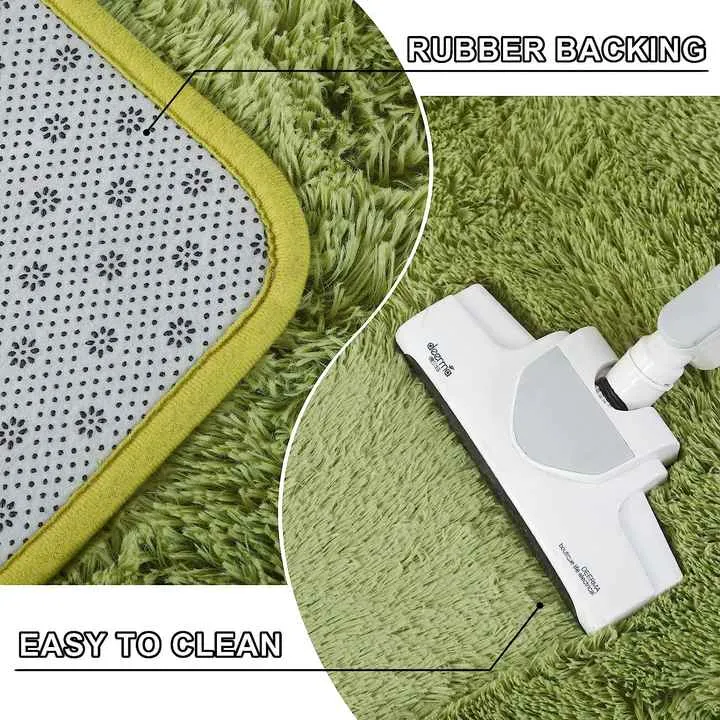
Faux sheepskin throws, despite their durability, are susceptible to specific failure modes. Fiber shedding is common, particularly during initial use and after repeated washing. This is due to the inherent looseness of the pile fibers. Pile matting – a reduction in loft and a flattened appearance – occurs due to compression and abrasion. Delamination, the separation of the pile from the backing, is a critical failure, often initiated by localized stress or weak adhesive bonding. Hydrolytic degradation, as mentioned previously, can weaken the polyester fibers over time, leading to brittleness and cracking. UV degradation causes fading and embrittlement, especially in darker colors. Maintenance is crucial to prolong lifespan. Machine washing on a gentle cycle with cold water and mild detergent is recommended. Avoid fabric softeners, as they can coat the fibers and reduce loft. Tumble drying on low heat is acceptable, but prolonged high heat can cause shrinkage and fiber damage. Regular vacuuming with an upholstery attachment removes dust and debris, preventing matting. Spot cleaning with a mild detergent solution is effective for localized stains. For significant delamination, professional re-bonding by a textile repair specialist may be considered, although the cost may outweigh replacement.
Industry FAQ
Q: What is the difference between various polyester fiber types (e.g., microdenier, hollow-conjugate) used in faux sheepskin and how do they impact the feel?
A: Microdenier polyester fibers (less than 1 denier) offer an exceptionally soft and smooth texture due to their reduced diameter, creating a finer pile. Hollow-conjugate fibers are crimped during manufacturing, enhancing loft and resilience, resulting in a fluffier and more voluminous throw. Standard polyester fibers, while more durable, typically lack the same level of softness and resilience. The choice depends on the desired price point and performance characteristics – microdenier being more premium and hollow-conjugate offering a balance of comfort and durability.
Q: How does the backing material influence the overall performance and longevity of the throw?
A: The backing material provides crucial structural support and impacts slippage resistance. Suedecloth backings offer excellent softness and a luxurious feel but may be less durable. Non-woven polypropylene backings are more cost-effective and offer good durability but can feel less premium. The adhesive used to bond the pile to the backing is also critical; a strong, flexible adhesive is essential to prevent delamination. A heavier-weight backing generally indicates better quality and durability.
Q: What flame-retardant treatments are commonly used, and are there any concerns regarding their environmental impact?
A: Typically, phosphorous-based flame retardants are used. These are applied as a coating or incorporated into the fiber during manufacturing. While effective, some older formulations contained halogenated compounds, raising environmental and health concerns. Modern formulations prioritize halogen-free options, minimizing environmental impact. Compliance with standards like California Bulletin 117 requires documented testing to ensure effectiveness and safety.
Q: How does the manufacturing process (tufting vs. needle-punching) affect the product's texture and durability?
A: Tufting generally produces a denser, more luxurious pile with a more defined “shag” appearance. However, it can be less durable as the pile fibers are primarily held in place by adhesive. Needle-punching creates a more compact and durable pile, as the fibers are mechanically interlocked. This results in a slightly less plush texture but increased resistance to shedding and delamination. The choice depends on the desired aesthetic and performance priorities.
Q: What are the key considerations when specifying a faux sheepskin throw for high-traffic areas (e.g., hotel lobbies, waiting rooms)?
A: For high-traffic areas, prioritize durability and abrasion resistance. Opt for a throw with a higher pile density and a robust backing material. Consider a needle-punched construction over tufted. Specify a high colorfastness rating to prevent fading from cleaning and foot traffic. Investigate commercial-grade options with enhanced stain resistance and antimicrobial treatments to maintain hygiene and appearance. Regular professional cleaning is also essential.
Conclusion
Faux sheepskin throws for sofas represent a complex intersection of material science, textile engineering, and consumer demand. The selection of polyester as the primary material, coupled with nuanced manufacturing techniques like tufting and needle-punching, allows for replication of the aesthetic and tactile qualities of genuine sheepskin at a significantly lower cost and with ethical advantages. Understanding the core performance parameters—thermal insulation, tensile strength, and environmental resistance—is crucial for ensuring product longevity and consumer satisfaction.
Future advancements are likely to focus on bio-based polyester alternatives, further reducing the environmental footprint, and the development of more durable and resilient pile fibers. Optimizing adhesive bonding techniques will also be critical to minimizing delamination, a persistent failure mode. Continued emphasis on compliance with evolving environmental regulations and consumer safety standards will shape the future trajectory of this increasingly popular home textile category.