


Good quality carpet Performance Analysis
Introduction
Good quality carpet, a ubiquitous flooring solution, represents a complex intersection of textile engineering, material science, and manufacturing processes. Positioned within the broader floor covering industry, which encompasses hard surfaces like wood, tile, and laminate, carpet distinguishes itself through its inherent comfort, acoustic properties, and aesthetic versatility. This technical guide will delve into the intricacies of high-performance carpet construction, focusing on the relationship between material composition, manufacturing techniques, performance characteristics, and long-term durability. Core performance metrics include pile density, fiber resilience, stain resistance, and dimensional stability. The industry is currently grappling with sustainability concerns, driving demand for carpets produced from recycled materials and utilizing environmentally friendly manufacturing processes. Addressing these challenges while maintaining performance is a key pain point for manufacturers and consumers alike.
Material Science & Manufacturing
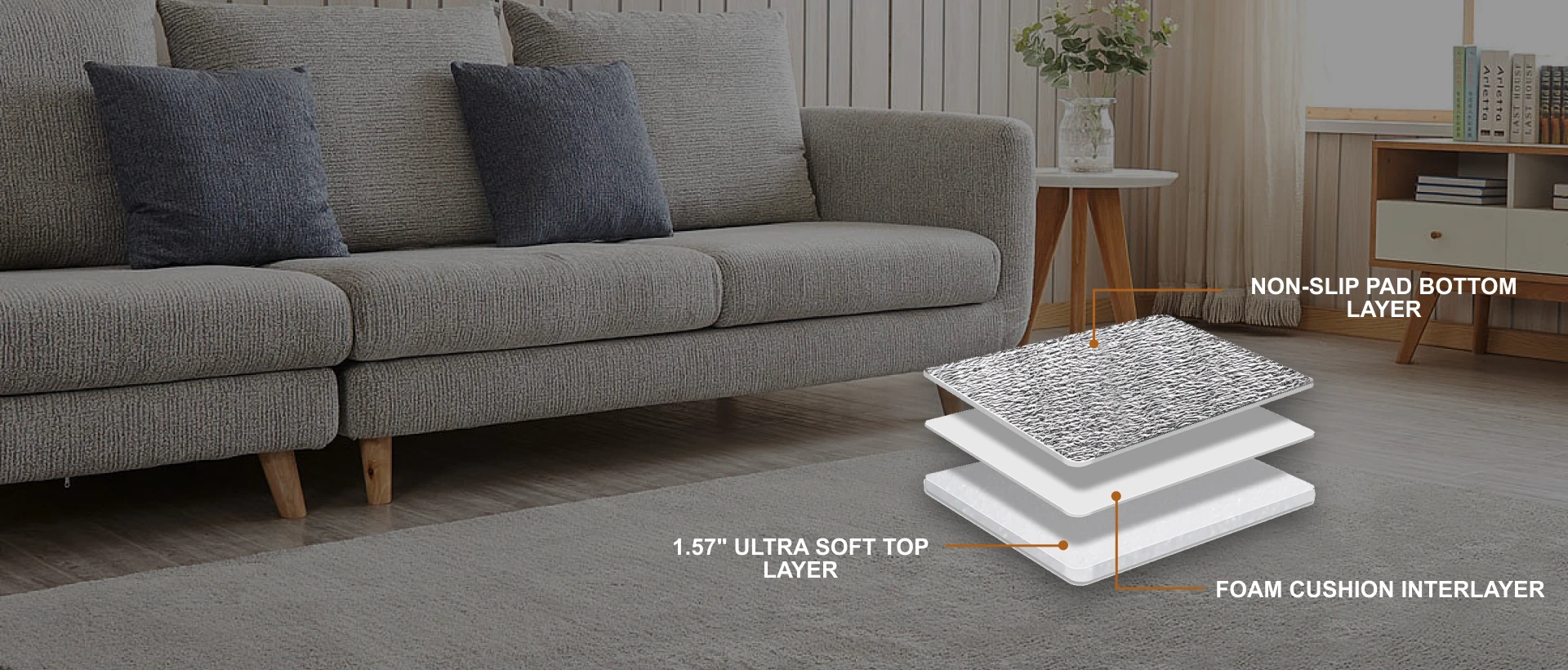
The foundation of good quality carpet lies in the selection of appropriate materials. Primary fiber types include nylon (polyamide 6 or 6,6), polyester (PET), polypropylene (PP), and wool. Nylon offers superior abrasion resistance and resilience, making it ideal for high-traffic areas. Polyester provides inherent stain resistance and cost-effectiveness but typically exhibits lower resilience compared to nylon. Polypropylene is known for its colorfastness and moisture resistance, often used in loop pile constructions. Wool, a natural fiber, delivers excellent durability, comfort, and inherent flame retardancy, but is significantly more expensive. Backing materials typically consist of polypropylene, jute, or synthetic latex. The manufacturing process varies depending on carpet construction. Tufting is the most prevalent method, involving inserting fibers through a primary backing material. Woven carpets, while less common due to higher production costs, offer superior durability and design complexity. Needle punching involves mechanically interlocking fibers to create a dense, durable carpet. Critical parameters during manufacturing include yarn denier (fiber thickness), pile density (fibers per square inch), gauge (stitches per inch), and twist level (yarn tightness). Precise control of these parameters directly influences the carpet’s performance and longevity. Latex saturation levels must be carefully monitored to ensure proper backing stability and prevent delamination. Dyeing processes utilize a variety of chemical dyes, with colorfastness assessed using standardized testing methods.
Performance & Engineering
Carpet performance is governed by a combination of mechanical and physical properties. Force analysis focuses on indentation resistance (measured by pile compression and recovery), tensile strength (resistance to pulling forces), and delamination strength (resistance to separation of backing layers). Environmental resistance is crucial, including resistance to UV degradation (fading), moisture absorption (leading to mold growth), and chemical attack (from cleaning agents or spills). Dimensional stability, preventing stretching or shrinking, is maintained through appropriate backing construction and fiber stabilization. Compliance requirements vary regionally but often include flammability standards (assessed via tests like the pill test and radiant panel test), VOC emission limits (ensuring indoor air quality), and ADA compliance (ensuring accessibility for individuals with disabilities). Functional implementation requires understanding the interaction between carpet construction and underlayment. Underlayment impacts cushioning, noise reduction, and overall comfort. Static electricity buildup is a concern, especially in dry climates, and can be mitigated through the use of anti-static treatments or conductive fibers. Carpet tile installation requires precise cutting and adhesive application to ensure seamless transitions and long-term performance.
Technical Specifications
| Property | Nylon 6,6 | Polyester (PET) | Polypropylene (PP) | Wool |
|---|---|---|---|---|
| Abrasion Resistance (Cycles to Wear) | 100,000+ | 30,000-50,000 | 20,000-40,000 | 50,000-80,000 |
| Pile Density (oz/sq yd) | 40-80 | 30-60 | 20-50 | 50-90 |
| Moisture Absorption (%) | 3.5 | 0.5 | 0.1 | 15-20 |
| Stain Resistance (Rating 1-5, 5=Excellent) | 3-4 (requires treatment) | 4-5 | 4 | 4 |
| Resilience (Recovery %) | 90-95 | 60-70 | 50-60 | 80-90 |
| Flammability (ASTM D2856) | Pass (with treatment) | Pass | Pass | Pass (inherently flame retardant) |
Failure Mode & Maintenance
Carpet failure can manifest in several forms. Fatigue cracking occurs due to repeated compression and stress, particularly in high-traffic areas. Delamination, the separation of the backing layers, results from inadequate adhesive bonding or excessive moisture exposure. Degradation of fibers, caused by UV radiation or chemical attack, leads to color fading and strength loss. Oxidation, especially in natural fibers like wool, contributes to discoloration and brittleness. Common maintenance issues include matting (loss of pile resilience), staining (requiring prompt cleaning), and seam separation (due to improper installation or stress). Professional cleaning, utilizing appropriate cleaning agents and extraction methods, is crucial for maintaining carpet appearance and hygiene. Regular vacuuming removes abrasive dirt and debris, minimizing wear. Spot treatment of stains should be performed immediately to prevent permanent discoloration. Periodic carpet rotation (in areas with uneven traffic) can help distribute wear evenly. Preventative maintenance, such as applying stain protectors and using entrance mats, extends carpet lifespan. Correcting installation defects (e.g., loose seams, wrinkles) promptly prevents further damage.
Industry FAQ
Q: What is the primary difference between solution-dyed and piece-dyed carpet, and how does this affect stain resistance?
A: Solution-dyed carpet has the color pigment incorporated into the fiber during its manufacturing, resulting in exceptional colorfastness and inherent stain resistance. Piece-dyed carpet is dyed after it's been created as yarn or fabric, making it prone to fading and staining. While treatments can improve stain resistance in piece-dyed carpets, solution-dyed options offer superior long-term performance, especially in high-traffic or potentially messy environments.
Q: How does the carpet backing material impact its overall durability and lifespan?
A: The carpet backing provides structural stability and prevents delamination. Woven polypropylene backings are highly durable and resistant to moisture, making them suitable for demanding applications. Jute backings are less expensive but are susceptible to moisture damage and degradation. Synthetic latex backings offer a good balance of cost and performance, but latex quality varies significantly. The weight and density of the backing also play a crucial role; heavier, denser backings generally provide better support and longevity.
Q: What are the key considerations when selecting carpet for a healthcare environment?
A: Healthcare environments demand carpets with exceptional hygiene properties, including antimicrobial treatments and resistance to harsh cleaning chemicals. Low VOC emissions are critical for maintaining indoor air quality. Carpet tiles are often preferred due to their ease of replacement and ability to isolate soiled areas. Resilience and comfort are also important to reduce fatigue for healthcare workers.
Q: How does pile height and density influence the performance and comfort of a carpet?
A: Pile height refers to the length of the fibers, while pile density describes the number of fibers per square inch. Higher pile heights generally offer greater comfort and a more luxurious feel, but they can be more prone to matting. Higher pile densities provide better resilience, durability, and a more consistent appearance. A balance between pile height and density is essential to achieve the desired performance characteristics.
Q: What role does carpet underlayment play in overall carpet performance and longevity?
A: Carpet underlayment provides cushioning, noise reduction, and structural support. It extends carpet lifespan by absorbing impact and reducing wear. The appropriate underlayment density and thickness depend on the carpet type, traffic level, and desired comfort level. Choosing a compatible underlayment is critical to avoid voiding the carpet warranty and maximizing its long-term performance.
Conclusion
In conclusion, selecting good quality carpet necessitates a thorough understanding of material science, manufacturing processes, and performance characteristics. Nylon remains the workhorse fiber for demanding applications due to its superior abrasion resistance, while polyester and polypropylene offer cost-effective alternatives with specific advantages. Proper installation and consistent maintenance are paramount for maximizing carpet lifespan and preserving its aesthetic appeal. Addressing sustainability concerns through the adoption of recycled materials and eco-friendly manufacturing practices will be critical for the future of the industry.
Ultimately, the optimal carpet selection is a function of application-specific requirements, balancing performance, cost, and environmental considerations. A holistic approach, encompassing fiber choice, construction technique, and ongoing maintenance, is essential to ensure a long-lasting and aesthetically pleasing flooring solution.