

Gray carpet bedroom Performance Analysis
Introduction
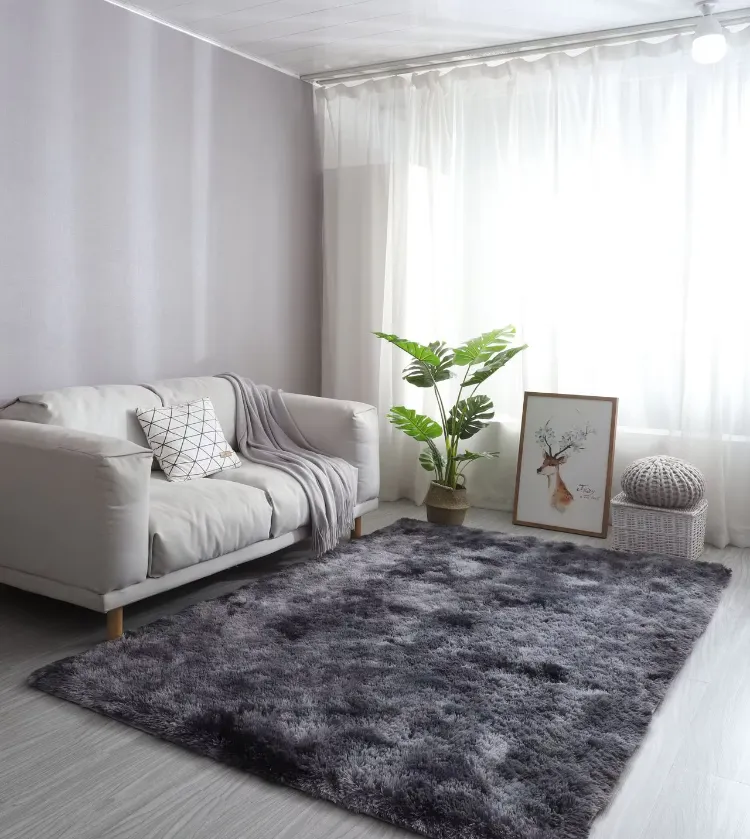
Gray carpet, utilized extensively in bedroom environments, represents a significant component within the broader interior textiles industry. Its technical position lies in providing both functional flooring and aesthetic enhancement, influencing thermal insulation, acoustic dampening, and pedestrian safety. The core performance characteristics revolve around durability – measured in wear resistance, pile retention, and stain resistance – coupled with tactile comfort and visual appeal. Gray, as a neutral color, offers versatility in design schemes, but the technical specification of the carpet fibers, backing materials, and manufacturing processes directly impact long-term performance and suitability for residential use. This guide details the material science, manufacturing processes, performance criteria, failure modes, and maintenance procedures crucial for understanding and optimizing the lifespan of gray carpet in bedroom applications.
Material Science & Manufacturing
The predominant fiber materials in gray bedroom carpet are nylon (polyamide), polypropylene (olefin), polyester (polyethylene terephthalate), and wool. Nylon exhibits superior abrasion resistance and resilience, making it ideal for high-traffic areas. Polypropylene offers excellent stain resistance and is cost-effective, although its resilience is lower. Polyester provides good color retention and is relatively soft, but is susceptible to crushing. Wool, a natural fiber, offers exceptional durability, resilience, and a luxurious feel, but is significantly more expensive and requires specialized cleaning. The manufacturing process typically involves fiber extrusion, yarn twisting, tufting or weaving, and backing application. Tufting is the most common method, where fibers are inserted into a primary backing material. The primary backing is then coated with adhesive and a secondary backing—often a latex or polyurethane foam—for added stability and cushioning. Dyeing occurs either before or after tufting, employing solution dyeing (color added to the molten polymer) or post-dyeing techniques. Parameter control is critical. Fiber denier (thickness) impacts texture and durability. Twist level affects pile definition and resilience. Backing weight and composition influence cushioning and structural integrity. The quality of the adhesive bond between primary and secondary backing determines delamination resistance.
Performance & Engineering
Gray carpet performance in a bedroom setting is assessed based on several engineering criteria. Force analysis is key; carpets must withstand repeated compression from foot traffic and furniture without significant pile crushing or fiber breakage. This is quantified through wear testing (Taber abrasion test) and pile recovery tests. Environmental resistance is crucial, particularly regarding moisture and temperature fluctuations. High humidity can promote mold growth within the carpet backing, while temperature variations can affect dimensional stability. Compliance requirements are dictated by flammability standards (e.g., ASTM E84, NFPA 253), VOC emissions (California Department of Public Health Section 01350), and stain resistance standards (AATCC 178). Functional implementation considerations include acoustic performance – measured by Noise Reduction Coefficient (NRC) and Sound Transmission Class (STC) – and thermal insulation (R-value). The color gray's light reflectance value (LRV) impacts the perceived brightness of the room and should be considered during design. Static electricity buildup is also a consideration, particularly in dry climates, and can be mitigated through the use of antistatic treatments.
Technical Specifications
| Fiber Type | Pile Height (mm) | Density (oz/yd²) | Gauge (stitches/inch) | Total Weight (oz/yd²) | Flammability (ASTM E84 - Smoke Developed) |
|---|---|---|---|---|---|
| Nylon 6,6 | 12 | 48 | 7 | 80 | 450 |
| Polypropylene | 9 | 36 | 6 | 65 | 150 |
| Polyester | 10 | 40 | 8 | 70 | 280 |
| Wool (80/20 Blend) | 14 | 60 | 9 | 95 | 300 |
| Nylon 6 | 11 | 52 | 7.5 | 85 | 475 |
| Polypropylene (Textured) | 8 | 32 | 5 | 60 | 120 |
Failure Mode & Maintenance
Common failure modes in gray bedroom carpets include pile crushing (loss of resilience), fiber breakage (due to abrasion), delamination (separation of primary and secondary backing), staining, and discoloration. Fatigue cracking can occur in high-stress areas subjected to repeated foot traffic. Delamination is often caused by inadequate adhesive bonding or moisture ingress. Discoloration can result from UV exposure, cleaning agent incompatibility, or inherent fiber instability. Oxidation of nylon fibers can lead to brittleness and eventual failure. Preventive maintenance is crucial. Regular vacuuming removes abrasive particulate matter that contributes to wear. Prompt stain removal prevents permanent discoloration. Professional deep cleaning (hot water extraction) removes embedded dirt and allergens. Avoid harsh chemicals or abrasive cleaning tools. Rotation of furniture and area rugs distributes wear more evenly. For delamination, professional re-bonding with appropriate adhesives is recommended. For significant fiber breakage or pile loss, replacement of the affected carpet section may be necessary.
Industry FAQ
Q: What is the impact of carpet backing material on overall carpet lifespan?
A: The backing material significantly affects lifespan. A robust, dimensionally stable backing (typically polypropylene or a high-quality latex) provides crucial structural support. Inadequate backing can lead to delamination, buckling, and premature wear. The weight and composition of the backing are directly correlated with its performance; higher density backings generally offer superior durability.
Q: How does the twist level of the yarn affect the carpet's appearance retention?
A: Higher twist levels create a more defined pile and improve the carpet’s ability to resist crushing and matting. This translates to better appearance retention over time. Lower twist levels result in a softer feel but are more prone to crushing and losing their original appearance.
Q: What are the key considerations when selecting a gray carpet for a bedroom with pets?
A: Stain resistance is paramount. Polypropylene or solution-dyed nylon carpets are excellent choices due to their inherent stain resistance. Consider a low-pile construction to minimize pet hair entrapment. Regular and thorough vacuuming is essential. Antimicrobial treatments can help control odors and prevent bacterial growth.
Q: What VOC emission standards should be considered when specifying carpet for indoor air quality?
A: California Department of Public Health Section 01350 is a widely recognized standard for VOC emissions. Look for carpets certified by independent organizations such as the Carpet and Rug Institute (CRI) Green Label Plus program, which verifies compliance with stringent VOC emission limits.
Q: What is the significance of the 'density' specification when evaluating carpet quality?
A: Carpet density, measured in ounces per square yard (oz/yd²), indicates the amount of fiber used per unit area. Higher density generally correlates with increased durability, resilience, and a luxurious feel. A higher density carpet is better able to withstand compression and maintain its appearance over time.
Conclusion
The selection and application of gray carpet in bedroom environments necessitate a comprehensive understanding of material science, manufacturing techniques, and performance criteria. Optimizing for factors such as fiber type, pile construction, backing material, and adherence to industry standards (flammability, VOC emissions) are critical for achieving long-term durability, aesthetic appeal, and occupant well-being.
Future innovations in carpet technology are likely to focus on sustainable materials (recycled content, bio-based polymers), enhanced stain resistance (nanotechnology coatings), and improved acoustic performance. Continued research and development in these areas will further refine the performance characteristics and environmental impact of gray bedroom carpets.