

gray faux sheepskin rug Performance Analysis
Introduction
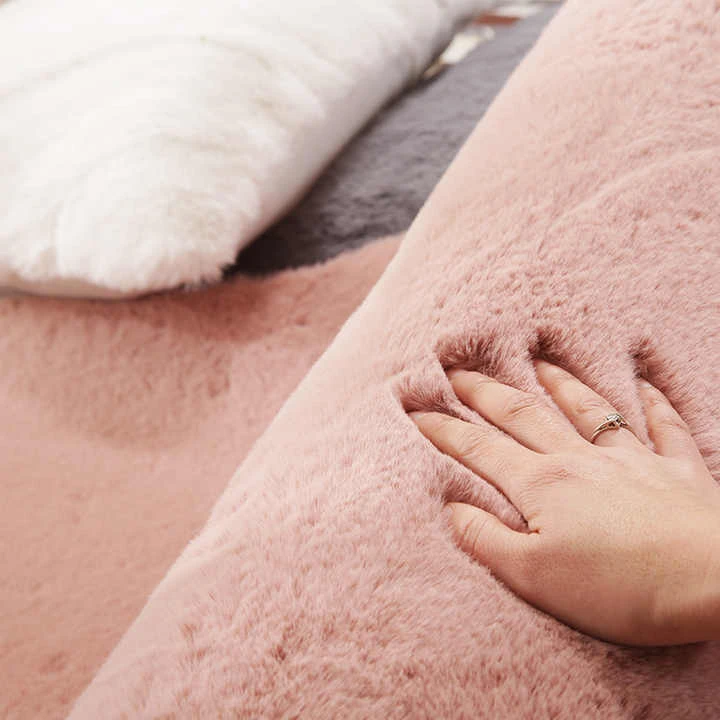
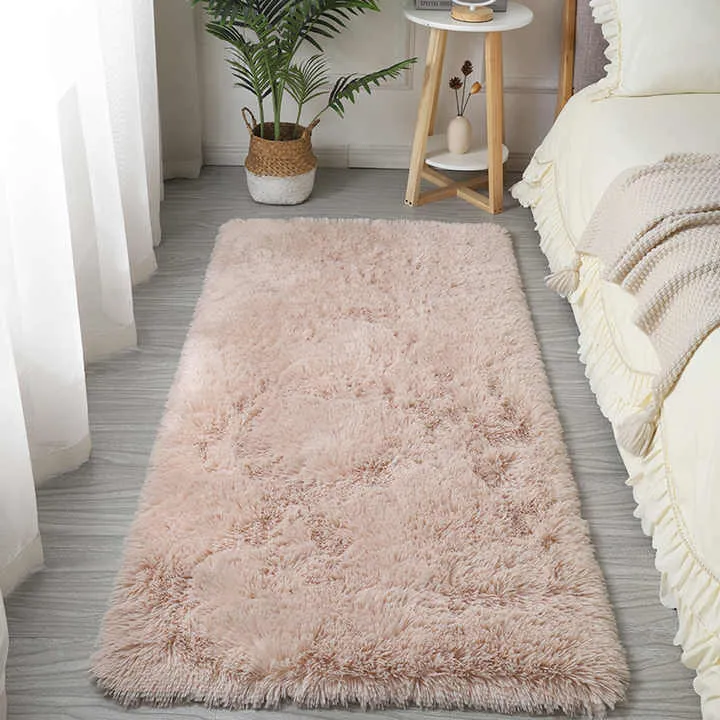
Gray faux sheepskin rugs represent a synthetic alternative to natural sheepskin, increasingly prevalent in both residential and commercial interiors. Technically categorized as pile textiles incorporating acrylic, polyester, or polypropylene fibers, these rugs offer aesthetic appeal mimicking the luxurious texture of genuine sheepskin without the associated ethical concerns or high maintenance requirements. Their position within the textile industry chain lies between raw polymer production and finished floor covering manufacturing. Core performance characteristics center around tactile comfort, aesthetic versatility, durability under moderate traffic, and relative ease of cleaning. A key driver of adoption is cost-effectiveness; faux sheepskin rugs provide a visually similar product at a significantly lower price point than their natural counterparts. However, understanding the nuances of fiber composition, manufacturing processes, and potential degradation pathways is critical for informed procurement and ensuring prolonged service life.
Material Science & Manufacturing
The foundation of gray faux sheepskin rugs resides in synthetic polymer chemistry. Predominantly, acrylic (polyacrylonitrile), polyester (polyethylene terephthalate), and polypropylene are employed as the primary fiber constituents. Acrylic fibers excel in mimicking the bulky, soft texture of wool due to their inherent crimp and ability to retain loft. Polyester offers superior resilience and resistance to abrasion, while polypropylene provides cost advantages and inherent stain resistance. The manufacturing process begins with polymer extrusion, where molten polymer is forced through spinnerets to create continuous filaments. These filaments are then drawn (stretched) to enhance tensile strength and oriented to improve dimensional stability. A crucial stage involves the 'crimping' process, imparting texture and bulk to the fibers, simulating the natural curl of sheep’s wool. These crimped fibers are then tufted or woven into a backing material, typically polypropylene or jute. Tufting involves inserting fiber bundles through a primary backing, followed by coating with a latex adhesive to secure the tufts. Weaving, a more intricate process, interlocks the fibers to create a more durable and structurally sound fabric. The pile height, density, and fiber orientation are key parameters controlled during manufacturing to dictate the rug's softness, appearance, and wear characteristics. Dyeing is usually performed before or during the fiber extrusion process for consistent color throughout. Post-manufacturing, a final finishing process may include shearing to achieve the desired pile length and density, and application of stain-resistant treatments.
Performance & Engineering
The performance of gray faux sheepskin rugs is governed by several engineering principles. Load distribution and compression set are critical considerations. The pile fibers, acting as a deformable layer, distribute compressive forces exerted by foot traffic. However, prolonged or concentrated loading can lead to permanent deformation – compression set – reducing the rug’s loft and tactile comfort. Friction coefficients, particularly relevant in high-traffic areas, determine the rug’s propensity for slippage. Coefficient of friction is affected by fiber type, pile height, and backing material. Environmental resistance factors heavily into durability. Exposure to ultraviolet (UV) radiation can cause polymer chain scission in acrylic and polypropylene fibers, leading to fading and embrittlement. Temperature fluctuations can induce expansion and contraction, potentially weakening the bond between fibers and backing. Flammability is a key safety concern addressed through adherence to flammability standards (see Standards & Regulations). Testing typically involves assessing flame spread, smoke development, and resistance to ignition. Chemical resistance is also crucial; exposure to common household cleaners or spills should not cause significant discoloration or fiber degradation. Compliance with VOC emission standards is increasingly important for indoor air quality; low-VOC formulations of latex adhesives and finishing treatments are preferred. Engineering analyses focus on optimizing fiber denier (linear mass density) and pile construction to achieve a balance between softness, durability, and cost-effectiveness.
Technical Specifications
| Parameter | Acrylic Fiber | Polyester Fiber | Polypropylene Fiber | Typical Rug Backing |
|---|---|---|---|---|
| Fiber Denier (dtex) | 500-1500 | 300-1200 | 200-800 | N/A |
| Pile Height (mm) | 20-60 | 20-60 | 20-40 | N/A |
| Pile Density (g/m²) | 800-2000 | 600-1800 | 400-1200 | N/A |
| Tensile Strength (MPa) | 40-80 | 50-90 | 25-50 | N/A |
| UV Resistance (Rating 1-5, 5=Excellent) | 2 | 3 | 4 | N/A |
| Water Absorption (%) | 8-12 | 0.5-1.0 | 0.1-0.5 | N/A |
Failure Mode & Maintenance
Gray faux sheepskin rugs are susceptible to several failure modes. ‘Matting’ – the flattening and loss of pile loft – is a common occurrence due to repetitive compression and abrasion. This is exacerbated in high-traffic areas. Fiber shedding is inherent to most pile textiles, but excessive shedding can indicate poor fiber bonding or low fiber quality. Color fading, particularly in acrylic fibers, results from UV degradation, rendering the rug aesthetically unappealing. Delamination – separation of the pile from the backing – is a critical failure mode, often stemming from adhesive failure or excessive mechanical stress. Oxidation of polypropylene fibers can lead to embrittlement and cracking, especially in environments with high ozone concentrations. Stain penetration, though generally better resisted by polypropylene, can occur with oily or pigmented substances if not addressed promptly. Maintenance is crucial for extending service life. Regular vacuuming removes loose dirt and debris, minimizing abrasive wear. Prompt stain removal using appropriate cleaning agents (avoiding harsh chemicals) prevents permanent discoloration. Rotating the rug periodically distributes wear evenly. Avoid direct sunlight exposure to mitigate UV degradation. Professional cleaning is recommended annually to remove embedded dirt and restore pile loft. Addressing minor delamination with fabric adhesive can temporarily repair localized damage, but extensive delamination typically necessitates rug replacement.
Industry FAQ
Q: What is the primary difference in durability between acrylic and polyester faux sheepskin rugs?
A: Polyester generally exhibits superior abrasion resistance and resilience compared to acrylic. While acrylic provides a softer initial hand feel, polyester maintains its shape and structural integrity for a longer period under moderate to high traffic. Acrylic fibers are more prone to matting and shedding over time.
Q: How does the backing material influence the overall performance of the rug?
A: The backing provides structural support and prevents delamination. Polypropylene backings offer good moisture resistance and affordability, while jute backings are more breathable but susceptible to mold growth in humid environments. The adhesive used to bond the pile to the backing is also crucial; latex adhesives with high tack and flexibility are preferred.
Q: What is the recommended method for cleaning a faux sheepskin rug with a significant oil-based stain?
A: Avoid water-based cleaners initially, as they can spread the oil. Apply a dry solvent-based spot cleaner specifically formulated for synthetic fibers. Blot gently, working from the outside of the stain inwards. Avoid vigorous scrubbing, which can damage the fibers. Follow with a mild detergent solution (diluted) and rinse thoroughly with a clean, damp cloth.
Q: Are there any specific flammability standards that faux sheepskin rugs should meet?
A: Generally, rugs should comply with standards like the Federal Flammability Standard DOC-FF 1-70 (USA) or similar regional regulations. These standards test for flame spread, smoke development, and resistance to ignition. The specific requirements vary depending on the intended application (residential vs. commercial).
Q: What is the impact of VOC emissions from faux sheepskin rugs and how can this be mitigated?
A: VOCs (Volatile Organic Compounds) can be emitted from latex adhesives and finishing treatments. Look for rugs certified by independent organizations (e.g., OEKO-TEX) that verify low VOC emissions. Allow the rug to off-gas in a well-ventilated area before installation. Manufacturers are increasingly adopting low-VOC formulations to address this concern.
Conclusion
Gray faux sheepskin rugs provide a compelling blend of aesthetic appeal, affordability, and relative ease of maintenance. However, a thorough understanding of their material composition, manufacturing processes, and potential failure modes is paramount for informed procurement and ensuring long-term performance. The choice between acrylic, polyester, and polypropylene fibers depends on the specific application requirements, balancing softness, durability, and cost.
Ongoing advancements in polymer technology and manufacturing techniques continue to enhance the performance characteristics of these rugs. Future developments are likely to focus on improving UV resistance, reducing VOC emissions, and developing more sustainable fiber alternatives. Proactive maintenance, including regular cleaning and rotation, remains critical for maximizing service life and preserving the aesthetic qualities of these versatile floor coverings.