


hard wearing carpet for living room Performance Analysis
Introduction
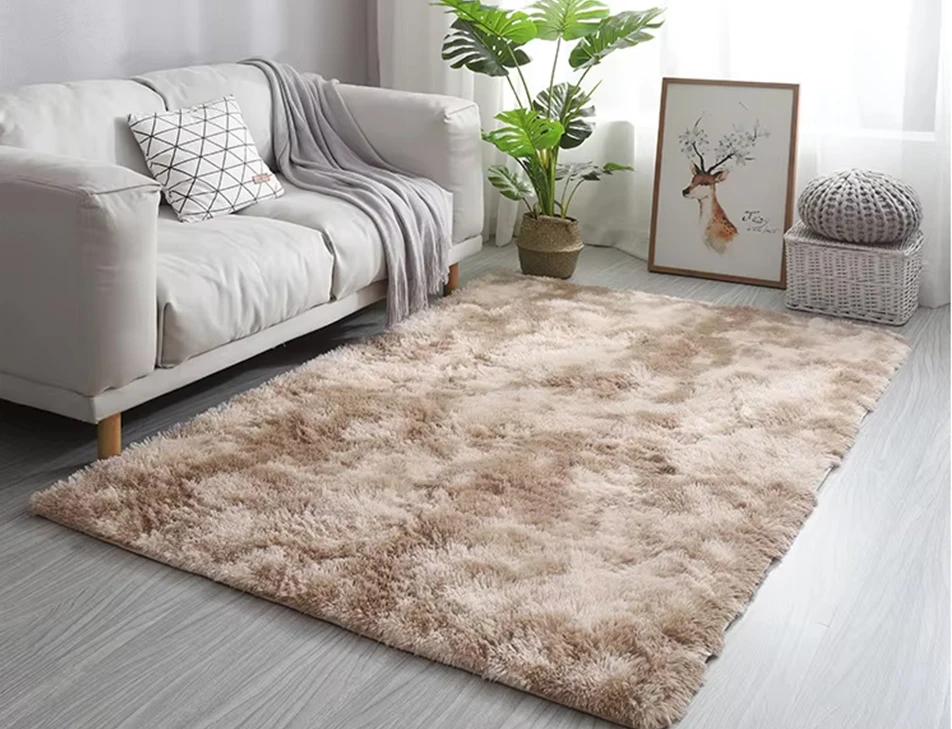
Hard wearing carpet for living rooms represents a critical floor covering solution demanding a complex interplay of durability, aesthetic appeal, and occupant comfort. Unlike low-traffic area rugs, living room carpets are subjected to sustained foot traffic, potential impact from furniture, and the general wear and tear associated with a central communal space. This guide provides an in-depth technical analysis of these carpets, focusing on material composition, manufacturing processes, performance characteristics, failure modes, and relevant industry standards. The selection of appropriate carpet construction and fiber type is paramount to mitigating premature degradation and maximizing service life, a key concern for both residential and commercial applications where long-term cost-effectiveness is prioritized. This analysis will dissect the key performance indicators – abrasion resistance, pile retention, stain resistance, and dimensional stability – to furnish a comprehensive understanding of hard wearing carpet suitability for high-use living room environments.
Material Science & Manufacturing
The durability of hard wearing carpet is fundamentally dictated by the materials utilized and the precision of the manufacturing process. Common fiber types include nylon (specifically Type 6 and Type 6,6), polypropylene (olefin), polyester (PET), and increasingly, triexta (PTT). Nylon 6,6 exhibits superior resilience, abrasion resistance (typically exceeding 80,000 Wyzenbeek double rubs), and inherent stain resistance due to its molecular structure. However, it is hygroscopic, meaning it readily absorbs moisture, potentially leading to mold growth and dimensional instability if not properly treated. Polypropylene, while cost-effective and inherently stain-resistant, possesses lower resilience and abrasion resistance (around 30,000 - 50,000 Wyzenbeek double rubs). Polyester offers good aesthetic qualities but has limited resilience and is prone to crushing under heavy loads. Triexta presents a balance of properties, offering inherent stain resistance, good resilience, and a lower environmental footprint than traditional nylon.
Manufacturing primarily involves tufting, weaving, or knitting. Tufting is the most prevalent method, employing needles to insert yarn through a primary backing material (typically polypropylene). The density of the tufts – measured in tufts per square inch (TPI) – directly correlates to carpet durability. Woven carpets, while more expensive, exhibit superior structural integrity due to the interlacing of warp and weft yarns. Backing materials are crucial; a robust secondary backing (often jute, synthetic latex, or polyurethane foam) provides dimensional stability and cushioning. Solution dyeing, where colorants are incorporated into the fiber during extrusion, offers superior colorfastness compared to piece dyeing. Key parameter control during manufacturing includes yarn tension, pile height, gauge (yarns per inch), and backing adhesion strength. Inconsistent parameters can lead to pile shedding, delamination, and reduced performance.

Performance & Engineering
The performance of hard wearing carpet is governed by several critical engineering considerations. Abrasion resistance, as previously noted, is a key indicator of durability, directly related to fiber tenacity and pile construction. Force analysis reveals that sustained foot traffic generates shear stress within the pile fibers, leading to gradual degradation. Pile retention – the ability of the carpet to hold its original pile height and density – is directly impacted by the yarn’s resilience and the backing’s structural integrity. Environmental resistance encompasses factors such as lightfastness (resistance to fading from UV exposure), moisture resistance (preventing mold and mildew growth), and resistance to chemical degradation from cleaning agents. Compliance requirements, particularly for residential applications, often mandate adherence to flammability standards (e.g., testing per DOC FF1-70) and VOC emission limits (e.g., CARB Section 01350). The carpet’s overall structural integrity must withstand cyclical loading – the repeated compression and relaxation caused by foot traffic and furniture placement – without significant deformation or fiber breakage. The impact resistance is also essential, determined by the carpet’s ability to absorb energy from falling objects.
Technical Specifications
| Property | Nylon 6,6 | Polypropylene (Olefin) | Polyester (PET) | Triexta (PTT) |
|---|---|---|---|---|
| Abrasion Resistance (Wyzenbeek Double Rubs) | 80,000+ | 30,000-50,000 | 40,000-60,000 | 60,000-70,000 |
| Pile Retention | Excellent | Fair | Good | Very Good |
| Stain Resistance (inherent) | Good | Excellent | Fair | Excellent |
| Moisture Absorption (%) | 8.5 | 0.5 | 1.0 | 0.3 |
| Tensile Strength (lbs/in) | 100-120 | 60-80 | 70-90 | 80-100 |
| Dimensional Stability (change after 24 hrs @ 70°F & 50% RH) | +/- 0.2% | +/- 0.1% | +/- 0.3% | +/- 0.15% |
Failure Mode & Maintenance
Common failure modes in hard wearing carpet include fiber breakage due to abrasion, pile crushing from sustained loading, delamination of the backing layers, and discoloration from UV exposure or staining. Fatigue cracking can occur in the tufts, particularly in high-traffic areas. Delamination is frequently caused by inadequate adhesive strength between the primary and secondary backing or moisture ingress. Oxidation of the fibers, especially nylon, can lead to brittleness and reduced performance over time. Staining, if not addressed promptly, can permanently damage the fibers and compromise aesthetic appearance.
Preventative maintenance is crucial. Regular vacuuming (at least twice weekly) removes abrasive dirt and debris that accelerate wear. Prompt stain removal using appropriate cleaning agents is essential. Professional hot water extraction (steam cleaning) should be performed every 12-18 months to deep clean the carpet and restore pile resilience. Rotation of furniture helps to distribute wear evenly. Applying a carpet protector can enhance stain resistance and prolong service life. In cases of significant damage, localized repair (e.g., patching) may be feasible, but widespread delamination or fiber loss typically necessitates full replacement. Inspection for loose tufts and prompt re-tufting are also recommended. Avoiding harsh chemicals and abrasive cleaning methods is critical to preserving fiber integrity.
Industry FAQ
Q: What fiber type provides the best long-term durability for a high-traffic living room?
A: Nylon 6,6 consistently demonstrates superior abrasion resistance and resilience, making it the most durable option for high-traffic areas. While more expensive upfront, its extended lifespan and ability to withstand significant wear and tear typically result in a lower total cost of ownership.
Q: How does pile height affect carpet durability?
A: Generally, a lower pile height (less than 0.5 inches) offers better durability in high-traffic areas. Shorter piles are less susceptible to crushing and matting. However, very low piles may feel less luxurious underfoot. A cut pile construction generally exhibits better durability than a loop pile, as loop piles can unravel with wear.
Q: What is the importance of the carpet backing system?
A: The backing system provides crucial dimensional stability and structural support. A robust secondary backing, particularly one incorporating polyurethane foam, is essential for preventing delamination and maintaining the carpet's shape over time. The adhesion strength between the primary and secondary backing is a critical performance indicator.
Q: How can I mitigate the risk of staining?
A: Solution dyeing is the most effective method for preventing staining, as the color is incorporated into the fiber during manufacturing. Applying a high-quality carpet protector after installation provides an additional layer of defense against spills and stains. Prompt cleanup of spills is crucial to prevent permanent discoloration.
Q: What are the key considerations when selecting a carpet for a home with pets?
A: Stain resistance is paramount. Triexta offers excellent inherent stain resistance, specifically against pet accidents. Consider a tightly woven or tufted carpet construction to prevent pet claws from snagging the fibers. Regular vacuuming is essential to remove pet hair and dander.
Conclusion
The selection of hard wearing carpet for a living room necessitates a holistic understanding of material science, manufacturing processes, and performance characteristics. Nylon 6,6 remains the gold standard for durability, but advancements in triexta technology offer a compelling alternative with enhanced stain resistance and a reduced environmental footprint. Proper installation, preventative maintenance, and a thorough evaluation of traffic patterns and usage demands are paramount to maximizing carpet lifespan and ensuring long-term aesthetic appeal. Choosing the correct carpet construction, pile height, and backing system directly correlates to its ability to withstand the rigors of daily use.
Future trends in carpet technology will likely focus on sustainable materials, improved stain resistance, and enhanced resilience. Bio-based fibers and closed-loop manufacturing processes are gaining traction as manufacturers seek to reduce their environmental impact. The development of self-cleaning carpets and antimicrobial treatments represents an ongoing area of research. Ultimately, a well-informed selection process, coupled with diligent maintenance, will yield a durable, comfortable, and aesthetically pleasing living room floor covering.