


High End Carpet Performance Analysis
Introduction
High-end carpets represent a specialized segment within the broader floor covering industry, characterized by superior materials, complex construction techniques, and a focus on aesthetic and performance longevity. Technically positioned between commodity carpets and bespoke rug manufacturing, high-end carpets serve commercial and high-residential applications demanding durability, acoustic performance, and enhanced visual appeal. These carpets utilize advanced fiber technologies, intricate weaving or tufting patterns, and often incorporate specialized backing systems. Core performance characteristics center around pile retention, stain resistance, wear resistance (measured in traffic units), and dimensional stability. A key distinguishing factor is the extended product lifecycle and reduced total cost of ownership compared to lower-tier alternatives, despite the higher initial investment.
Material Science & Manufacturing
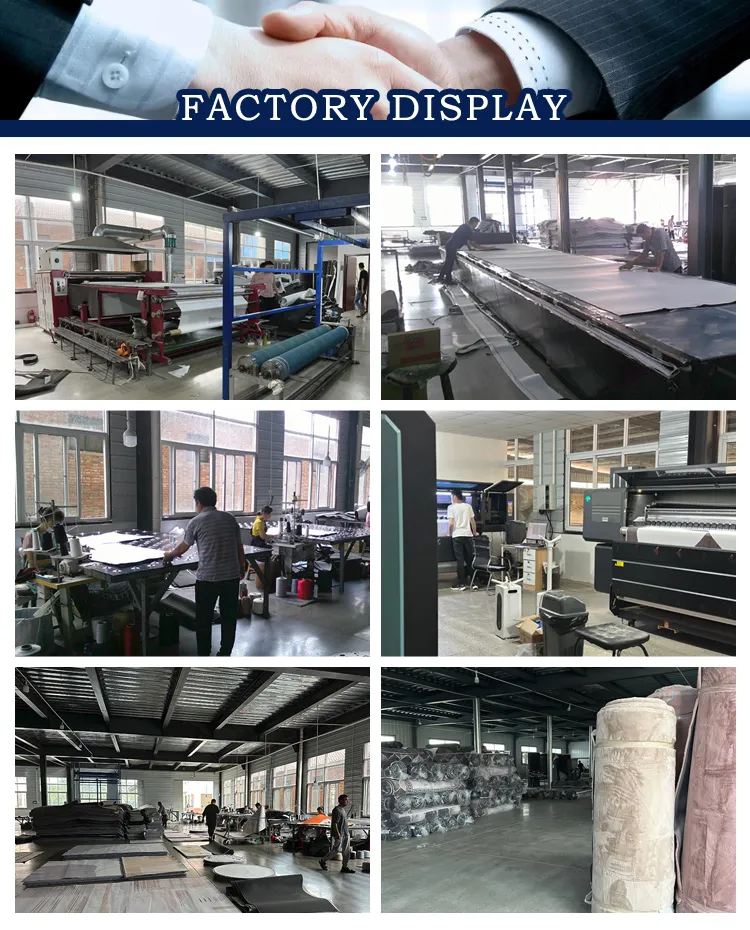
The foundation of high-end carpet lies in advanced materials. Primary fibers include New Zealand wool, known for its resilience, crimp, and natural stain resistance; solution-dyed nylon, offering exceptional colorfastness and abrasion resistance; and increasingly, polypropylene and PET (polyethylene terephthalate) fibers derived from recycled sources. Wool’s inherent scale structure contributes to its ability to trap dirt and resist matting, while solution-dyed nylon’s pigment is integrated within the fiber, preventing fading. Manufacturing processes vary significantly. Woven carpets, historically the most prestigious, involve interlacing warp and weft yarns on looms, allowing for intricate designs and exceptional durability. Tufting, a more economical method, involves inserting yarns through a primary backing, then securing them with a secondary backing. Cut pile, loop pile, and cut-and-loop pile constructions influence aesthetics and performance. Key parameter control during tufting includes gauge (yarn spacing), density (stitches per inch), and pile height. Dyeing processes utilize sophisticated formulations and precise color control to achieve desired shades and patterns. Backing materials, typically polypropylene or jute, are critical for dimensional stability and durability, often incorporating foam layers for cushioning and sound absorption. Heat-setting stabilizes the pile, preventing unraveling and maintaining shape.
Performance & Engineering
Performance engineering in high-end carpets focuses on several key areas. Force analysis considers compressive strength (resistance to flattening under load), tensile strength (resistance to tearing), and peel strength (adhesion between layers). These parameters directly impact the carpet’s ability to withstand foot traffic and maintain its appearance. Environmental resistance encompasses resistance to UV fading, moisture absorption, and microbial growth. Solution-dyed fibers and UV stabilizers mitigate fading. Closed-cell foam backing systems limit moisture penetration, preventing mold and mildew. Compliance requirements dictate adherence to flammability standards (e.g., NFPA 253 for commercial carpets), VOC emission limits (e.g., Green Label Plus certification), and ADA accessibility guidelines (relating to pile height and transition thresholds). Acoustic performance is engineered through pile density, fiber type, and backing materials. Higher pile density and thicker backing contribute to greater sound absorption, reducing noise reverberation. Installation techniques, such as proper stretching and seaming, are also critical for long-term performance. Consideration is given to substrate compatibility and underlayment selection to optimize cushioning and stability.
Technical Specifications
| Parameter | Unit | New Zealand Wool | Solution-Dyed Nylon |
|---|---|---|---|
| Pile Weight | oz/yd² | 32-48 | 28-40 |
| Pile Height | inches | 0.5 - 0.75 | 0.4 - 0.6 |
| Density | stitches/inch² | 80-120 | 100-150 |
| Wear Resistance (Traffic Units) | cycles | 200,000 - 300,000 | 300,000 - 500,000 |
| Moisture Regain | % | 14-18 | 3.5-4.5 |
| Dimensional Stability (Change in Length) | % (after 24 hrs @ 70°F & 50% RH) | ≤ 0.2 | ≤ 0.1 |
Failure Mode & Maintenance
High-end carpets, despite their inherent durability, are susceptible to several failure modes. Fatigue cracking arises from repeated compression, particularly in high-traffic areas, leading to fiber breakage and pile loss. Delamination occurs when the backing system separates from the pile, often due to adhesive failure or moisture ingress. Degradation of fibers, especially natural fibers like wool, can result from UV exposure, oxidation, and enzymatic attack. Stain penetration, even with stain-resistant treatments, can occur with prolonged exposure to certain substances. Oxidation of nylon fibers can lead to discoloration and brittleness over extended periods. Preventative maintenance is crucial. Regular vacuuming removes abrasive particles that accelerate wear. Prompt stain removal minimizes permanent damage. Periodic professional cleaning restores pile appearance and removes embedded contaminants. Rotation of area rugs distributes wear more evenly. Addressing moisture issues promptly prevents mold growth and backing delamination. For woven carpets, professional restoration services can repair damaged areas and extend the carpet’s lifespan. Periodic professional inspection can identify potential issues before they escalate.
Industry FAQ
Q: What is the primary difference between a woven and tufted high-end carpet in terms of long-term durability?
A: Woven carpets generally exhibit superior long-term durability due to their interlaced construction, which distributes stress more evenly and prevents unraveling. While tufted carpets have improved significantly with advanced tufting technologies and robust backing systems, the inherent construction of a woven carpet provides a higher resistance to delamination and fiber loss over decades of use.
Q: How does solution dyeing impact the performance of nylon carpets compared to piece dyeing?
A: Solution dyeing imparts exceptional colorfastness to nylon carpets. Unlike piece dyeing, where dye is applied to the finished yarn, the pigment is integrated within the fiber itself. This prevents fading from UV exposure, cleaning agents, and general wear and tear, resulting in a carpet that maintains its color vibrancy for a significantly longer period.
Q: What are the key considerations when selecting a backing system for a high-end carpet intended for a high-moisture environment?
A: In high-moisture environments, a closed-cell foam backing system is crucial. This type of backing prevents water absorption, minimizing the risk of mold and mildew growth and preventing delamination. Additionally, a moisture barrier film between the primary and secondary backing can provide an extra layer of protection.
Q: How are the wear resistance ratings (Traffic Units) determined, and what is considered a good rating for a heavy-traffic commercial application?
A: Wear resistance, measured in Traffic Units, is determined using the Wyzenbeek abrasion test. A standardized abrasive wheel is run over the carpet surface, and the number of cycles until significant pile loss is recorded. For heavy-traffic commercial applications, a minimum of 300,000 Traffic Units is recommended, with higher ratings indicating greater durability.
Q: What role do VOC emissions play in the selection of high-end carpets, and what certifications should I look for?
A: VOC (Volatile Organic Compound) emissions are a critical consideration for indoor air quality. Carpets can emit VOCs from adhesives, backing materials, and dyes. Look for certifications like Green Label Plus (by the Carpet and Rug Institute) and Declare, which verify low VOC emissions and promote transparency regarding material ingredients. These certifications ensure a healthier indoor environment.
Conclusion
High-end carpets represent a confluence of material science, advanced manufacturing, and performance engineering. The selection process necessitates a detailed understanding of fiber properties, construction methods, and environmental factors impacting longevity and aesthetic retention. Prioritizing solution-dyed fibers for colorfastness, robust backing systems for dimensional stability, and adherence to stringent industry standards are paramount.
Looking forward, innovations in bio-based fibers, recycled content, and closed-loop manufacturing processes will further enhance the sustainability profile of high-end carpets. Continued advancements in tufting technology and backing system design will drive improvements in performance and cost-effectiveness. The ability to tailor carpet specifications to specific application requirements—considering traffic levels, moisture exposure, and aesthetic preferences—will remain a key differentiator.