

home carpets Performance Analysis
Introduction
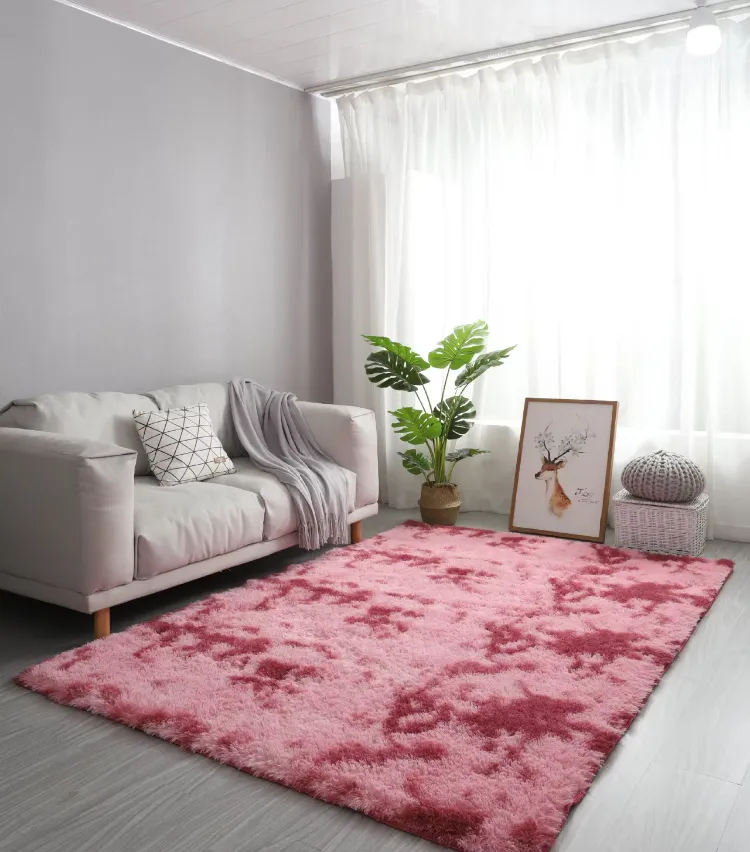
Home carpets represent a significant segment of the broader flooring industry, functioning as both a comfort element and a key component of interior design. Positioned downstream from fiber production and yarn manufacturing, carpets are typically constructed through tufting, weaving, or needle-punching processes. Their primary performance characteristics – durability, resilience, stain resistance, thermal insulation, and acoustic absorption – are dictated by fiber type, construction method, density, and applied finishes. The industry faces persistent challenges regarding sustainable sourcing of materials, reducing volatile organic compound (VOC) emissions, and enhancing product longevity to mitigate landfill waste. A thorough understanding of material science, manufacturing processes, and performance metrics is critical for ensuring optimal carpet selection and long-term functionality in residential and commercial applications.
Material Science & Manufacturing
The foundation of carpet performance lies in its constituent materials. Synthetic fibers, particularly polypropylene (olefin), nylon 6, and polyester, dominate the market due to their cost-effectiveness and performance characteristics. Polypropylene boasts inherent stain resistance but lower resilience. Nylon 6 exhibits excellent abrasion resistance and resilience but is susceptible to staining. Polyester offers a balance of cost, stain resistance, and color retention, though with lower durability than nylon. Wool, a natural fiber, remains a premium choice valued for its inherent resilience, softness, and flame resistance, but its higher cost and susceptibility to moth damage limit its broader application.
Manufacturing processes significantly influence carpet properties. Tufting, the most common method, involves inserting yarn loops through a primary backing material. Loop pile carpets are more durable, while cut pile carpets (created by shearing the loops) offer a softer texture. Weaving interlaces warp and weft yarns, creating a dense and durable structure. Needle-punching mechanically interlocks fibers, resulting in a robust, often non-woven carpet suitable for high-traffic areas. Key parameters in tufting include gauge (yarn spacing), density (stitches per inch), and pile height. Weaving relies on precise yarn tension and pattern control. Regardless of the method, a secondary backing (often latex or polyurethane foam) is applied for stability and cushioning. Dimensional stability is achieved through heat-setting and stabilization processes, preventing shrinkage or distortion during use. Dyeing processes, utilizing synthetic dyes, are critical for achieving desired color and lightfastness. The chemical compatibility between dyes, fibers, and backing materials must be carefully controlled to prevent color bleeding or degradation.
Performance & Engineering
Carpet performance is dictated by a complex interplay of mechanical and environmental factors. Compressive strength, measured by indentation recovery, determines the carpet's ability to resist permanent deformation under furniture weight. Tensile strength, relevant to seam integrity and tear resistance, is affected by yarn type and construction. Abrasion resistance, tested using methods like the Taber Abraser, quantifies the carpet's ability to withstand foot traffic. Resilience, the carpet’s ability to spring back after compression, is crucial for comfort and appearance retention.
Environmental resistance is a paramount concern. Lightfastness, assessed using standardized exposure tests, evaluates color fading due to UV radiation. Water resistance and stain resistance are influenced by fiber characteristics and applied finishes (e.g., fluorochemical treatments). Flammability is a critical safety consideration, governed by standards like NFPA 253. VOC emissions, including formaldehyde and other volatile organic compounds, are regulated to minimize indoor air quality impacts. Force analysis during installation and use reveals stress distribution patterns influencing wear and tear. Compliance requirements vary by region, mandating adherence to flammability standards, VOC emission limits, and labeling regulations. The choice of backing material profoundly influences the carpet’s acoustic properties, impacting sound transmission class (STC) and noise reduction coefficient (NRC).
Technical Specifications
| Property | Polypropylene (Olefin) | Nylon 6 | Polyester | Wool |
|---|---|---|---|---|
| Tensile Strength (psi) | 60-80 | 80-120 | 50-70 | 70-90 |
| Abrasion Resistance (cycles to wear) | 4,000-6,000 | 8,000-15,000 | 5,000-8,000 | 10,000-20,000 |
| Resilience (%) | 40-50 | 60-75 | 50-65 | 70-85 |
| Water Absorption (%) | 0.1-0.5 | 1.5-3.0 | 0.5-1.0 | 15-20 |
| Lightfastness (Rating 1-7) | 5-6 | 6-7 | 5-7 | 7-8 |
| VOC Emissions (µg/m³) | <70 | <70 | <70 | <50 (Naturally low) |
Failure Mode & Maintenance
Common carpet failure modes stem from mechanical stress, environmental exposure, and improper maintenance. Fatigue cracking, particularly in high-traffic areas, results from repeated compression and flexing of the fibers. Delamination, the separation of the primary and secondary backing, often occurs due to adhesive failure exacerbated by moisture. Fiber degradation, caused by UV exposure or chemical attack, leads to color fading and loss of strength. Oxidation, especially in polypropylene carpets, can cause brittleness and discoloration. Stain penetration, if not addressed promptly, can permanently damage fibers.
Preventative maintenance is crucial for extending carpet life. Regular vacuuming removes abrasive dirt and debris. Prompt stain removal prevents permanent damage. Professional hot water extraction (steam cleaning) periodically removes deeply embedded soil. Protecting carpets from direct sunlight minimizes UV degradation. Using entry mats at doorways reduces tracked-in dirt. For delamination, re-adhering the backing with appropriate adhesive may provide temporary repair, but complete replacement is often necessary for significant damage. Addressing spills immediately with appropriate cleaning agents is vital. Periodic professional inspection can identify and address potential problems before they escalate.
Industry FAQ
Q: What is the difference between solution-dyed and piece-dyed carpet and which is more durable?
A: Solution-dyed carpet has color incorporated into the fiber during manufacturing, making it inherently stain-resistant and colorfast, even with heavy wear. Piece-dyed carpet is dyed after it’s been constructed, meaning the color is only on the surface. While piece-dyed carpets can achieve richer colors and patterns, they are generally less durable and more prone to fading and staining. Solution-dyed carpets are demonstrably more durable in high-traffic environments.
Q: How do VOC emissions from carpets affect indoor air quality, and what standards should I be aware of?
A: VOCs emitted from carpets, primarily from adhesives and backing materials, can contribute to indoor air pollution, potentially causing respiratory irritation and other health effects. Key standards to be aware of include CRI Green Label Plus and UL/GreenGuard certification, which ensure low VOC emissions. These certifications verify that a carpet has been tested and meets stringent emission limits.
Q: What is the impact of pile height and density on carpet performance and longevity?
A: Pile height and density are directly correlated with carpet performance and longevity. Higher pile height generally provides a more luxurious feel but can be more prone to crushing. Higher density, meaning more fibers per square inch, translates to improved durability, resilience, and resistance to matting. A higher density carpet will retain its appearance for a longer period, especially in high-traffic areas.
Q: What are the benefits of using recycled content in carpet manufacturing?
A: Utilizing recycled content, such as post-consumer PET bottles or reclaimed nylon, offers significant environmental benefits. It reduces landfill waste, conserves natural resources, and lowers the carbon footprint of carpet production. However, it’s crucial to verify the quality and performance characteristics of recycled-content carpets to ensure they meet required standards.
Q: How does carpet backing material influence its overall performance and suitability for different applications?
A: Carpet backing material plays a vital role in overall performance. Latex backings offer good cushioning and are cost-effective, but may degrade over time. Polyurethane backings provide superior durability, moisture resistance, and dimensional stability, making them ideal for high-traffic areas and demanding applications. Woven backings, typically used in high-end carpets, provide exceptional strength and longevity.
Conclusion
The selection of appropriate home carpeting necessitates a comprehensive understanding of material science, manufacturing processes, and performance specifications. Synthetic fibers currently dominate the market due to their cost-effectiveness and tailored performance characteristics, while wool remains a premium option prized for its natural attributes. Key performance indicators – tensile strength, abrasion resistance, resilience, and environmental resistance – dictate a carpet’s longevity and suitability for specific applications. Proactive maintenance, including regular cleaning and prompt stain removal, is essential for maximizing carpet lifespan and preserving aesthetic appeal.
Looking forward, industry innovation will likely focus on developing sustainable bio-based fibers, reducing VOC emissions, and enhancing carpet recyclability. Adherence to stringent international standards, coupled with a commitment to responsible manufacturing practices, will be critical for ensuring the long-term viability and environmental sustainability of the home carpet industry. Continued research into fiber modifications and advanced backing technologies will further optimize carpet performance and address evolving consumer demands.