

ivory faux sheepskin rug Performance Analysis
Introduction
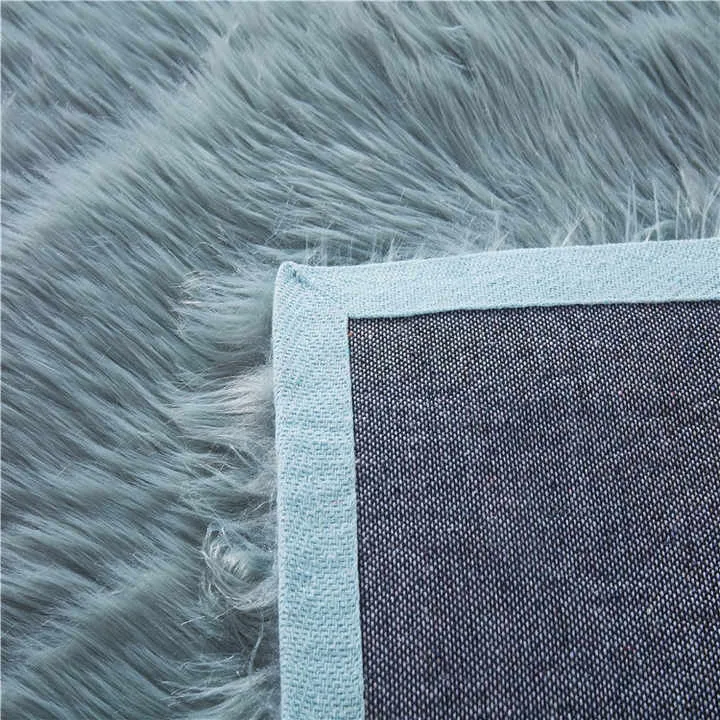
Ivory faux sheepskin rugs represent a significant segment within the broader decorative textiles industry, functioning as both a comfort item and a stylistic element in interior design. Unlike traditional sheepskin, derived from animal hides, these rugs are manufactured using synthetic fibers designed to mimic the look and feel of natural wool. Their technical positioning lies in providing a cruelty-free and often more cost-effective alternative, targeting consumers concerned with animal welfare or budget constraints. Core performance characteristics center around tactile softness, aesthetic appeal, hypoallergenic properties, and ease of maintenance, which distinguish them from other floor coverings such as woven rugs or hardwood flooring. The manufacturing process, while appearing simple, involves complex fiber engineering and bonding techniques to achieve a durable and realistic sheepskin texture. Understanding the material composition, manufacturing variations, and performance limitations is crucial for ensuring product quality and longevity. This guide provides a comprehensive technical overview of ivory faux sheepskin rugs, covering material science, manufacturing processes, performance characteristics, potential failure modes, and relevant industry standards.
Material Science & Manufacturing
The primary material utilized in the production of ivory faux sheepskin rugs is typically a synthetic fiber, most commonly acrylic or polyester. Acrylic fibers offer a superior resemblance to natural wool in terms of texture and warmth, owing to their inherent bulkiness and crimp. Polyester, while less closely mimicking natural wool, presents advantages in durability, stain resistance, and cost-effectiveness. The raw materials undergo several processing steps. Acrylic, derived from acrylonitrile, requires polymerization and fiber spinning. Polyester is synthesized through the esterification of ethylene glycol and terephthalic acid, followed by melt spinning. The resulting fibers are then processed to create a pile structure. This often involves tufting or needle punching onto a backing material. Tufting, a method where fibers are inserted through a primary backing, creates a denser pile. Needle punching interlocks fibers using barbed needles, resulting in a more compact and durable construction. The backing material, commonly polypropylene or jute, provides structural integrity and prevents unraveling. A crucial parameter control during manufacturing involves fiber denier (fineness) which dictates the softness and feel of the rug; lower denier values correspond to finer, softer fibers. Pile height, controlled during the tufting or needle punching process, affects the rug’s overall aesthetic and thermal insulation. Finally, a latex or polyurethane coating is applied to the backing for enhanced adhesion and non-slip properties. Achieving a consistent ivory color necessitates careful dye selection and application techniques, ensuring uniform pigmentation and resistance to fading.
Performance & Engineering
The performance of an ivory faux sheepskin rug is evaluated based on several key engineering principles. Tactile performance, directly related to the pile density and fiber fineness, impacts the perceived softness and comfort. Force analysis reveals that the rug’s ability to distribute weight and provide cushioning is dependent on the compression modulus of the fibers and the backing material. Environmental resistance is paramount, particularly concerning UV exposure and temperature fluctuations. Acrylic fibers, while offering a wool-like feel, exhibit lower UV resistance compared to polyester, potentially leading to fading or degradation over time. Temperature stability is also a consideration; extreme temperatures can affect the fiber’s structural integrity and dimensional stability. Compliance requirements vary depending on the target market. In the US, flammability standards (16 CFR Part 1610) dictate the rug’s resistance to ignition and flame spread. European standards (EN 13501-1) address similar fire safety concerns. Antimicrobial properties, often achieved through the incorporation of additives during manufacturing, enhance hygiene and prevent the growth of mold and mildew, particularly in humid environments. Static electricity buildup is another performance characteristic; anti-static treatments can mitigate this issue. The rug’s dimensional stability, measured by its resistance to shrinkage or stretching, is crucial for maintaining its shape and appearance during use and cleaning. The rug’s construction must be engineered to withstand repeated foot traffic and maintain pile integrity, preventing excessive matting or fiber loss.
Technical Specifications
| Parameter | Acrylic Fiber | Polyester Fiber | Unit |
|---|---|---|---|
| Fiber Denier | 0.9 - 3.0 | 1.5 - 5.0 | dtex |
| Pile Height | 20 - 60 | 15 - 50 | mm |
| Pile Density | 800 - 1500 | 600 - 1200 | grams/m² |
| Backing Material | Polypropylene/Jute | Polypropylene/Jute | - |
| Tensile Strength (Fiber) | 60 - 90 | 70 - 100 | cN/tex |
| UV Resistance (Rating 1-5, 5 being highest) | 2 | 4 | - |
Failure Mode & Maintenance
Ivory faux sheepskin rugs are susceptible to several failure modes. Fatigue cracking can occur in the backing material due to repeated compression and flexing, particularly in high-traffic areas. Delamination, the separation of the pile from the backing, is often caused by adhesive failure resulting from moisture exposure or mechanical stress. Degradation of the synthetic fibers can manifest as discoloration, brittleness, or loss of pile integrity, primarily due to UV exposure or prolonged contact with harsh chemicals. Oxidation, particularly in acrylic fibers, can lead to yellowing and a reduction in softness. Matting, the flattening of the pile, is a common issue caused by foot traffic and insufficient fluffing. Maintenance is crucial for extending the rug’s lifespan. Regular vacuuming is essential to remove dust and debris, preventing fiber entanglement and matting. Spot cleaning with a mild detergent and water is recommended for localized stains; avoid harsh chemicals or abrasive cleaners. Professional cleaning is advisable for deep cleaning and restoration of pile loft. Avoiding direct sunlight exposure minimizes UV degradation. Rotating the rug periodically helps distribute wear evenly. For delamination, re-adhering the pile with a suitable rug adhesive can provide a temporary repair, but complete replacement is often necessary for severe cases. Preventative measures, such as using rug pads, can minimize compression and wear, extending the rug's functional life.
Industry FAQ
Q: What is the primary difference between acrylic and polyester faux sheepskin rugs in terms of longevity?
A: While both materials offer durability, polyester generally exhibits superior longevity due to its higher resistance to UV degradation and abrasion. Acrylic fibers are more prone to fading and may become brittle over time with prolonged sun exposure, impacting the rug’s aesthetic appearance and structural integrity.
Q: How does the backing material affect the rug’s performance and potential for failure?
A: The backing material provides crucial structural support. Jute backings, while eco-friendly, are susceptible to moisture damage and degradation. Polypropylene backings offer better water resistance and durability. Failure of the backing, such as cracking or delamination, compromises the rug’s overall integrity and can lead to unraveling of the pile.
Q: What cleaning agents should be avoided to prevent damage to the fibers?
A: Harsh chemicals, such as bleach, ammonia, and solvent-based cleaners, should be strictly avoided. These agents can cause discoloration, fiber degradation, and damage to the backing. Always use a mild detergent specifically designed for synthetic fibers and test it in an inconspicuous area before applying it to the entire rug.
Q: Are faux sheepskin rugs inherently hypoallergenic, and if so, to what extent?
A: Faux sheepskin rugs are generally considered more hypoallergenic than natural sheepskin, as they do not contain lanolin, a common allergen found in wool. However, dust and allergens can still accumulate within the pile, necessitating regular vacuuming to maintain hypoallergenic properties. The fiber type and weave density can also influence allergen retention.
Q: What flammability standards typically apply to faux sheepskin rugs in the US and Europe?
A: In the US, 16 CFR Part 1610 governs the flammability of carpets and rugs. In Europe, EN 13501-1 provides a classification system for reaction to fire, evaluating flame spread and smoke production. Compliance with these standards is essential for ensuring consumer safety and market access.
Conclusion
Ivory faux sheepskin rugs provide a viable and increasingly popular alternative to natural sheepskin, offering aesthetic appeal, comfort, and ease of maintenance. Their performance characteristics are intrinsically linked to the material science of the synthetic fibers employed – predominantly acrylic and polyester – and the manufacturing processes used to create the pile structure and bonding to the backing. Understanding the inherent limitations of each fiber type, particularly concerning UV resistance and abrasion, is critical for assessing long-term durability.
Future development in this sector will likely focus on enhancing fiber technologies to improve UV stability, stain resistance, and overall lifespan. Sustainable manufacturing practices, including the use of recycled materials and biodegradable backings, are also expected to gain prominence. The continued refinement of manufacturing processes will further enhance the realism of the faux sheepskin texture and improve the overall performance characteristics, solidifying its position as a competitive option within the decorative textiles market.