

large faux animal skin rugs Performance Analysis
Introduction
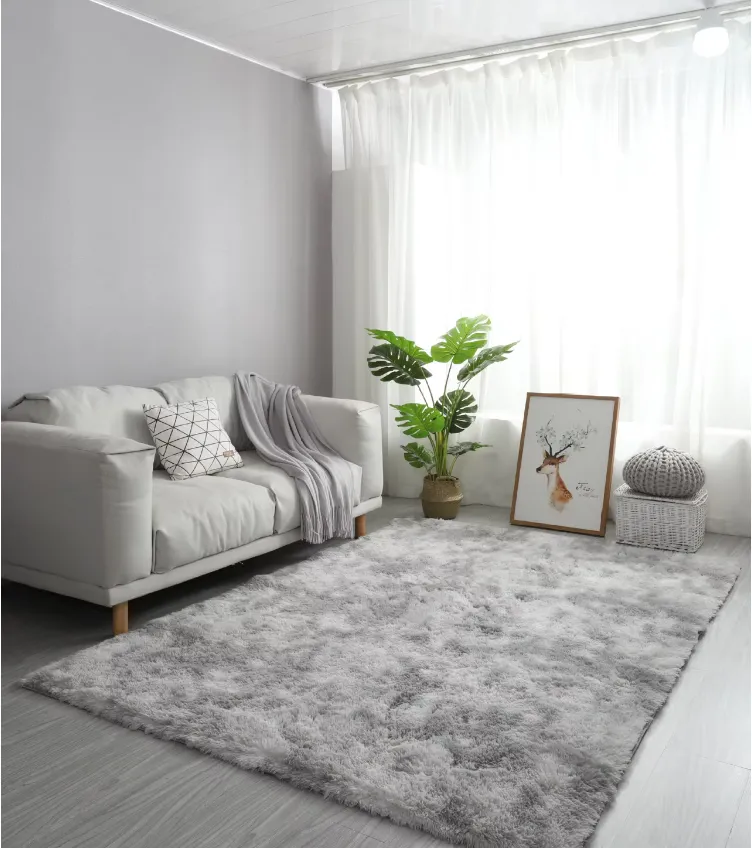
Large faux animal skin rugs represent a significant segment within the decorative floor coverings market, offering an aesthetic alternative to genuine animal hides. These rugs are constructed from synthetic materials designed to mimic the appearance, texture, and perceived warmth of natural animal skins, catering to consumers seeking luxury without ethical or sustainability concerns. Positioned within the broader textile and interior design industries, their performance is evaluated based on durability, visual fidelity, ease of maintenance, and cost-effectiveness. Core performance characteristics revolve around mimicking the tactile experience of real fur while resisting wear, staining, and degradation. The market is driven by increasing consumer awareness regarding animal welfare and a growing demand for affordable, stylish home décor options. This guide provides an in-depth technical analysis of large faux animal skin rugs, covering material science, manufacturing processes, performance attributes, failure modes, and relevant industry standards.
Material Science & Manufacturing
The primary material used in the production of large faux animal skin rugs is typically a blend of polyester and acrylic fibers. Polyester provides the foundational strength, abrasion resistance, and colorfastness, while acrylic contributes to the softness, bulk, and realistic texture mimicking animal fur. The specific ratio of polyester to acrylic varies based on the desired price point and performance characteristics. Lower-cost rugs often utilize a higher percentage of polyester, while premium products prioritize acrylic content. Backing materials commonly include jute, polypropylene, or felt, providing structural support and preventing slippage. The manufacturing process begins with fiber extrusion, where molten polymers are forced through spinnerets to create continuous filaments. These filaments are then drawn, crimped, and cut to the desired length. Next, the fibers are tufted or woven into a primary backing material. Tufting involves inserting fibers through the backing using needles, creating a looped or cut pile. Woven rugs are produced by interlacing warp and weft yarns. Following tufting or weaving, a secondary backing is applied, often coated with a latex or polyurethane adhesive for enhanced durability and stability. A crucial parameter is pile height, directly impacting the rug’s softness and aesthetic resemblance to natural fur. Another critical parameter is fiber denier (weight per unit length), influencing the overall texture and feel. The dyeing process utilizes synthetic dyes formulated for polyester and acrylic, ensuring colorfastness and resistance to fading. Precise control of dyeing temperature, pH, and dye concentration is essential to achieve consistent color saturation and prevent dye migration. The final step involves shearing the pile to achieve the desired uniformity and aesthetic appearance.

Performance & Engineering
The performance of large faux animal skin rugs is evaluated based on several key engineering parameters. Tensile strength, measured in Newtons (N) or pounds-force (lbf), determines the rug’s resistance to tearing and deformation under stress. Elongation at break, expressed as a percentage, indicates the rug’s ability to stretch before fracturing. Abrasion resistance, assessed using methods like the Taber abrasion test (measured in cycles to failure), quantifies the rug’s durability against surface wear. Colorfastness to light and washing is critical, evaluated according to standards like ISO 105. Pile retention, measuring the percentage of fibers remaining after repeated use, indicates the rug’s ability to maintain its aesthetic appearance. Flammability is a significant safety concern, with performance evaluated against standards like ASTM D2859. The rug's weight per unit area (grams per square meter or ounces per square yard) contributes to its perceived quality and stability. Environmental resistance is also key; resistance to UV degradation, moisture absorption, and mildew growth are critical in extending service life. The rug’s coefficient of friction, both wet and dry, impacts slip resistance and safety. Force analysis during manufacturing must account for the tension applied during tufting or weaving to prevent yarn breakage and ensure dimensional stability. Compliance requirements include adherence to regulations regarding volatile organic compound (VOC) emissions, particularly in indoor environments, and restrictions on the use of certain chemicals like formaldehyde. The selection of backing materials influences the rug's overall dimensional stability and resistance to warping or curling.
Technical Specifications
| Parameter | Typical Value (Low-End Rug) | Typical Value (Mid-Range Rug) | Typical Value (High-End Rug) |
|---|---|---|---|
| Fiber Composition (Polyester/Acrylic) | 80/20 | 60/40 | 30/70 |
| Pile Height (mm) | 25-35 | 40-50 | 55-70 |
| Density (g/m²) | 800-1200 | 1500-2000 | 2200-3000 |
| Tensile Strength (N/5cm) | 150-200 | 250-300 | 350-450 |
| Abrasion Resistance (Taber Cycles) | 500-800 | 1000-1500 | 1800-2500 |
| Colorfastness to Light (Rating 1-5) | 3-4 | 4-5 | 5 |
Failure Mode & Maintenance
Large faux animal skin rugs are susceptible to several failure modes. Fiber shedding is a common issue, particularly during initial use, resulting from loose fibers detaching from the pile. Matting and crushing occur due to prolonged compression, flattening the pile and reducing its loft. Abrasion wear leads to fiber breakage and thinning of the pile, especially in high-traffic areas. UV degradation causes fading and embrittlement of the fibers, particularly when exposed to direct sunlight. Staining, from spills or dirt, can be challenging to remove, depending on the dye chemistry and the nature of the stain. Delamination of the backing material can occur due to adhesive failure, leading to structural instability. Oxidation of the synthetic fibers can result in discoloration and loss of flexibility over time. Regular vacuuming is crucial to remove loose dirt and debris, preventing abrasive wear. Spot cleaning with a mild detergent and water is recommended for spills. Avoid harsh chemicals or abrasive cleaners, as they can damage the fibers. Professional cleaning is recommended annually or bi-annually to remove embedded dirt and restore the pile’s appearance. Rotate the rug periodically to distribute wear evenly. Protect the rug from direct sunlight to minimize UV degradation. Address spills immediately to prevent staining. When storing the rug, roll it loosely and store it in a cool, dry place. Consider using rug pads to provide cushioning, prevent slippage, and protect the underlying flooring.
Industry FAQ
Q: What is the primary difference between polyester and acrylic fibers in terms of faux fur rug performance?
A: Acrylic fibers provide superior softness and a more realistic tactile feel, closely mimicking the texture of natural animal fur. However, polyester offers better abrasion resistance, colorfastness, and is generally more cost-effective. A blend of both materials aims to balance these properties, optimizing both comfort and durability.
Q: How does pile height affect the rug’s durability and maintenance requirements?
A: Higher pile heights generally provide a more luxurious feel but are more prone to matting and crushing in high-traffic areas. They also require more frequent and thorough vacuuming to maintain their appearance. Lower pile heights are more durable and easier to clean but may lack the same level of softness and visual appeal.
Q: What are the common causes of fading in faux fur rugs, and how can it be prevented?
A: Fading is primarily caused by exposure to ultraviolet (UV) radiation from sunlight. To prevent fading, minimize direct sunlight exposure by using curtains, blinds, or placing the rug in a shaded area. Rugs dyed with UV-resistant pigments exhibit improved fade resistance.
Q: What are the implications of VOC emissions from faux fur rugs, and what certifications should I look for?
A: Some faux fur rugs may emit volatile organic compounds (VOCs) during manufacturing and off-gassing. These VOCs can contribute to indoor air pollution. Look for certifications like OEKO-TEX Standard 100, which ensures the rug has been tested for harmful substances and meets stringent emission limits.
Q: How do different backing materials impact the rug’s overall performance and longevity?
A: Jute backings are natural, breathable, and relatively inexpensive, but can be susceptible to moisture damage and decay. Polypropylene backings are more durable and water-resistant. Felt backings provide cushioning and noise reduction but may not be as dimensionally stable as other options. The choice of backing material significantly influences the rug’s overall lifespan and suitability for different environments.
Conclusion
Large faux animal skin rugs represent a complex interplay of material science, manufacturing techniques, and performance engineering. Achieving a balance between aesthetic appeal, durability, and cost-effectiveness requires careful consideration of fiber composition, pile height, backing materials, and dyeing processes. Understanding the potential failure modes and implementing appropriate maintenance strategies are crucial for extending the rug’s service life and preserving its visual integrity. The selection criteria should prioritize not only the initial aesthetic but also long-term performance attributes such as abrasion resistance, colorfastness, and resistance to environmental degradation.
Future development in this sector will likely focus on utilizing recycled and bio-based materials to enhance sustainability, exploring innovative fiber technologies for improved softness and durability, and developing advanced dyeing techniques to minimize environmental impact. The continued demand for ethical and affordable home décor options will drive further innovation in the production of high-quality, long-lasting faux animal skin rugs.