

luxury carpets for living room Performance Analysis
Introduction
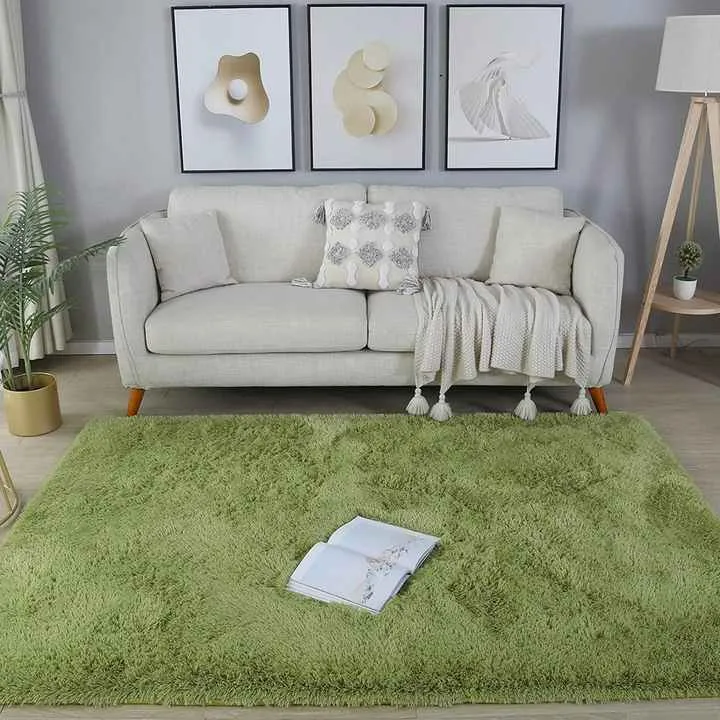
Luxury carpets for living rooms represent a significant investment in interior design, prioritizing aesthetics, comfort, and durability. Within the broader floor covering industry, these carpets occupy the high-end segment, distinguished by superior materials, complex construction techniques, and often, bespoke designs. This guide details the technical aspects governing their performance, longevity, and selection criteria. Core performance metrics include pile density, fiber composition, wear resistance (measured by the Wyzenbeek test), colorfastness to light and washing, and dimensional stability. The sourcing of raw materials – particularly wool, silk, and increasingly, high-performance synthetic fibers – is critical. This document provides a comprehensive overview for procurement managers, interior designers, and flooring specialists requiring detailed technical understanding.
Material Science & Manufacturing
The core materials influencing luxury carpet performance fall into two primary categories: natural and synthetic fibers. Wool, historically dominant, offers inherent crimp for resilience, excellent bulk, and natural flame retardancy. However, its susceptibility to moth damage and relatively high cost drive demand for alternatives. Silk, used sparingly due to its fragility and cost, delivers unparalleled luster and softness. Synthetic fibers, primarily nylon (specifically Type 6,6), polypropylene, and increasingly, triexta (PTT), offer enhanced durability, stain resistance, and cost-effectiveness. Manufacturing processes vary considerably. Hand-knotted carpets, originating in regions like Persia and India, involve intricate knotting techniques with a high labor cost resulting in exceptional pile density and longevity. Tufted carpets, the most common method, utilize a primary backing material (typically polypropylene) into which yarn is inserted by needles, followed by latex coating and a secondary backing for stability. Woven carpets, using Jacquard looms, allow for complex pattern designs with a denser pile than tufted carpets. Key parameter control during manufacturing includes yarn denier (fiber thickness), twist level (influencing pile definition and crush resistance), and dye fixation (ensuring colorfastness). Latex composition and coating weight are critical for tufted carpet stability, while backing material selection impacts dimensional stability and resistance to delamination.
Performance & Engineering
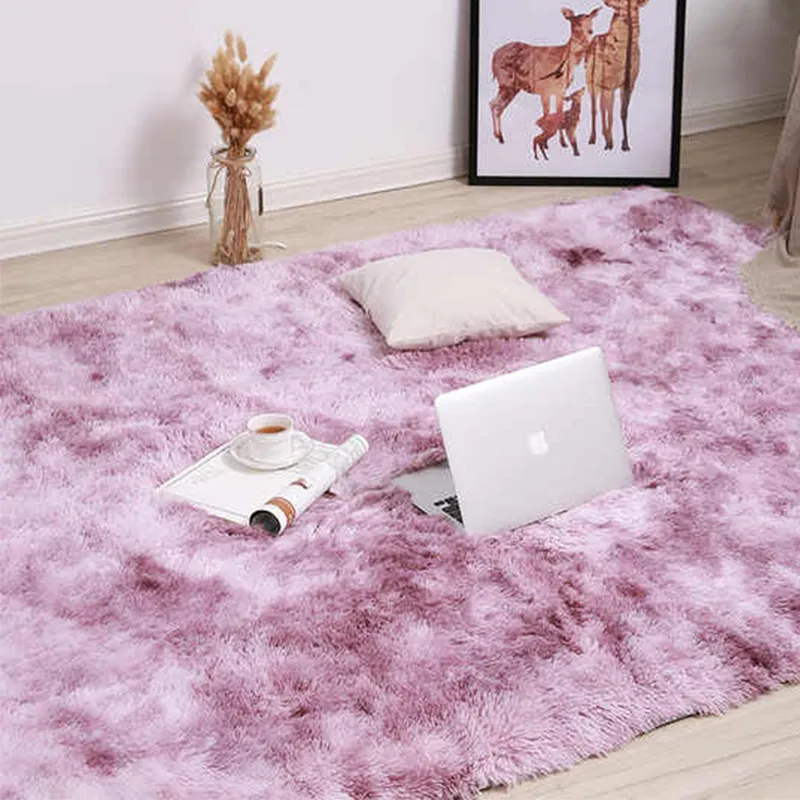
Performance of luxury carpets is dictated by a complex interplay of material properties and engineering considerations. Force analysis focuses on pile compression, rebound resilience, and resistance to crushing under sustained load. This is directly linked to pile density (measured in ounces per square yard or grams per square meter) and fiber crimp. Environmental resistance is crucial, particularly concerning lightfastness (resistance to fading from UV exposure – assessed by the AATCC 16E test), moisture absorption (influencing mold and mildew growth), and stain resistance (dependent on fiber type and applied treatments). Compliance requirements vary by region, with flammability standards (e.g., NFPA 258 in the US, EN 13501-1 in Europe) being paramount. Dimensional stability, assessed through shrinkage testing (ASTM D565), is vital to prevent buckling or distortion. The backing system plays a key role in maintaining structural integrity and preventing delamination. Underlayment selection also significantly impacts performance, providing cushioning, sound insulation, and extending carpet lifespan by absorbing impact forces. Furthermore, the carpet's ability to maintain its appearance level (pile retention) under foot traffic is a critical engineering consideration, determined by the fiber's resilience and the carpet construction method.
Technical Specifications
| Parameter | Wool Carpet (High-End) | Nylon 6,6 Carpet (Luxury Grade) | Silk/Viscose Blend Carpet | Polypropylene/Triexta Blend |
|---|---|---|---|---|
| Pile Density (oz/sq yd) | 80-120 | 70-100 | 60-80 | 50-70 |
| Fiber Denier | 20-24 | 600-1200 | 80-120 (Silk), 150-300 (Viscose) | 400-800 |
| Twist Level (Turns per Inch) | 6-8 | 5-7 | 7-9 | 4-6 |
| Colorfastness to Light (AATCC 16E – Rating 1-5) | 4-5 | 4-5 | 3-4 | 3-4 |
| Stain Resistance (Water-Based) | Fair (Requires Treatment) | Excellent (Inherent) | Poor (Requires Treatment) | Good |
| Dimensional Stability (ASTM D565 – % Change) | ≤0.2% | ≤0.15% | ≤0.3% | ≤0.25% |
Failure Mode & Maintenance
Luxury carpets are susceptible to several failure modes. Fatigue cracking, particularly in high-traffic areas, arises from repeated compression and flexing of the pile fibers. Delamination, especially in tufted carpets, occurs when the latex adhesive fails, separating the pile from the backing. Degradation of natural fibers (wool and silk) can result from insect infestation (moths), UV exposure (fading), and hydrolysis (breakdown of fiber structure due to moisture). Oxidation of synthetic fibers, while slower, can lead to embrittlement and discoloration. Common maintenance solutions include regular vacuuming (using a HEPA filter to prevent dust and allergen buildup), professional steam cleaning (every 12-18 months), and prompt stain removal (using appropriate cleaning agents for the fiber type). Preventative measures include the use of carpet protectors in high-traffic areas, rotating furniture to distribute wear, and employing mothproofing treatments for wool carpets. For delamination, professional re-gluing is often necessary. Early detection of damage and prompt intervention are crucial to extending the carpet’s lifespan and maintaining its aesthetic appearance. Regular inspection for loose tufts and snagged yarns is also recommended.
Industry FAQ
Q: What is the primary advantage of a higher pile density in a luxury carpet?
A: A higher pile density translates directly to enhanced durability, improved resilience, and a more luxurious underfoot feel. It distributes weight more evenly, reducing wear and tear from foot traffic and minimizing visible footprint marks. A denser pile also contributes to better sound insulation.
Q: How does the choice of backing material impact the longevity of a tufted carpet?
A: The backing material is critical for stability. Woven polypropylene backings offer excellent dimensional stability and resistance to moisture. Jute backings, while more sustainable, are susceptible to moisture damage and microbial growth. Synthetic backings with added treatments for mildew resistance are generally preferred for high-end carpets.
Q: What is the significance of colorfastness ratings, and what testing standards are most relevant?
A: Colorfastness ratings indicate a carpet’s resistance to fading from light, washing, and other environmental factors. The AATCC 16E test (colorfastness to light) is the industry standard, with ratings ranging from 1 (poor) to 5 (excellent). Higher ratings ensure the carpet maintains its color vibrancy over time.
Q: Can synthetic carpets truly replicate the feel of a high-quality wool carpet?
A: While historically difficult, advancements in synthetic fiber technology, particularly with triexta (PTT), are closing the gap. PTT fibers offer a softer hand feel and inherent stain resistance comparable to wool, though they may not possess the same level of natural resilience.
Q: What are the key considerations when selecting an underlayment for a luxury carpet?
A: The underlayment should complement the carpet’s construction and intended use. Factors to consider include density (for cushioning), thickness (for sound insulation and comfort), and compatibility with the carpet’s backing system. High-density foam or felt underlayments are generally recommended for luxury carpets.
Conclusion
Luxury carpets for living rooms are complex products requiring careful consideration of material science, manufacturing techniques, and performance characteristics. The selection process demands a thorough understanding of fiber properties, construction methods, and compliance standards. Investing in high-quality materials and construction translates directly to increased durability, enhanced aesthetics, and a longer lifespan, justifying the premium price point.
Looking ahead, sustainable sourcing of raw materials and the development of more environmentally friendly manufacturing processes will become increasingly important. Innovation in fiber technology, particularly in bio-based polymers and recycled materials, will drive the next generation of luxury carpets, balancing performance with environmental responsibility. Continued emphasis on rigorous testing and adherence to international standards will ensure consistent quality and performance across the industry.