

luxury faux fur rug Performance Analysis

Introduction
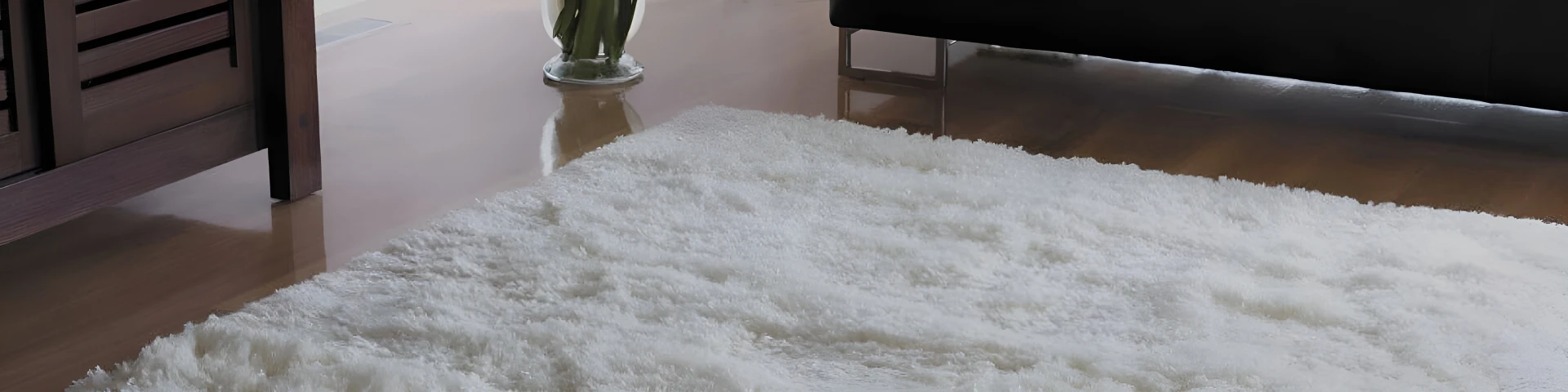
Luxury faux fur rugs represent a significant advancement in interior textile engineering, offering an aesthetic comparable to natural fur while addressing ethical concerns and offering enhanced performance characteristics. Positioned within the broader floor covering industry – encompassing natural fiber rugs, synthetic pile carpets, and specialized textiles – these rugs occupy a niche focused on high-end comfort and visual appeal. Their core performance attributes center on pile density, fiber softness, thermal insulation, and durability. This guide provides a comprehensive technical overview of luxury faux fur rugs, covering material science, manufacturing processes, performance analysis, potential failure modes, and relevant industry standards, geared toward procurement professionals and quality control engineers.
Material Science & Manufacturing
The foundation of a luxury faux fur rug lies in its synthetic fiber composition, primarily utilizing modified polyester (polyethylene terephthalate – PET) or acrylic fibers. Polyester is favored for its inherent strength, resilience, and cost-effectiveness, while acrylic offers a closer tactile resemblance to natural fur due to its bulkiness and crimp. Fiber denier – a unit of measure for fiber fineness – typically ranges from 0.8 to 3.0, influencing the softness and drape of the finished product. Manufacturing commences with polymer extrusion, where the molten polymer is forced through spinnerets to form continuous filaments. These filaments undergo stretching and texturing processes – such as crimping, looping, or curling – to impart the desired pile characteristics. The backing material, usually a non-woven polypropylene or jute fabric, provides structural integrity. The tufting process involves inserting the textured fibers into the backing, followed by a latex adhesive coating to secure the pile. A final shearing and brushing stage refines the pile height and texture, creating the uniform appearance characteristic of luxury faux fur. Parameter control during extrusion (temperature, flow rate) and tufting (stitch density, yarn tension) are critical to achieving consistent quality and performance. The durability is also significantly impacted by the dye used, with solution-dyed fibers offering superior lightfastness and washability compared to yarn-dyed alternatives.
Performance & Engineering
The performance of luxury faux fur rugs is assessed based on several key engineering criteria. Pile compression resistance, measured using a durometer, indicates the rug's ability to maintain its loft and resilience under sustained pressure. Thermal resistance (R-value), determined through standardized heat flow testing (ASTM C518), quantifies the rug's insulating properties. Tensile strength and elongation, evaluated via ASTM D2256, assess the fiber's resistance to tearing and stretching. Colorfastness to light (ASTM D1654) and washing (AATCC 163) are crucial for maintaining aesthetic appearance. Flammability testing (ASTM E84) determines the rug's fire-retardant properties, and compliance with flammability standards (e.g., California Proposition 65) is essential. Static charge build-up can be a concern with synthetic fibers; antistatic treatments, often involving the application of conductive polymers, are employed to mitigate this issue. The rug’s structural integrity, relating to the backing adhesion and fiber anchoring, is subject to peel and shear tests to determine resistance to delamination. Environmental resistance needs consideration, specifically resistance to mold and mildew growth in humid conditions, often aided by antimicrobial treatments during the manufacturing process.
Technical Specifications
| Parameter | Unit | Typical Value (High-End Faux Fur) | Testing Standard |
|---|---|---|---|
| Pile Height | mm | 30-60 | N/A (Visual Inspection) |
| Pile Density | oz/yd² | 800-1500 | ASTM D1569 |
| Fiber Composition | % | 100% Polyester/Acrylic | FTIR Spectroscopy |
| Tensile Strength (Warp/Weft) | lbs | 50-80 / 40-60 | ASTM D2256 |
| Thermal Resistance (R-Value) | m²⋅K/W | 1.0 – 2.0 | ASTM C518 |
| Colorfastness to Light (Rating 1-5) | - | 4-5 | ASTM D1654 |
Failure Mode & Maintenance
Luxury faux fur rugs are susceptible to several failure modes. Pile shedding is a common occurrence, resulting from fiber breakage during use. This is exacerbated by high traffic areas and abrasive cleaning methods. Pile matting – the flattening of fibers – reduces the rug's aesthetic appeal and thermal insulation. Delamination, where the pile separates from the backing, signifies a failure of the adhesive bond. UV degradation, caused by prolonged exposure to sunlight, can lead to fiber discoloration and brittleness. Oxidation of the polymer chains can occur over extended periods, reducing flexibility and increasing susceptibility to cracking. Maintenance practices significantly influence the rug’s lifespan. Regular vacuuming (using a brush-free attachment) removes dust and debris. Spot cleaning with a mild detergent and water is recommended for spills. Professional cleaning, utilizing low-moisture methods, should be performed periodically. Avoid harsh chemicals, excessive heat, and prolonged direct sunlight. To mitigate shedding, consider applying a fiber locking spray, and rotating the rug regularly to distribute wear. Addressing delamination typically requires re-gluing the pile to the backing, ideally by a qualified textile restoration professional.
Industry FAQ
Q: What is the primary difference between polyester and acrylic faux fur, and how does it impact durability?
A: Acrylic fibers generally offer a softer, more natural-like hand feel, but polyester exhibits superior abrasion resistance and tensile strength. This translates to polyester faux fur rugs typically having a longer lifespan and better resistance to wear and tear, particularly in high-traffic areas. While acrylic provides a more luxurious initial feel, polyester offers a more robust long-term performance profile.
Q: How do solution-dyed fibers contribute to the longevity of the rug’s color?
A: Solution dyeing involves incorporating the pigment directly into the molten polymer before fiber extrusion. This process results in a color that is inherently resistant to fading from UV exposure and washing. In contrast, yarn-dyed fibers have color applied to the finished yarn, making the color more susceptible to degradation over time. Solution-dyed rugs retain their vibrancy significantly longer.
Q: What specific testing protocols are essential to verify a faux fur rug’s fire resistance?
A: ASTM E84 (Surface Burning Characteristics) is a crucial test, providing data on flame spread and smoke development. Compliance with local flammability standards, such as California Proposition 65, is also essential. These tests ensure the rug meets safety regulations and minimizes fire hazards.
Q: What is the impact of pile density on thermal insulation and comfort?
A: Higher pile density generally correlates with increased thermal insulation (R-value) due to the greater volume of air trapped within the fibers. This results in a warmer, more comfortable feel underfoot. Additionally, higher density enhances the rug's cushioning and contributes to a more luxurious tactile experience.
Q: What are the typical causes of delamination, and how can it be prevented?
A: Delamination typically results from adhesive failure due to moisture exposure, mechanical stress (e.g., stretching), or inadequate adhesive application during manufacturing. Prevention involves using a high-quality, water-resistant latex adhesive, ensuring proper adhesive coverage, and avoiding excessive moisture or physical strain on the rug.
Conclusion
Luxury faux fur rugs represent a sophisticated blend of material science and textile engineering, providing a compelling alternative to natural fur. The performance characteristics – encompassing thermal insulation, durability, and aesthetic appeal – are directly linked to fiber selection, manufacturing processes, and adherence to rigorous quality control standards. Understanding the technical specifications, potential failure modes, and appropriate maintenance protocols is crucial for maximizing the lifespan and maintaining the aesthetic integrity of these rugs.
As consumer demand for ethical and sustainable products continues to rise, the faux fur rug market is poised for further innovation. Future developments may include the incorporation of recycled materials, bio-based polymers, and advanced fiber technologies to enhance performance and reduce environmental impact. Procurement professionals and engineers should prioritize detailed technical evaluations and comprehensive testing to ensure the selection of high-quality faux fur rugs that meet specific performance requirements and longevity expectations.