


machine washable faux fur rug Performance Analysis
Introduction
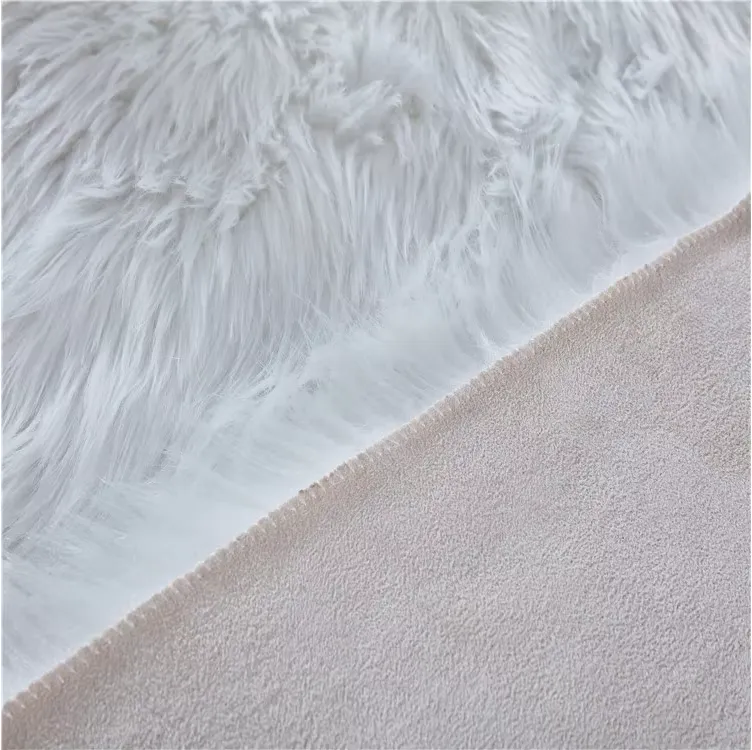
Machine washable faux fur rugs represent a significant evolution in the floor covering industry, bridging the aesthetic appeal of genuine fur with the practicality of modern cleaning methods. Positioned within the broader textiles and home furnishings market, these rugs utilize synthetic fibers engineered to mimic the look and feel of animal fur while offering enhanced durability and ease of maintenance. The core performance characteristics—softness, thermal insulation, and washability—address key consumer pain points associated with traditional area rugs, namely cleaning difficulties and shedding. This guide provides an in-depth technical examination of machine washable faux fur rugs, encompassing material science, manufacturing processes, performance metrics, failure modes, and relevant industry standards. The increasing demand for pet-friendly and hypoallergenic home environments has further propelled the adoption of these rugs, necessitating a thorough understanding of their technical attributes for both manufacturers and end-users.
Material Science & Manufacturing
The foundation of machine washable faux fur rugs lies in the selection and processing of synthetic fibers, primarily polyester (Polyethylene Terephthalate - PET) and polypropylene. Polyester is favored for its inherent softness, dyeability, and resilience. Polypropylene, conversely, offers superior stain resistance and is often used for backing materials. Raw material properties are critical; polyester staple fiber denier typically ranges from 0.8D to 1.5D to achieve the desired pile height and softness. Manufacturing begins with fiber extrusion, where molten polymer is forced through spinnerets to form continuous filaments. These filaments are then cut into staple fibers. The crucial process of pile construction employs knitting or weaving techniques. Knitting, utilizing warp or weft knitting machines, allows for a more open and plush pile structure. Weaving, while offering greater structural integrity, often results in a denser and less voluminous pile. Following pile formation, a crucial step involves the application of a latex or polyurethane backing. This backing provides structural support, prevents fiber shedding, and enhances washability. Parameter control during backing application is paramount: consistent coating weight (typically 800-1200 g/m²) and proper curing temperature (60-80°C) are essential to prevent delamination during laundering. The final stage involves shearing and brushing to achieve the desired pile height, density, and aesthetic appearance. Anti-pilling treatments, based on chemical finishes, are commonly applied to mitigate fiber entanglement and maintain a consistently soft texture.
Performance & Engineering
The performance of machine washable faux fur rugs is dictated by several key engineering considerations. Force analysis focuses on pile resilience, measured via compression set testing (ASTM D3574). Lower compression set values indicate superior recovery after deformation, crucial for maintaining the rug’s plushness. Environmental resistance is assessed through colorfastness testing (ISO 105) to light and washing, evaluating the rug’s ability to retain its color vibrancy under prolonged UV exposure and repeated laundering. Washability, the defining feature, requires rigorous testing following AATCC 135, evaluating dimensional stability, color bleed, and fiber loss after multiple wash cycles. A key design element is the backing material’s adhesion strength to the pile fibers; failure here leads to delamination. Therefore, peel strength tests are conducted (ASTM D1876). Hypoallergenic properties are increasingly important. Fiber selection must minimize allergens and VOC (Volatile Organic Compound) emissions, evaluated through independent laboratory testing. Thermal insulation (R-value) is another performance metric, determined by ASTM C518, impacting the rug's comfort and energy efficiency. The rug’s weight is carefully engineered to balance durability with ease of handling and machine washing limitations. Overly heavy rugs may stress washing machine components and become difficult to manage when wet. Compliance requirements for flammability are governed by standards like CAL 117, ensuring the rug meets safety regulations.
Technical Specifications
| Parameter | Unit | Typical Value (Polyester Pile) | Typical Value (Polypropylene Backing) |
|---|---|---|---|
| Pile Height | mm | 25-50 | N/A |
| Pile Density | g/m² | 600-1200 | N/A |
| Total Weight | kg/m² | 1.0-2.5 | N/A |
| Backing Weight | g/m² | N/A | 800-1200 |
| Wash Shrinkage (After 5 washes) | % | ≤ 3 | ≤ 2 |
| Colorfastness to Washing (Gray Scale Rating) | Rating | 4-5 | N/A |
Failure Mode & Maintenance
Machine washable faux fur rugs are susceptible to several failure modes. Delamination, the separation of the pile from the backing, is a common issue resulting from inadequate adhesive bonding or excessive mechanical stress during washing. This is often exacerbated by the use of harsh detergents or high water temperatures. Fiber shedding, while inherent to synthetic materials, can be accelerated by abrasion and repeated laundering. Pilling, the formation of small fiber balls on the surface, occurs due to fiber entanglement and can be mitigated with anti-pilling finishes, but these eventually degrade. Color fading can result from prolonged UV exposure or the use of chlorine-based bleaching agents. Oxidation of the fibers, particularly polyester, can lead to brittleness and reduced softness over time. Maintenance protocols are crucial. Regular vacuuming (using a suction-only nozzle) removes debris and minimizes abrasion. Machine washing should be conducted on a gentle cycle with cold water and a mild detergent. Avoid fabric softeners, as they can coat the fibers and reduce their softness. Tumble drying on low heat is recommended; excessive heat can damage the fibers and backing. For localized stains, spot cleaning with a mild detergent solution is preferred. Periodic rotation of the rug helps distribute wear evenly and prolong its lifespan. Promptly addressing spills minimizes the potential for staining and fiber damage.
Industry FAQ
Q: What is the optimal water temperature for washing these rugs, and why is it critical?
A: The optimal water temperature is cold (below 30°C / 86°F). Higher temperatures can compromise the adhesive bond between the pile and backing, leading to delamination. Hot water also causes greater fiber shrinkage and can contribute to color bleeding. Maintaining a low temperature preserves the rug's structural integrity and aesthetic qualities.
Q: Are all detergents safe to use on machine washable faux fur rugs?
A: No. Harsh detergents, particularly those containing enzymes, bleach, or fabric softeners, should be avoided. Enzymes can break down the synthetic fibers, while bleach causes color fading and fiber damage. Fabric softeners coat the fibers, reducing their softness and increasing their susceptibility to matting. A mild, pH-neutral detergent specifically formulated for delicate fabrics is recommended.
Q: How does the choice of backing material impact the rug's overall durability and washability?
A: The backing material is crucial. Polyurethane backings generally offer superior adhesion strength and flexibility compared to latex backings, resulting in better resistance to delamination. The weight and density of the backing also contribute to stability. A heavier, denser backing provides greater structural support and prevents excessive stretching or distortion during washing.
Q: What is the expected lifespan of a machine washable faux fur rug, considering typical household use and regular cleaning?
A: With proper care and maintenance, a machine washable faux fur rug can typically last 3-5 years. Lifespan is influenced by factors such as the quality of materials, frequency of washing, and level of foot traffic. Delamination and significant fiber shedding are the primary indicators of end-of-life.
Q: What standards are used to assess the hypoallergenic properties of these rugs?
A: Hypoallergenic claims are typically supported by testing for VOC (Volatile Organic Compound) emissions (e.g., GREENGUARD Gold certification) and allergen containment. Testing for dust mite resistance is also relevant. However, it’s important to note that “hypoallergenic” doesn’t mean “allergy-proof,” but rather that the rug is less likely to trigger allergic reactions compared to materials that harbor allergens.
Conclusion
Machine washable faux fur rugs represent a sophisticated intersection of textile engineering and consumer demand for convenient, aesthetically pleasing home furnishings. The performance characteristics – washability, softness, and durability – are directly linked to the careful selection of raw materials, precise manufacturing processes, and adherence to stringent quality control measures. Understanding the potential failure modes, such as delamination and fiber shedding, is crucial for both manufacturers seeking to improve product longevity and consumers aiming to maximize the lifespan of their rugs through proper maintenance.
Looking forward, advancements in fiber technology, adhesive chemistries, and sustainable manufacturing practices will continue to enhance the performance and environmental profile of these rugs. The integration of smart textile technologies, such as antimicrobial finishes and self-cleaning coatings, may further extend their functionality and appeal. Continued emphasis on rigorous testing and compliance with relevant industry standards will be essential to maintain consumer confidence and drive innovation in this evolving market segment.