

navy faux fur rug Performance Analysis
Introduction
Navy faux fur rugs represent a significant segment within the broader decorative textile industry, functioning as both a luxury comfort item and a statement of interior design. Technically, these rugs are engineered synthetic floor coverings constructed from acrylic, polyester, or modacrylic fibers designed to mimic the appearance and tactile sensation of natural animal fur. Their position within the supply chain involves raw polymer production, fiber extrusion, knitting or weaving, dyeing, and finishing processes. Core performance characteristics center around aesthetic appeal, softness, thermal insulation, and durability – balancing these factors is crucial for market competitiveness. The demand for faux fur reflects consumer preferences for ethical and sustainable alternatives to genuine animal fur, coupled with a desire for affordable luxury. Understanding the intricacies of fiber composition, manufacturing techniques, and performance parameters is critical for both manufacturers and discerning consumers.
Material Science & Manufacturing
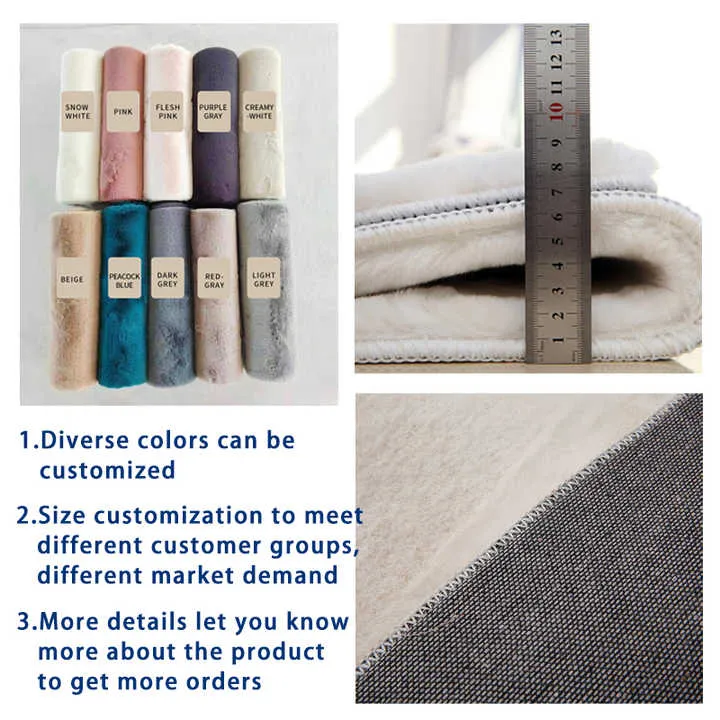
The primary material in navy faux fur rugs is synthetic fiber, most commonly acrylic or a polyester blend. Acrylic fibers (polyacrylonitrile) offer a soft hand-feel and excellent bulk, mimicking the loft of natural fur. However, acrylic exhibits relatively low abrasion resistance and can pill easily. Polyester, on the other hand, provides superior durability and resilience, but generally possesses a less luxurious texture. Modacrylic fibers represent a hybrid, offering a balance of softness, durability, and flame retardancy. The dyeing process employs reactive dyes for acrylic and disperse dyes for polyester, ensuring colorfastness and vibrancy, with navy achieved through precise pigment mixtures. Manufacturing typically involves either knitted or woven constructions. Knitting creates a deeper pile and softer texture, while weaving produces a more structured and durable rug. The pile height, ranging from 20mm to 60mm, significantly impacts the rug's thermal properties and perceived luxury. Critical parameters during manufacturing include fiber denier (thickness), yarn twist, stitch density (for knitted rugs), and pile density (grams per square meter). Maintaining consistent yarn tension and dye bath temperatures are vital to prevent variations in texture and color. Backing materials, usually jute or polypropylene, provide structural support and prevent slippage. Adhesive application must be uniform to ensure proper adhesion between the pile and backing.
Performance & Engineering
The performance of navy faux fur rugs is evaluated based on several key engineering parameters. Pile crush resistance, measured by repeated compression testing, determines the rug’s ability to maintain its loft and aesthetic appeal under foot traffic. Tensile strength, assessed using ASTM D2256, quantifies the force required to break the fibers, indicative of durability. Abrasion resistance, evaluated via the Taber abrasion test (ASTM D3886), measures the rug’s resistance to wear and tear. Flammability is a critical safety concern, addressed through testing to standards like ASTM E84 (Surface Burning Characteristics). The rug's thermal insulation (R-value) is determined by measuring its resistance to heat flow, contributing to its comfort and energy-saving properties. Environmental resistance encompasses colorfastness to light (ASTM D1654) and resistance to common household stains. Static charge build-up, a potential issue with synthetic fibers, is mitigated through antistatic treatments. The backing material’s contribution to dimensional stability, preventing shrinkage or stretching, is also an important performance factor. Force analysis during manufacturing ensures consistent pile density and even distribution of material stress, minimizing the risk of premature wear or tearing. Compliance with VOC emission standards (California Section 01350) ensures indoor air quality.
Technical Specifications
| Parameter | Acrylic Fiber Rug | Polyester Fiber Rug | Modacrylic Fiber Blend Rug |
|---|---|---|---|
| Pile Height (mm) | 20-50 | 20-60 | 25-40 |
| Pile Density (g/m²) | 800-1200 | 1000-1500 | 900-1300 |
| Fiber Denier | 1.5-3 | 2-4 | 1.8-3.5 |
| Tensile Strength (MPa) | 40-60 | 60-80 | 50-70 |
| Abrasion Resistance (cycles to wear) | 500-800 | 1000-1500 | 800-1200 |
| Flammability (ASTM E84 Smoke Developed Index) | 200-300 | 150-250 | 100-200 |
Failure Mode & Maintenance
Navy faux fur rugs are susceptible to several failure modes. Pile shedding is common, particularly with acrylic fibers, resulting from fiber breakage due to abrasion and repeated compression. Matting and crushing occur as the pile fibers become flattened and lose their loft, reducing the rug’s aesthetic appeal and comfort. Color fading can occur upon prolonged exposure to sunlight, leading to uneven coloration. Delamination, the separation of the pile from the backing, can result from inadequate adhesive bonding or excessive stress. Static charge build-up attracts dust and debris, creating a dirty appearance. Stain penetration is a concern, especially with oil-based or pigmented substances. Maintenance should include regular vacuuming with a suction-only nozzle to remove loose dirt and debris. Spot cleaning is recommended for spills, using a mild detergent and avoiding excessive moisture. Professional cleaning, using specialized equipment and cleaning solutions, is advised for deep cleaning. Rotating the rug periodically helps to distribute wear evenly. Avoiding direct sunlight and heavy foot traffic in high-wear areas can prolong the rug’s lifespan. Repairing delamination typically requires re-adhering the pile to the backing using a suitable adhesive. Addressing pilling involves gently removing the pills with a fabric shaver.
Industry FAQ
Q: What is the primary difference between acrylic and polyester faux fur in terms of long-term durability?
A: Polyester generally offers superior long-term durability compared to acrylic. Acrylic fibers are prone to pilling and fiber breakage under abrasion, while polyester exhibits higher tensile strength and abrasion resistance, leading to a longer lifespan, especially in high-traffic areas.
Q: How does the backing material affect the overall performance of the rug?
A: The backing material is crucial for dimensional stability and preventing slippage. Jute provides a natural and breathable backing, but may be less durable in damp conditions. Polypropylene offers better moisture resistance and durability, but is less environmentally friendly.
Q: What flame retardancy standards should be considered when selecting a faux fur rug for commercial use?
A: For commercial applications, adherence to standards like ASTM E84 (Surface Burning Characteristics) and NFPA 701 (Standard Methods of Fire Tests for Flame Propagation of Textiles and Films) is critical. These standards assess smoke development and flame spread, ensuring compliance with building codes.
Q: How can I minimize color fading in a navy faux fur rug exposed to sunlight?
A: Minimizing direct sunlight exposure is the most effective strategy. Use curtains or blinds to filter sunlight. Regularly rotating the rug will help distribute light exposure evenly. Rugs treated with UV protectants exhibit improved colorfastness.
Q: Is it possible to repair a delaminated faux fur rug, and what is the recommended approach?
A: Yes, delamination can often be repaired. Clean both surfaces thoroughly. Apply a flexible rug adhesive specifically designed for synthetic fibers, ensuring even coverage. Clamp or weigh down the rug during the drying process to ensure a strong bond. Professional repair is recommended for extensive delamination.
Conclusion
Navy faux fur rugs represent a sophisticated intersection of textile engineering, aesthetic design, and consumer demand for ethical alternatives. The choice of fiber – acrylic, polyester, or modacrylic – profoundly impacts performance characteristics such as durability, softness, and flame retardancy. Manufacturing processes, including knitting/weaving, dyeing, and backing application, require precise parameter control to ensure product quality and longevity.
Ultimately, a thorough understanding of material science, performance testing standards (ASTM, ISO), and potential failure modes is paramount for manufacturers seeking to deliver high-quality, long-lasting faux fur rugs that meet consumer expectations and safety regulations. Continued innovation in fiber technology and sustainable manufacturing practices will further enhance the position of these rugs within the evolving interior design landscape.