

pattern carpet for bedroom Performance Analysis
Introduction
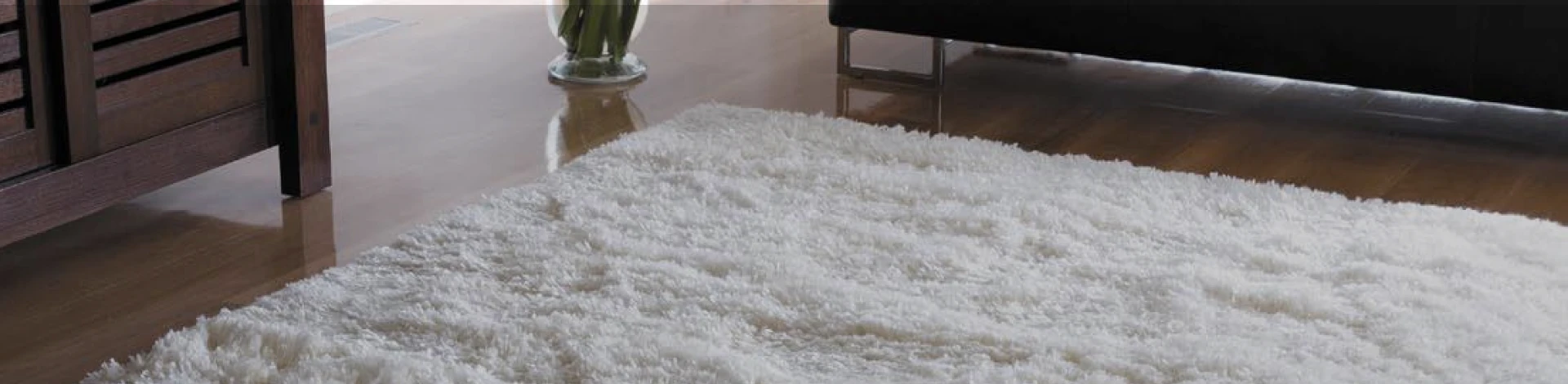
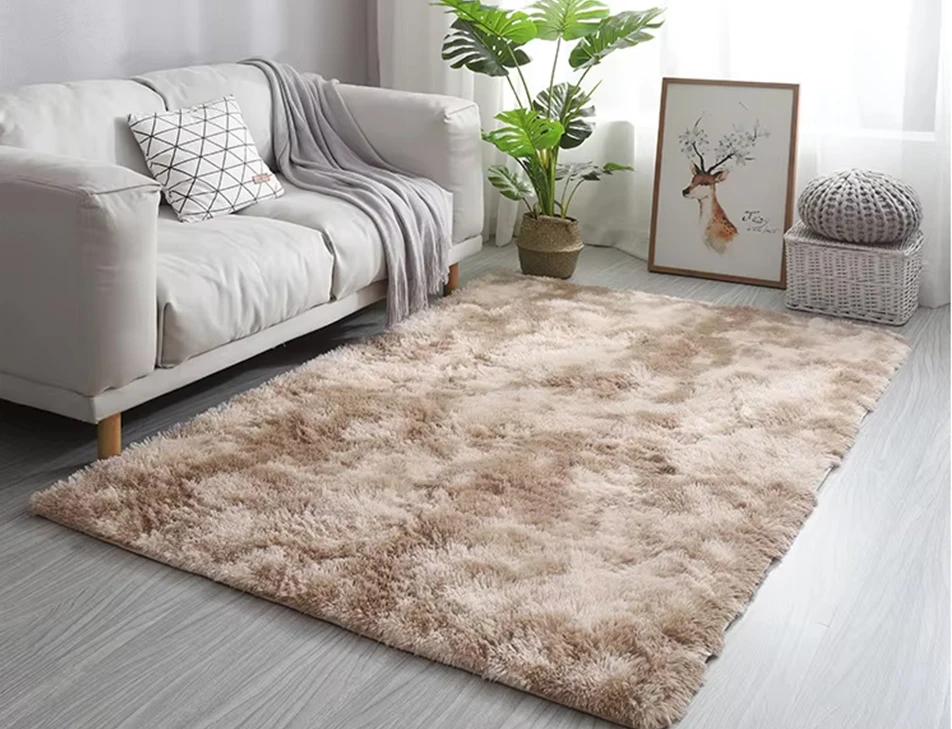
Pattern carpets for bedrooms represent a significant segment within the broader floor covering industry, focusing on aesthetics, comfort, and performance tailored for residential use. These carpets typically consist of a pile surface—constructed from various synthetic or natural fibers—attached to a backing material, often incorporating a patterned design through weaving, tufting, or printing processes. Technically, they occupy a niche distinct from broadloom carpeting used in commercial settings, emphasizing localized aesthetic impact and softer underfoot feel. Core performance characteristics include pile density, fiber resilience, stain resistance, and dimensional stability. The industry faces increasing pressure to utilize sustainable materials and manufacturing processes while maintaining competitive pricing and meeting evolving consumer preferences for design and functionality. This guide provides an in-depth technical overview of pattern carpets for bedrooms, encompassing material science, manufacturing techniques, performance criteria, failure modes, and relevant industry standards.
Material Science & Manufacturing
The foundation of bedroom pattern carpets lies in the selection of both pile fiber and backing materials. Common pile fibers include polypropylene (olefin), nylon, polyester, and, less frequently, wool. Polypropylene is favored for its cost-effectiveness, inherent stain resistance, and colorfastness, but exhibits lower resilience compared to nylon. Nylon offers superior durability and resilience, making it suitable for high-traffic areas within the bedroom, but is more susceptible to staining. Polyester provides a balance of cost, aesthetics (often offering vibrant colors), and moderate resilience. Wool, a natural fiber, provides excellent resilience, comfort, and inherent flame resistance, but is significantly more expensive and requires specialized cleaning. Backing materials typically consist of polypropylene, jute, or a combination of both. Polypropylene backings are moisture-resistant and durable, while jute provides a more natural, breathable backing option. Manufacturing processes primarily involve tufting, weaving, and needle punching. Tufting is the most prevalent method, where fibers are inserted through a primary backing using needles, secured with a secondary backing often coated with latex. Weaving involves interlacing warp and weft yarns to create a dense, durable pile. Needle punching mechanically interlocks fibers into the backing, creating a less dense but often cost-effective carpet. Critical parameters during manufacturing include yarn denier, pile weight (oz/sq yd), stitch rate, and latex adhesive formulation. Precise control of these parameters is essential to achieve desired pile density, texture, and dimensional stability. Dyeing and printing techniques are used to impart patterns, employing methods such as solution dyeing (dyeing fibers before tufting/weaving), yarn dyeing, and surface printing using various ink chemistries.
Performance & Engineering
The performance of bedroom pattern carpets is governed by several key engineering considerations. Pile density significantly impacts comfort and perceived quality, directly correlating to the number of fibers per unit area. Fiber resilience, measured by the recovery of the pile after compression, dictates the carpet's ability to withstand foot traffic and maintain its appearance. Static load resistance, critical for furniture placement, determines the extent of permanent pile deformation. Abrasion resistance, assessed using methods like the Taber abrasion test, quantifies the pile's resistance to wear. Stain resistance is crucial for bedrooms, requiring evaluation of resistance to common household spills (coffee, wine, juice) using standardized test methods. Dimensional stability, the carpet’s ability to maintain its size and shape under varying humidity and temperature conditions, is paramount to prevent buckling or shrinkage. Environmental resistance encompasses lightfastness (resistance to fading), moisture resistance (preventing mold and mildew growth), and resistance to chemical cleaning agents. Compliance requirements vary by region, often referencing flammability standards (e.g., California Technical Bulletin 117 for flammability) and VOC emission limits (e.g., CARB Section 01867 for formaldehyde emissions). Force analysis, particularly compression testing, is used to understand the load-bearing capacity and impact absorption characteristics of the carpet. Proper underlayment selection is critical to enhance comfort, extend carpet life, and improve acoustic properties. The interaction between the carpet pile, backing, and underlayment dictates the overall system performance.
Technical Specifications
| Parameter | Polypropylene (Olefin) | Nylon 6,6 | Polyester | Wool |
|---|---|---|---|---|
| Fiber Denier (dtex) | 500-2000 | 700-3000 | 400-1500 | 1500-4000 |
| Pile Weight (oz/sq yd) | 20-40 | 30-70 | 25-50 | 40-80 |
| Stitch Rate (stitches/inch) | 8-12 | 9-15 | 7-10 | 10-16 |
| Resilience (%) | 40-50 | 70-85 | 50-65 | 80-95 |
| Abrasion Resistance (Taber Cycles) | 10,000-20,000 | 25,000-50,000 | 15,000-30,000 | 30,000-70,000 |
| Water Absorption (%) | 0.1-0.5 | 3-4 | 0.5-1 | 30-40 |
Failure Mode & Maintenance
Pattern carpets for bedrooms are susceptible to several failure modes. Pile crushing, a common issue, results from prolonged compression, reducing pile density and aesthetic appeal. This is exacerbated by inadequate underlayment or heavy furniture. Fiber shedding, particularly prevalent in new carpets, occurs due to loose fibers not fully secured during manufacturing. Matting, a localized flattening of the pile, often occurs in high-traffic areas. Delamination, the separation of the pile from the backing, indicates a failure of the adhesive system, often due to moisture ingress or manufacturing defects. Discoloration can occur due to light exposure (fading) or staining from spills. Oxidation of polypropylene fibers can lead to brittleness and color change over time. Microbial growth (mold and mildew) can occur in humid environments, especially with jute backing. Maintenance is crucial to mitigate these failures. Regular vacuuming removes dirt and debris, preventing abrasive wear. Prompt stain removal is essential to prevent permanent staining. Professional cleaning, using appropriate cleaning agents and methods, is recommended periodically. Avoiding excessive moisture exposure and ensuring adequate ventilation are vital for preventing delamination and microbial growth. Rotating furniture placement can distribute wear more evenly, minimizing matting. Consider using carpet protectors under furniture legs to reduce pile crushing. Periodic pile lifting and grooming can help restore pile density and appearance.
Industry FAQ
Q: What is the impact of different backing materials on the overall carpet performance and lifespan?
A: Backing materials significantly affect carpet performance. Polypropylene backings offer superior moisture resistance, preventing mold and mildew, and contributing to dimensional stability. Jute, while more breathable and considered a natural option, is susceptible to moisture damage and requires careful moisture control. A combined polypropylene-jute backing offers a compromise, balancing cost, durability, and breathability. The backing's strength and adhesion to the pile are critical for preventing delamination, a major failure mode.
Q: How does the fiber type affect the susceptibility to staining, and what are the recommended cleaning methods for each?
A: Polypropylene is inherently stain-resistant to many common household spills but can be susceptible to oil-based stains. Nylon is more susceptible to staining overall but responds well to professional cleaning with appropriate stain repellents. Polyester offers moderate stain resistance and is generally easier to clean than nylon. Wool requires specialized cleaning to avoid damage and shrinkage; harsh chemicals should be avoided. Spot cleaning is recommended for all fiber types immediately after a spill.
Q: What are the key differences between tufted, woven, and needle-punched carpets, and which is most suitable for a bedroom environment?
A: Tufted carpets are the most common due to their cost-effectiveness and versatility in design. Woven carpets offer superior durability and intricate patterns but are more expensive. Needle-punched carpets are the least expensive but generally lack the density and aesthetic appeal of tufted or woven carpets. For a bedroom, a tufted or woven carpet is generally preferred, balancing cost, comfort, and durability. The choice depends on budget and desired aesthetic.
Q: What underlayment options are available, and how do they affect carpet performance and comfort?
A: Common underlayment options include felt, foam (polyurethane or memory foam), and rubber. Felt provides excellent cushioning and support but offers limited thermal insulation. Foam underlayment provides good cushioning and thermal insulation at a lower cost. Rubber underlayment offers superior durability and sound absorption but can be more expensive. The underlayment thickness and density directly impact comfort, sound insulation, and carpet lifespan. A thicker, denser underlayment provides better support and reduces pile crushing.
Q: How do flammability standards impact the selection and use of pattern carpets in bedrooms?
A: Flammability standards, such as California Technical Bulletin 117, dictate the materials and construction methods used in carpet manufacturing. Carpets must meet specific requirements for flame spread and smoke development. These standards influence the selection of fiber types and backing materials, as well as the use of flame-retardant treatments. Compliance with these standards is critical for ensuring the safety of occupants.
Conclusion
Pattern carpets for bedrooms represent a complex interplay of material science, manufacturing processes, and performance engineering. Selecting the appropriate fiber type, backing material, and manufacturing method is crucial for achieving desired comfort, durability, and aesthetic appeal. Understanding failure modes and implementing proactive maintenance practices are essential for extending carpet lifespan and maintaining its appearance. The industry’s ongoing focus on sustainability, driven by consumer demand and regulatory pressures, is leading to the development of innovative materials and manufacturing processes.
Future advancements will likely center on bio-based fibers, improved stain resistance technologies, and more efficient manufacturing processes. Furthermore, the integration of smart technologies, such as embedded sensors for monitoring wear and tear or detecting moisture levels, could enhance carpet performance and lifespan. A thorough understanding of these technical aspects is vital for procurement managers, designers, and consumers seeking to make informed decisions when selecting pattern carpets for bedroom applications.