

plush area rugs for living room Performance Analysis
Introduction
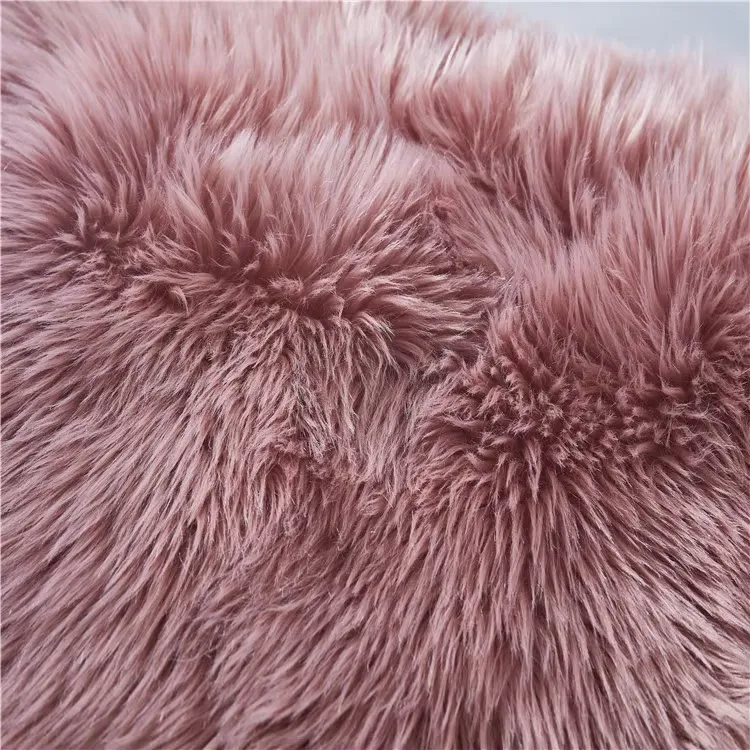
Plush area rugs for living rooms represent a significant segment within the broader floor covering industry, functioning primarily as interior décor elements while also contributing to thermal comfort and acoustic dampening. These rugs are characterized by a high pile height, typically exceeding 0.5 inches, creating a soft and luxurious underfoot experience. Technically, their position within the supply chain starts with fiber production (natural or synthetic), progresses through yarn manufacturing, weaving or tufting processes, and culminates in finishing treatments and retail distribution. Core performance attributes center around pile density, fiber durability, colorfastness, and resistance to crushing and matting. A critical industry pain point revolves around balancing consumer demand for luxurious feel with the need for long-term durability, stain resistance, and ease of maintenance. Concerns regarding volatile organic compound (VOC) emissions from certain materials and the environmental impact of synthetic fiber production also drive innovation in this sector.
Material Science & Manufacturing
The vast majority of plush area rugs utilize synthetic fibers, primarily polypropylene (olefin), polyester, and nylon, though wool and silk remain niche options. Polypropylene offers excellent stain resistance and affordability but has lower resilience than nylon. Polyester provides good color clarity and softness, though it’s susceptible to oil-based stains. Nylon boasts superior durability and resilience but is more expensive. Wool, a natural fiber, offers inherent resilience, flame resistance, and moisture management but requires specialized cleaning and is prone to moth damage. Silk, while luxurious, is delicate and unsuitable for high-traffic areas. Manufacturing processes typically involve tufting or weaving. Tufting involves inserting yarns into a primary backing material, followed by latex adhesion and a secondary backing for stability. Weaving creates a more durable but generally more expensive rug. Key parameters in manufacturing include yarn denier (fiber thickness), pile density (stitches per square inch), gauge (needles per inch), and pile height. Latex composition significantly impacts rug durability and resistance to delamination. The quality of the secondary backing (typically polypropylene or jute) determines dimensional stability and resistance to moisture. Finishing treatments include shearing, dyeing, and stain-resistant coatings, such as fluorochemicals or perfluorooctanoic acid (PFOA)-free alternatives.
Performance & Engineering
Performance of plush area rugs is dictated by a complex interplay of material properties and structural design. Force analysis reveals that pile resilience and backing strength are crucial for resisting compression and maintaining shape under foot traffic. A high pile density and robust backing minimize crushing and matting. Environmental resistance focuses on colorfastness to light (assessed via AATCC 16E), resistance to water absorption (crucial for preventing mildew and delamination), and flammability (regulated by standards like DOC-FF1-70). Compliance requirements are stringent, particularly regarding VOC emissions (tested according to CARB Method 309) and lead content (restricted by CPSIA). The structural integrity of the rug is also tied to the adhesion between the primary backing, latex, and secondary backing; shear strength testing determines the resistance to delamination. Coefficient of friction (COF) is an important consideration for slip resistance, minimizing the risk of falls. Furthermore, the dimensional stability of the rug is paramount, preventing shrinkage or distortion over time. Engineering considerations include optimizing pile height and density to achieve the desired level of comfort and durability, while minimizing manufacturing costs and environmental impact.
Technical Specifications
| Fiber Type | Pile Height (inches) | Pile Density (stitches/in²) | Backing Material | VOC Emissions (µg/m³) | Flammability (DOC-FF1-70) |
|---|---|---|---|---|---|
| Polypropylene | 1.0 - 1.5 | 800 - 1200 | Polypropylene/Jute | < 50 | Pass |
| Polyester | 0.75 - 1.25 | 900 - 1400 | Polyester/Jute | < 75 | Pass |
| Nylon | 1.25 - 2.0 | 1000 - 1600 | Polypropylene/Jute | < 30 | Pass |
| Wool | 0.5 - 1.0 | 700 - 1100 | Natural Latex/Jute | < 100 | Self-Extinguishing |
| Polypropylene/Jute Blend | 1.125 | 1100 | Polypropylene/Jute | <60 | Pass |
| Polyester/Cotton Blend | 0.875 | 1000 | Cotton/Polyester | <80 | Pass |
Failure Mode & Maintenance
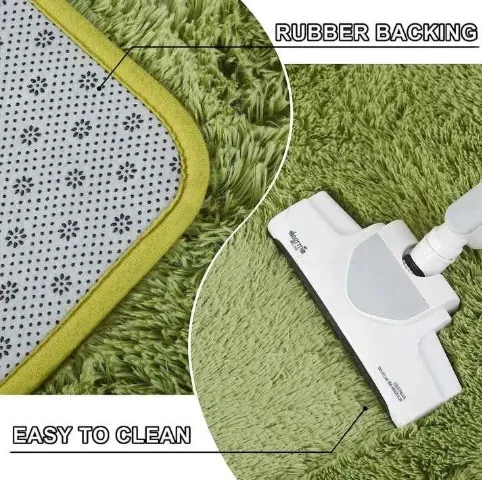
Common failure modes in plush area rugs include fiber shedding, pile crushing, delamination, and staining. Fiber shedding is most prevalent in new rugs and diminishes with use. Pile crushing occurs under sustained pressure, reducing the rug’s softness and aesthetic appeal. Delamination, the separation of the pile from the backing, is often caused by latex degradation or moisture ingress. Staining, particularly from oil-based substances, can be difficult to remove, especially on polyester rugs. Oxidation of synthetic fibers due to prolonged UV exposure can lead to color fading and reduced strength. Maintenance is crucial for prolonging rug lifespan. Regular vacuuming removes dirt and debris, preventing abrasive wear. Prompt stain removal using appropriate cleaning agents is essential. Professional cleaning is recommended annually to deep-clean the fibers and restore pile loft. Avoid excessive moisture, as this can promote mildew growth and delamination. Rotate the rug periodically to distribute wear evenly. Addressing and rectifying spills immediately is paramount to preventing permanent staining. In the event of delamination, professional repair or replacement may be necessary.
Industry FAQ
Q: What is the difference between heat-set and non-heat-set polypropylene rugs, and how does it affect durability?
A: Heat-setting is a process where polypropylene fibers are heated after extrusion to increase their crystallinity. This enhances their resilience, reducing crushing and matting. Non-heat-set polypropylene is softer initially but loses its shape more readily and is less durable over the long term. The heat-setting process adds to the manufacturing cost but significantly improves the rug’s performance and lifespan.
Q: How do different backing materials impact the rug's performance and longevity?
A: The backing material provides structural support. Polypropylene backings are cost-effective and resist moisture, but can be less durable. Jute backings are breathable and environmentally friendly, but are susceptible to moisture damage and can shrink. Combination backings (e.g., polypropylene/jute) offer a compromise. Higher-quality backings incorporate layers of felt or foam for added cushioning and dimensional stability.
Q: What are the environmental concerns associated with plush area rugs, and what sustainable alternatives are available?
A: Synthetic rugs rely on petroleum-based products, contributing to carbon emissions and plastic waste. Manufacturing processes can also involve VOC emissions. Sustainable alternatives include rugs made from recycled materials (e.g., recycled polyester), natural fibers like wool or jute, and rugs with low-VOC latex adhesives. Look for certifications like Green Label Plus indicating low emissions.
Q: What level of pile height is most suitable for high-traffic living room areas?
A: For high-traffic areas, a pile height between 0.5 and 0.75 inches is generally recommended. Higher pile heights (above 1 inch) are luxurious but are more susceptible to crushing and matting under heavy foot traffic. Lower pile heights are easier to clean and maintain but may not offer the same level of comfort.
Q: What testing standards are most relevant when evaluating the quality and safety of a plush area rug?
A: Key standards include AATCC 16E (colorfastness to light), CARB Method 309 (VOC emissions), DOC-FF1-70 (flammability), and CPSIA (lead content). Pile density and weight measurements are also important indicators of quality. Examining the rug’s certification labels provides assurance of compliance with industry standards.
Conclusion
Plush area rugs for living rooms are complex products with performance heavily influenced by material selection, manufacturing processes, and adherence to rigorous quality control standards. Balancing consumer demand for softness and aesthetic appeal with the need for durability, stain resistance, and environmental responsibility remains a central challenge for manufacturers. Understanding the implications of fiber type, pile construction, and backing materials is crucial for selecting a rug that will provide long-term value and satisfaction.
Moving forward, advancements in fiber technology, such as bio-based polymers and more sustainable synthetic alternatives, will likely play an increasingly important role in the industry. Furthermore, continued innovation in latex formulations and backing materials will contribute to improved durability and reduced environmental impact. Manufacturers must also prioritize transparency regarding VOC emissions and material sourcing to meet growing consumer demand for eco-friendly products.