


plush faux fur rug Performance Analysis
Introduction
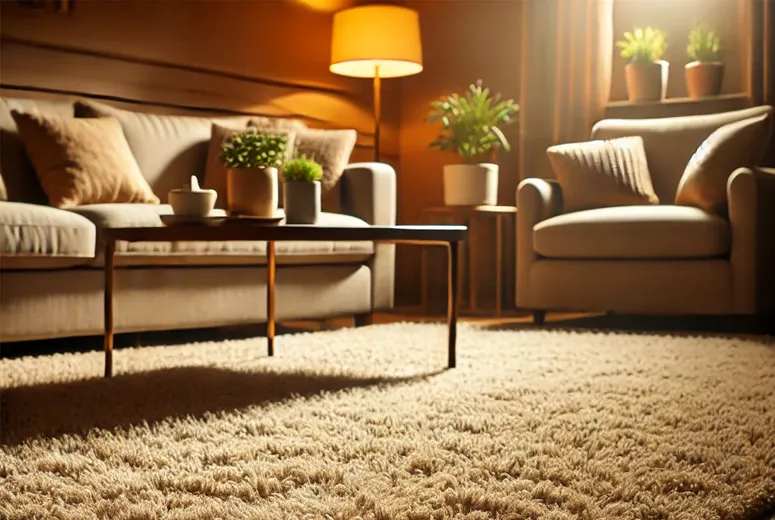
Plush faux fur rugs represent a significant segment within the broader floor covering industry, positioned as a cost-effective and ethically sourced alternative to genuine animal fur and traditional wool rugs. Their primary function is to provide tactile comfort, aesthetic enhancement of interior spaces, and a degree of thermal insulation. These rugs are typically constructed from synthetic fibers, primarily polyester, and utilize specialized manufacturing techniques to mimic the appearance and feel of natural fur. Critical performance characteristics include pile height, density, fiber quality, and the robustness of the backing material. The industry is driven by consumer demand for luxurious textures combined with concerns regarding animal welfare and sustainable materials. Understanding the nuanced material science and production processes is crucial for ensuring durability, safety, and long-term aesthetic appeal.
Material Science & Manufacturing
The core material in plush faux fur rugs is typically 100% polyester, chosen for its inherent softness, resilience, and dyeability. However, acrylic and polypropylene are sometimes incorporated to modify specific properties like cost, texture, or UV resistance. Polyester itself is a thermoplastic polymer formed through the esterification of dicarboxylic acids and diols, resulting in long chains with repeating ester linkages. The inherent crystallinity of polyester impacts its mechanical properties; higher crystallinity leads to increased strength and dimensional stability but reduced flexibility.
Manufacturing involves several key stages. First, polyester fibers are extruded through spinnerets, forming continuous filaments. These filaments are then crimped to create bulk and enhance the fur-like texture. This crimping process can be mechanical (using rollers) or chemical (applying heat and twisting). The crimped fibers are then cut to the desired pile length. The crucial stage is tufting. This involves inserting the cut fibers into a primary backing material, typically polypropylene woven fabric, using hundreds of needles. The density of tufting directly correlates to the rug’s perceived luxury and durability. After tufting, a layer of adhesive latex is applied to lock the fibers in place. Finally, a secondary backing, often jute or felt, is laminated to the primary backing for added stability and cushioning. Parameter control during tufting – needle depth, stitch rate, and fiber feed – is critical for achieving consistent pile height and density, directly impacting the final product's appearance and performance. The selection of latex adhesive is also crucial, impacting both fiber retention and potential off-gassing (VOC emissions).

Performance & Engineering
The performance of a plush faux fur rug is governed by several engineering principles. Pile height, typically ranging from 20mm to 60mm, significantly influences perceived softness and the degree of sinking experienced when walked upon. Pile density (fibers per unit area) impacts both the aesthetic fullness and the rug’s ability to retain its shape under compression. Force analysis reveals that the load-bearing capacity of the rug depends on the fiber tensile strength and the integrity of the backing.
Environmental resistance is a critical consideration. Polyester exhibits moderate resistance to water absorption, but prolonged exposure can lead to mildew growth within the backing material. UV resistance is relatively poor, leading to potential fading and degradation of the fibers over time, especially with darker colors. Flame retardancy is often achieved through chemical treatments, typically involving phosphorus-based compounds. Compliance with flammability standards (see Standards & Regulations section) is mandatory for most markets. The backing material contributes significantly to the rug’s dimensional stability; shrinkage or stretching can occur if the backing is not adequately stabilized. The latex adhesive must maintain bond strength under varying temperature and humidity conditions to prevent fiber shedding and delamination. Furthermore, the rug’s overall weight distribution and structural integrity are important for preventing tripping hazards.
Technical Specifications
| Parameter | Unit | Typical Range | Test Method |
|---|---|---|---|
| Pile Height | mm | 20-60 | ASTM D3884 |
| Pile Density | oz/yd² | 500-1200 | ASTM D3884 (visual comparison) |
| Fiber Composition | % | 100% Polyester (typically) | FTIR Spectroscopy |
| Backing Material | - | Polypropylene woven fabric + Jute/Felt | Visual Inspection |
| Tensile Strength (Fiber) | cN/tex | 50-80 | ASTM D2256 |
| Colorfastness to Light | Rating (1-5) | 3-4 (Gray Scale) | ISO 105-B02 |
Failure Mode & Maintenance
Plush faux fur rugs are susceptible to several failure modes. Fiber shedding is a common issue, particularly in high-traffic areas, stemming from inadequate fiber locking within the backing material or abrasion. Pile crushing, resulting in a flattened appearance, occurs due to prolonged compression and loss of fiber resilience. Delamination, the separation of the pile from the backing, is often caused by adhesive failure due to humidity or temperature fluctuations. Oxidation of the polyester fibers can lead to discoloration and brittleness, accelerated by UV exposure. The backing material is prone to cracking or tearing under stress, particularly jute. Mildew growth can occur within the backing if exposed to prolonged moisture.
Professional maintenance involves regular vacuuming to remove loose debris and prevent fiber matting. Spot cleaning with a mild detergent solution is recommended for spills. Avoid harsh chemicals or abrasive cleaners, as they can damage the fibers. For deep cleaning, professional rug cleaning services utilizing low-moisture extraction methods are preferred. Preventative measures include rotating the rug periodically to distribute wear evenly, using rug pads to provide cushioning and prevent slippage, and minimizing direct exposure to sunlight. Promptly addressing spills and moisture exposure will mitigate the risk of mildew growth and delamination. Repairing minor tears in the backing can extend the rug’s lifespan.
Industry FAQ
Q: What is the difference between a high-pile and low-pile faux fur rug in terms of durability?
A: Generally, low-pile rugs (20-30mm) tend to be more durable in high-traffic areas. The shorter fibers are less prone to bending and crushing, and the lower profile reduces the risk of snagging. High-pile rugs (40-60mm) offer superior comfort but require more diligent maintenance and are less suited for heavy use. The density of the pile is also a crucial factor; a dense, well-tufted rug will withstand wear and tear better than a sparsely tufted one.
Q: How do I determine if a faux fur rug is flame retardant and meets safety standards?
A: Look for a label indicating compliance with relevant flammability standards, such as California Proposition 65 or the European EN 14041 standard. These labels will specify the test methods used and the level of flame retardancy achieved. It's crucial to verify that the rug has been tested by an accredited independent laboratory.
Q: What is the impact of different backing materials on the rug’s performance and longevity?
A: Polypropylene woven fabric is a common and cost-effective backing, providing good dimensional stability. Jute is a natural fiber offering cushioning but is susceptible to moisture damage. Felt provides excellent cushioning and insulation but can compress over time. A combination of polypropylene and a layer of felt or jute is often used to balance cost, comfort, and durability.
Q: How does the quality of the polyester fiber affect the rug’s overall performance?
A: Higher-quality polyester fibers exhibit greater resilience, tensile strength, and colorfastness. They are less prone to shedding, matting, and fading. The denier (thickness) of the fiber also matters; thicker fibers generally provide a more luxurious feel and increased durability. Look for rugs made with solution-dyed polyester, as this process imparts excellent colorfastness.
Q: What are the best practices for cleaning a faux fur rug to prevent damage and maintain its appearance?
A: Regular vacuuming with a suction-only nozzle is essential. Avoid using beater bars, as they can damage the fibers. Spot clean spills immediately with a mild detergent solution and a clean cloth. For deep cleaning, professional rug cleaning services are recommended. Avoid excessive moisture, as it can lead to mildew growth and delamination.
Conclusion
Plush faux fur rugs represent a sophisticated blend of material science, manufacturing technology, and aesthetic design. Their performance characteristics are fundamentally dictated by the properties of the polyester fibers, the robustness of the backing materials, and the precision of the tufting process. Understanding these factors is crucial for selecting a rug that meets specific performance requirements and longevity expectations.
Future advancements in this sector will likely focus on developing more sustainable polyester fibers (e.g., recycled polyester), improving flame retardancy without compromising environmental safety, and enhancing the durability of the backing materials. The industry’s continued success hinges on its ability to deliver luxurious comfort, aesthetic appeal, and ethical sourcing practices while meeting stringent quality and safety standards.