

plush grey carpet Performance Analysis
Introduction
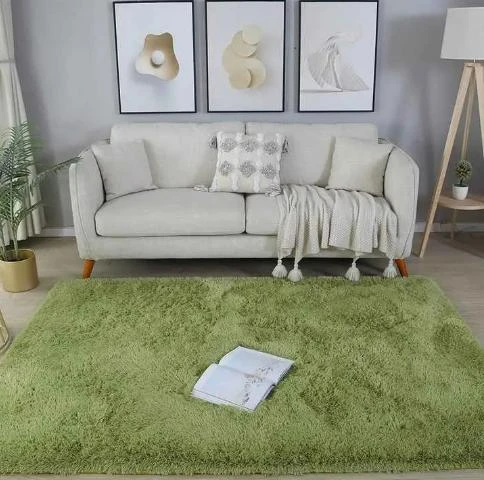
Plush grey carpet represents a significant segment within the broader floor covering industry, positioned primarily in the residential and hospitality sectors. Its construction typically involves a dense pile created from synthetic fibers – predominantly polypropylene, nylon, or polyester – attached to a primary backing material (often polypropylene) and secured with a secondary backing for dimensional stability. Core performance characteristics defining this product category include pile density, fiber denier, gauge, and overall weight. The grey coloration offers versatility in interior design and addresses common concerns regarding visible dirt and wear. Industry challenges focus on minimizing volatile organic compound (VOC) emissions during manufacturing, improving stain resistance, and enhancing durability against abrasion and crushing, all while managing cost-effectiveness. This guide provides a comprehensive technical overview of plush grey carpet, covering material science, manufacturing processes, performance attributes, potential failure modes, and relevant industry standards.
Material Science & Manufacturing
The primary raw materials for plush grey carpet are synthetic polymers. Polypropylene (PP) is widely used due to its low cost, inherent stain resistance, and acceptable durability, although it exhibits lower resilience and a tendency to crush compared to nylon. Nylon 6 and Nylon 6,6 offer superior abrasion resistance, resilience, and color retention but are more expensive. Polyester provides a softer hand feel and good color clarity but has lower resilience than nylon. The fibers are typically produced via melt spinning, where molten polymer is extruded through spinnerets to form continuous filaments. These filaments are then textured – crimped, looped, or cut – to create the desired pile characteristics. The grey coloration is achieved through the addition of pigments during the polymer manufacturing process, ensuring colorfastness throughout the fiber. Carpet backing materials commonly include woven polypropylene or non-woven polyester fabrics. Adhesives used to attach the pile to the backing are usually latex-based or polyurethane. Manufacturing involves tufting, where needles insert the yarn into the primary backing, followed by coating with adhesive and application of the secondary backing (often jute or synthetic materials) for stability. Key parameter control involves maintaining consistent yarn tension during tufting, uniform adhesive application, and precise control of pile height and density. Fiber denier (weight per unit length) significantly influences the carpet’s feel and durability, with higher denier typically correlating with greater longevity. Pile height is carefully controlled to achieve the desired plushness and aesthetic effect. Variations in these parameters directly impact the finished product’s performance and longevity.
Performance & Engineering
Performance of plush grey carpet is assessed through a range of standardized tests. Abrasion resistance is quantified using the Taber Abraser test (ASTM D4157), measuring the weight loss of the pile after a specified number of rotations. Pile crush resistance, critical for high-traffic areas, is evaluated using the pile crush tester (ASTM D2493), determining the percentage of pile height lost under a defined load. Colorfastness to light is assessed via exposure to simulated sunlight (ASTM D1654) and measured using grey scale ratings. Stain resistance is evaluated using various staining agents (coffee, wine, oil) and graded according to visual appearance after treatment and cleaning (AATCC 117). Flammability is governed by standards like ASTM E84 (surface burning characteristics) and NFPA 253 (carpet flammability). Environmental resistance necessitates evaluation of Moisture Vapor Transmission Rate (MVTR) to assess breathability and resistance to mold growth, especially in basements or high-humidity environments. Force analysis focuses on the tensile strength of both the pile fibers and the backing materials, ensuring they can withstand routine wear and tear. Dimensional stability is evaluated under varying temperature and humidity conditions to minimize shrinkage or stretching. Compliance with VOC emission standards (California Section 01350) is crucial for indoor air quality. Engineering considerations extend to the carpet’s ability to retain its shape and density over time, preventing matting and maintaining aesthetic appeal. Proper underlayment selection is also critical for enhancing comfort, extending carpet life, and providing sound insulation.
Technical Specifications
| Parameter | Units | Typical Range (Plush Grey Carpet) | Test Method |
|---|---|---|---|
| Pile Weight | oz/yd² | 60-100 | ASTM D988 |
| Pile Height | inches | 0.75-1.25 | ASTM D988 |
| Fiber Denier | dtex | 800-2000 | ASTM D2256 |
| Gauge | stitches/inch | 6-12 | Visual Inspection |
| Total Weight | oz/yd² | 80-150 | ASTM D988 |
| Abrasion Resistance (Taber Abraser) | Weight Loss (g) | ≤ 0.30 | ASTM D4157 |
Failure Mode & Maintenance
Plush grey carpet is susceptible to several failure modes. Fiber fatigue cracking occurs due to repeated bending and compression, leading to fiber breakage and pile reduction. Delamination, the separation of the pile from the backing, is often caused by adhesive failure, particularly with inadequate adhesive application or exposure to high humidity. Crushing, a common issue in high-traffic areas, results from permanent deformation of the pile fibers, reducing resilience and appearance. Oxidation of the fibers, particularly polypropylene, can lead to discoloration and brittleness over time, especially with exposure to UV light. Staining represents a significant aesthetic failure, requiring prompt and effective cleaning. Wear patterns, visible as localized pile loss, develop in areas of frequent foot traffic. Maintenance protocols are crucial for mitigating these failures. Regular vacuuming removes abrasive soil particles that contribute to wear. Prompt stain treatment prevents permanent discoloration. Professional deep cleaning, utilizing appropriate detergents and extraction techniques, restores pile appearance and removes embedded dirt. Rotating furniture and using rugs in high-traffic areas distributes wear more evenly. Protecting the carpet from direct sunlight minimizes oxidation. Preventive maintenance, including the application of stain repellents, extends carpet life and maintains aesthetic appeal. Addressing spills immediately and avoiding harsh cleaning chemicals are also essential. The choice of underlayment and its condition significantly influences the longevity of the carpet, providing cushioning and support.
Industry FAQ
Q: What is the impact of fiber type (polypropylene vs. nylon) on the lifespan of plush grey carpet in a high-traffic commercial environment?
A: Nylon demonstrably outperforms polypropylene in high-traffic commercial settings. Nylon exhibits significantly higher abrasion resistance and resilience, meaning it can withstand repeated foot traffic and retain its pile height and appearance for a longer duration. Polypropylene, while cost-effective, is prone to crushing and fiber fatigue, leading to quicker wear and aesthetic degradation. While polypropylene may be suitable for low-traffic residential areas, nylon is the preferred choice for commercial applications prioritizing longevity and durability. The initial cost difference is typically offset by the extended lifespan of nylon.
Q: How do VOC emissions from plush grey carpet affect indoor air quality, and what standards are relevant?
A: VOC emissions from carpet originate primarily from adhesives, backings, and sometimes the fibers themselves. These emissions can contribute to “sick building syndrome” and impact indoor air quality. Relevant standards include California Section 01350, which sets limits for VOC emissions, and the Green Label Plus certification by the Carpet and Rug Institute (CRI), signifying low VOC emissions. Selecting carpets with low VOC emissions is crucial for creating a healthy indoor environment, particularly in schools, hospitals, and offices.
Q: What role does the carpet backing play in preventing delamination and ensuring dimensional stability?
A: The carpet backing is critical for both delamination resistance and dimensional stability. A high-quality woven polypropylene or non-woven polyester backing provides a strong foundation for the pile fibers. The adhesive used to bond the pile to the backing must be compatible with both materials and applied uniformly. A secondary backing, typically jute or synthetic material, further enhances dimensional stability, preventing shrinkage, stretching, and distortion. Poor quality backing or inadequate adhesive application significantly increases the risk of delamination and reduces the carpet’s lifespan.
Q: How does pile density (measured in ounces per square yard) relate to the overall performance and durability of plush grey carpet?
A: Pile density is a key indicator of carpet quality and performance. Higher pile density generally correlates with greater durability, resilience, and comfort. A denser pile provides more support, resists crushing, and hides footprints more effectively. It also contributes to better sound absorption and thermal insulation. However, higher density often comes at a higher cost. A typical range for plush grey carpet is 60-100 oz/yd², with higher values indicating a more premium product.
Q: What are the key differences between solution-dyed and piece-dyed carpet, and how does this affect colorfastness and stain resistance in a grey carpet?
A: Solution-dyed carpet has the color incorporated into the fiber during its manufacturing, resulting in exceptional colorfastness and inherent stain resistance. Piece-dyed carpet, conversely, is dyed after the fibers are produced. While offering a wider range of color options, piece-dyed carpets are more susceptible to fading and staining. Grey carpets benefit significantly from solution-dyeing as it prevents color bleed and maintains vibrancy even with repeated cleaning and exposure to light. Solution-dyed carpets are therefore a superior choice for high-traffic areas or environments where stain resistance is paramount.
Conclusion
Plush grey carpet represents a versatile flooring solution, but its performance and longevity are heavily influenced by material selection, manufacturing processes, and adherence to industry standards. Understanding the interplay between fiber type, pile density, backing materials, and adhesive systems is crucial for specifying a carpet that meets the demands of the intended application. Prioritizing solution-dyed fibers, high pile density, and robust backing construction maximizes durability and minimizes the risk of premature failure.
Effective maintenance practices, including regular vacuuming, prompt stain treatment, and professional cleaning, are essential for extending carpet life and preserving aesthetic appeal. Ongoing research and development continue to focus on improving stain resistance, reducing VOC emissions, and enhancing the sustainability of carpet manufacturing processes. Selecting products that comply with recognized standards such as ASTM, ISO, and CRI ensures consistent quality and performance.