


plush white rug Performance Analysis
Introduction
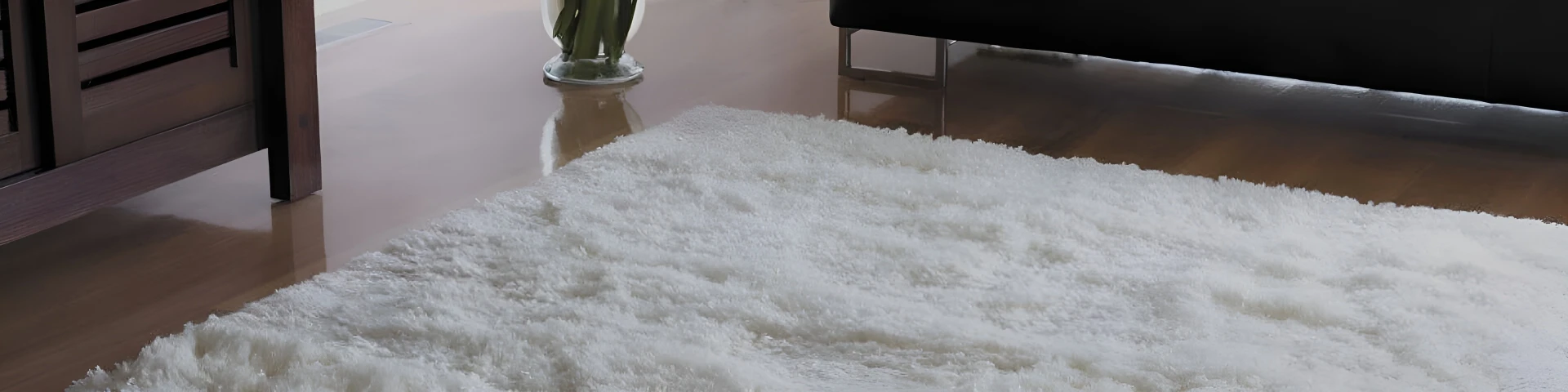
Plush white rugs represent a significant segment within the broader floor covering industry, functioning as both functional and aesthetic elements in residential and commercial spaces. Positioned between commodity woven rugs and high-end hand-knotted carpets, the plush white rug derives its value from the perceived comfort, visual appeal, and ability to enhance interior design schemes. Core performance characteristics center around pile height, fiber composition, stain resistance, and durability. The increasing demand for these rugs is driven by trends in minimalist and Scandinavian design, alongside growing consumer emphasis on creating comfortable and inviting living environments. However, maintaining the pristine white appearance presents a persistent challenge, contributing to a critical pain point for consumers and necessitating advanced treatment and fiber technologies to address soiling and wear.
Material Science & Manufacturing
The foundational material for most plush white rugs is synthetic fiber, predominantly polypropylene (PP) and polyester. Polypropylene is favored for its cost-effectiveness, inherent stain resistance, and relatively high tensile strength (35-50 MPa). Polyester offers superior softness and color retention but generally exhibits lower abrasion resistance. Alternative, premium materials include acrylic, known for its wool-like feel, and increasingly, recycled PET (polyethylene terephthalate) fibers addressing sustainability concerns. The manufacturing process typically begins with polymer extrusion, where the raw material is melted and forced through spinnerets to create continuous filaments. These filaments are then drawn (stretched) to increase their tensile strength and oriented to improve uniformity. The yarn undergoes texturing – often using air-jet or false-twist methods – to create the desired bulk and softness. Pile construction is predominantly achieved through tufting. In tufting, needles push loops of yarn through a primary backing material (often polypropylene). These loops are then sheared to create a cut pile, determining the rug’s plushness. A secondary backing, typically jute or synthetic felt, is applied with latex adhesive to provide structural integrity. Key parameter control during manufacturing includes yarn denier (fiber thickness), pile density (stitches per square inch), and latex application rate. Precise control of these parameters directly impacts the rug’s durability, resilience, and overall performance. Dyeing is often carried out on the fiber before tufting, utilizing solution dyeing for enhanced colorfastness, particularly crucial for maintaining a pristine white appearance.
Performance & Engineering
Performance analysis of plush white rugs focuses on several key engineering principles. Pile compression resistance, a critical factor determining longevity, is directly correlated with fiber denier and pile density. Higher density and denier result in improved resilience and reduced fiber deformation under sustained pressure. Environmental resistance centers around lightfastness and susceptibility to staining. UV exposure can cause fading and yellowing of the white fibers, necessitating the use of UV stabilizers during manufacturing. Stain resistance is predominantly achieved through topical treatments with fluorochemicals or other hydrophobic coatings, creating a barrier against water and oil-based stains. Force analysis involves assessing the rug’s tensile strength (resistance to tearing) and peel strength (adhesion between the primary and secondary backing). These properties are crucial for preventing delamination and ensuring the rug remains intact under typical use conditions. Compliance requirements often pertain to flammability (meeting standards like California Technical Bulletin 117) and volatile organic compound (VOC) emissions (following guidelines set by organizations like GREENGUARD). The backing material's composition is also subject to regulatory scrutiny related to heavy metal content and material safety data sheets (MSDS) compliance.
Technical Specifications
| Parameter | Unit | Typical Value (Low-End) | Typical Value (High-End) |
|---|---|---|---|
| Pile Height | mm | 25 | 50 |
| Pile Density | stitches/in² | 300 | 800 |
| Fiber Material | - | Polypropylene (PP) | Recycled Polyester (rPET) |
| Total Weight | g/m² | 800 | 1500 |
| Tensile Strength (backing) | N/5cm | 150 | 300 |
| Water Absorption | % | <0.5 | <0.1 |
Failure Mode & Maintenance
Plush white rugs are susceptible to several failure modes. The most common is matting, caused by fiber deformation under sustained compression, leading to a flattened appearance. This is exacerbated by lower pile density and inferior fiber quality. Another prevalent issue is staining, particularly from spills of colored liquids. While topical treatments provide initial stain resistance, repeated exposure and aggressive cleaning can degrade these coatings. Fiber breakage and shedding are also common, particularly with lower-denier fibers subjected to abrasion. Delamination – the separation of the primary and secondary backing – represents a more catastrophic failure, often resulting from inadequate latex adhesion or excessive stress. Oxidation of polypropylene fibers, leading to discoloration and brittleness, can occur with prolonged UV exposure. Maintenance to mitigate these failures includes regular vacuuming to remove abrasive particles, immediate spot cleaning of spills, and professional cleaning every 6-12 months. Avoid harsh chemicals and abrasive cleaning tools, as these can damage the fibers and coatings. Rotation of the rug every few months helps distribute wear evenly. For significant staining, enzymatic cleaners may be effective, but testing in an inconspicuous area is crucial to avoid discoloration. Long-term prevention includes the application of protective coatings and the use of rug pads to reduce compression and abrasion.
Industry FAQ
Q: What is the difference between solution-dyed and piece-dyed white rugs, and why is it important?
A: Solution-dyed rugs have the color added to the molten polymer before it's extruded into fibers. This results in superior colorfastness – the color is integral to the fiber itself, making it highly resistant to fading and bleaching. Piece-dyed rugs are dyed after the fibers are formed, resulting in less durable color that is prone to fading with UV exposure and cleaning. For white rugs, solution dyeing is critical to maintain the pristine appearance over time.
Q: How does pile density affect the durability and feel of a plush white rug?
A: Pile density (stitches per square inch) directly impacts both durability and feel. Higher pile density means more fibers packed into a given area, increasing resilience, reducing fiber deformation, and improving the rug’s ability to withstand foot traffic. It also contributes to a softer, more luxurious feel underfoot. Lower pile density rugs tend to flatten more quickly and show wear patterns sooner.
Q: What are the common issues with stain resistance in white rugs, and what treatments are most effective?
A: The primary issue is the degradation of topical stain-resistant coatings over time with cleaning and use. Oil-based stains are particularly challenging for standard fluorochemical treatments. More advanced treatments incorporating nanotechnology are emerging, offering enhanced durability and broader stain protection. Periodic re-application of stain repellent is recommended. Proactive application of a fabric protector immediately after purchase extends the life of existing treatments.
Q: What backing materials are preferred for high-traffic areas and why?
A: For high-traffic areas, a jute backing combined with a robust latex adhesive is generally preferred, or a synthetic felt backing with a higher density. Jute provides excellent structural integrity and dimensional stability. Synthetic felt offers better moisture resistance and prevents mold growth. The latex adhesive must be of sufficient quality to ensure strong bonding between the primary and secondary backing, preventing delamination.
Q: How do VOC emissions relate to the safety and sustainability of plush white rugs?
A: VOCs (Volatile Organic Compounds) can be emitted from the latex adhesives, dyes, and certain fiber treatments used in rug manufacturing. High VOC levels can contribute to indoor air pollution and pose health risks. Certifications like GREENGUARD Gold indicate that a rug has been tested and meets stringent standards for low VOC emissions, ensuring a healthier indoor environment. Choosing rugs made with recycled materials and low-VOC adhesives supports sustainability initiatives.
Conclusion
The performance and longevity of plush white rugs are intricately linked to material selection, manufacturing processes, and diligent maintenance practices. The inherent challenge of maintaining a pristine white appearance necessitates a focus on solution-dyed fibers, high pile density, and durable stain-resistant treatments. Understanding the potential failure modes – from matting and staining to delamination and oxidation – allows for proactive preventative measures, extending the rug’s lifespan and preserving its aesthetic appeal.
The industry is continually evolving, with advancements in fiber technology (e.g., recycled PET, bio-based polymers) and coating applications driving improvements in sustainability and performance. Future trends will likely emphasize enhanced stain resistance through nanotechnology, increased use of recycled materials, and more rigorous testing protocols to ensure consistent product quality and consumer satisfaction. A comprehensive understanding of these technical aspects is crucial for both manufacturers and consumers seeking a durable and aesthetically pleasing plush white rug.