

purple faux fur rug Performance Analysis
Introduction
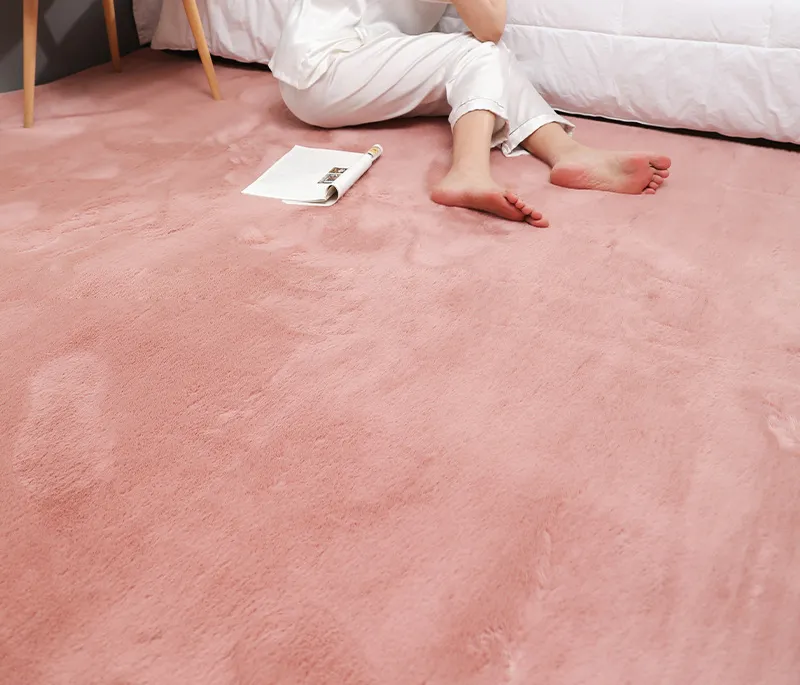
Purple faux fur rugs represent a significant segment within the broader decorative textile market, offering an aesthetic alternative to natural fur. These rugs are constructed from synthetic fibers designed to mimic the look and feel of animal fur, predominantly targeting the residential and light commercial interior design sectors. Their technical position is defined by balancing cost-effectiveness, aesthetic versatility, and ethical considerations related to animal welfare – concerns driving a shift away from genuine fur products. Core performance characteristics revolve around surface texture, pile height, colorfastness, durability under foot traffic, and ease of cleaning. The industry faces challenges in achieving a realistic tactile experience comparable to natural fur, managing shedding of synthetic fibers, and ensuring consistent dye lot uniformity. Achieving a high-quality, aesthetically pleasing, and durable product requires careful material selection and manufacturing process control.
Material Science & Manufacturing
The primary raw material for purple faux fur rugs is typically a synthetic polymer, most commonly polypropylene (PP) or polyester (PET). Polypropylene is favored for its cost-effectiveness and inherent stain resistance, while polyester offers superior dye uptake and a softer hand feel. Fiber production involves melt spinning, where the polymer is extruded through spinnerets to form continuous filaments. These filaments are then crimped to create bulk and improve the texture, resembling natural fur. The dyeing process is critical, utilizing solution dyeing (adding color during the melt spinning stage) or piece dyeing (dyeing the finished fabric). Solution dyeing offers better colorfastness. Manufacturing typically involves a tufting process, where fibers are inserted into a primary backing material – usually polypropylene or jute. The tufted surface is then coated with a latex adhesive to secure the fibers, followed by a secondary backing for added stability and cushioning. Key parameters in manufacturing include fiber denier (thickness), pile density (fibers per square inch), yarn twist, and the quality and application rate of the latex adhesive. Quality control focuses on ensuring consistent pile height, uniform color distribution, and adequate fiber lock to minimize shedding. A critical aspect is the control of VOC emissions during latex curing, complying with environmental regulations. The selection of dyes must also consider lightfastness to prevent fading under prolonged UV exposure.
Performance & Engineering
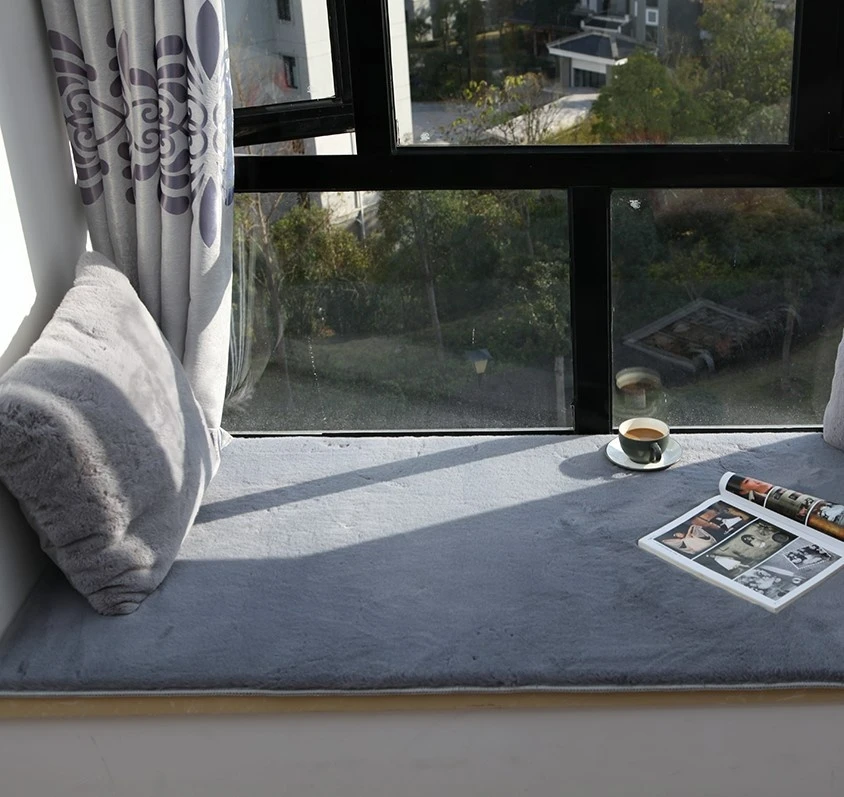
Performance evaluation of purple faux fur rugs centers on several key areas. Foot traffic resistance is assessed through Martindale abrasion testing, measuring the number of cycles before significant wear is observed. Pile crush resistance is evaluated by applying a defined weight for a specified duration and measuring the resulting pile height reduction. Colorfastness to light is determined using xenon arc fading tests (ASTM D4459), simulating prolonged sunlight exposure. Flammability is a crucial safety concern, typically evaluated according to standards like California Technical Bulletin 117, which assesses smolder resistance. Environmental resistance includes assessing resistance to common household chemicals (cleaning agents, spills) and moisture. The engineering design considerations involve optimizing the backing structure to provide dimensional stability and prevent delamination. The backing material’s tensile strength and elongation properties are critical. Furthermore, the rug’s overall weight and construction impact its handling and ease of placement. Static electricity build-up can be a concern, particularly in dry climates, necessitating the use of anti-static treatments. The performance is directly related to the choice of fiber, backing material, and the adhesive used, with each component contributing to the overall durability and longevity of the rug.
Technical Specifications
| Parameter | Unit | Typical Value (Low End) | Typical Value (High End) |
|---|---|---|---|
| Pile Height | mm | 20 | 60 |
| Fiber Density | fibers/in² | 800 | 2000 |
| Fiber Material | - | Polypropylene (PP) | Polyester (PET) |
| Backing Material | - | Polypropylene | Jute |
| Abrasion Resistance (Martindale) | cycles | 5,000 | 20,000 |
| Colorfastness to Light (Xenon Arc) | rating (1-5) | 4 | 5 |
Failure Mode & Maintenance
Common failure modes in purple faux fur rugs include fiber shedding, pile crush, color fading, and delamination of the backing. Fiber shedding is often a result of insufficient fiber lock during the tufting process or low fiber tenacity. Pile crush occurs under sustained pressure, particularly in areas of high foot traffic, leading to a flattened appearance. Color fading is caused by prolonged UV exposure, particularly if the dyes used are not lightfast. Delamination happens when the adhesive bond between the pile and backing fails, often due to moisture exposure or poor adhesive application. Oxidation of the polymer fibers over extended periods can also cause brittleness and eventual breakdown. Maintenance involves regular vacuuming to remove loose fibers and debris. Spot cleaning should be performed with a mild detergent and water, avoiding harsh chemicals that can damage the fibers. Professional cleaning is recommended for deep cleaning and stain removal. To minimize pile crush, rotate the rug periodically to distribute wear evenly. Direct sunlight exposure should be minimized to prevent color fading. Addressing spills promptly is crucial to prevent staining and potential adhesive degradation. Proper storage in a dry, well-ventilated area is important to prevent mold or mildew growth.
Industry FAQ
Q: What is the primary difference between polypropylene and polyester faux fur, and how does it impact rug performance?
A: Polypropylene is generally more cost-effective and offers better stain resistance, making it suitable for high-traffic areas. However, polyester has a softer hand feel, superior dye uptake resulting in richer, more vibrant colors, and better resilience. Polyester rugs typically hold their shape better over time and are less prone to crushing than polypropylene counterparts. The choice depends on the desired balance of cost, aesthetics, and durability.
Q: How do you quantify the ‘shedding’ potential of a faux fur rug?
A: Shedding is quantified through a series of tests, including the Taber abrasion test (modified to collect shed fibers) and visual inspection after simulated wear. Fiber loss is measured in grams per unit area. Lower fiber loss indicates better fiber lock and reduced shedding potential. The quality of the tufting process and the adhesive used play significant roles in minimizing shedding.
Q: What standards are used to assess the flammability of faux fur rugs?
A: The primary standard is California Technical Bulletin 117, which tests for smolder resistance. Additionally, some manufacturers may test according to ASTM E84 (Surface Burning Characteristics). Compliance with these standards is crucial for ensuring the safety of the product in residential and commercial environments.
Q: How does the backing material affect the overall durability and longevity of the rug?
A: The backing material provides structural integrity and prevents delamination. Polypropylene backings offer good moisture resistance and are relatively inexpensive. Jute backings are more breathable but susceptible to moisture damage and require careful handling. The tensile strength, elongation at break, and tear resistance of the backing are critical parameters. A high-quality backing significantly extends the rug’s lifespan.
Q: What are the common causes of color fading in purple faux fur rugs and how can they be mitigated?
A: Color fading is primarily caused by prolonged exposure to ultraviolet (UV) radiation. Mitigation strategies include using dyes with high lightfastness ratings, applying UV absorbers during the dyeing process, and minimizing direct sunlight exposure. Regularly rotating the rug can also help distribute UV exposure evenly, reducing localized fading.
Conclusion
Purple faux fur rugs represent a complex intersection of material science, manufacturing engineering, and aesthetic design. Achieving a high-performance product requires meticulous attention to detail throughout the entire production process, from fiber selection and tufting techniques to backing material choice and adhesive application. Understanding the potential failure modes and implementing appropriate preventative maintenance strategies is crucial for maximizing the rug’s lifespan and maintaining its aesthetic appeal.
Future developments in this area will likely focus on incorporating recycled materials into the fiber and backing construction, improving dye technologies to enhance colorfastness and reduce environmental impact, and developing more durable adhesive systems to prevent delamination. Continued research into fiber treatments to minimize shedding and enhance the tactile experience will also be critical for maintaining the competitiveness of faux fur rugs in the decorative textile market.