

residential carpet Performance Engineering
Introduction
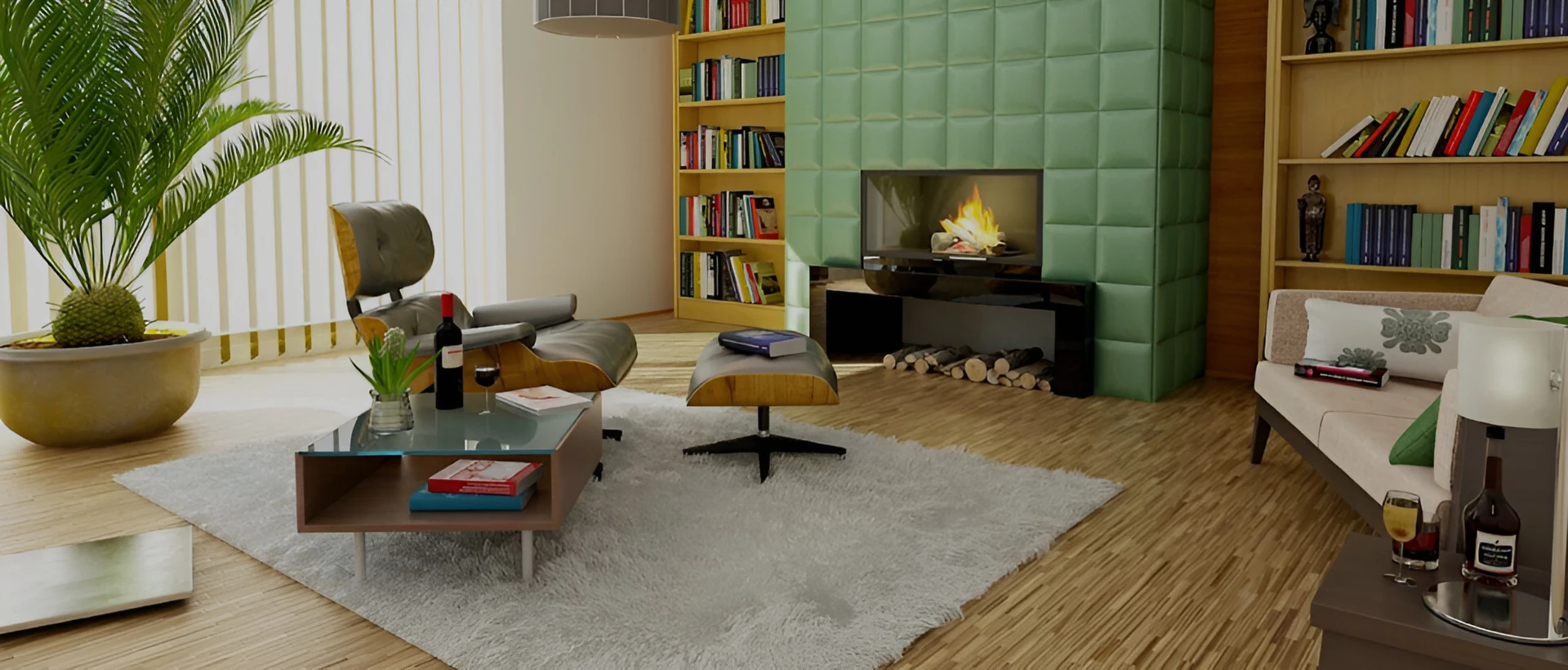
Residential carpet is a textile floor covering consisting of an upper layer of pile attached to a backing. It constitutes a significant portion of the interior finishing market, offering both aesthetic and functional benefits. Positioned downstream from fiber production (nylon, polypropylene, polyester, wool) and yarn manufacturing, residential carpet bridges the gap between raw material science and consumer application. Its core performance characteristics center on durability (measured in abrasion resistance and pile retention), comfort (pile density and height), and aesthetic versatility (color, texture, pattern). Current market drivers emphasize stain resistance, hypoallergenic properties, and sustainable manufacturing practices. The industry faces challenges related to volatile raw material costs, increasing demand for eco-friendly alternatives, and evolving consumer preferences regarding texture and appearance.
Material Science & Manufacturing
The primary raw materials for residential carpet are fibers – predominantly nylon (specifically Type 6 and Type 6,6), polypropylene (also known as olefin), polyester (PET), and wool. Nylon offers superior resilience, durability, and stain resistance, owing to its high tensile strength (typically 60-80 MPa) and inherent elasticity. Polypropylene is cost-effective and demonstrates good stain resistance, although its lower melting point (around 160°C) impacts its resilience and performance under high temperatures. Polyester provides excellent color clarity and is relatively inexpensive, but its abrasion resistance is generally lower than nylon. Wool, a natural fiber, delivers exceptional softness, insulation, and inherent flame resistance, but it's also the most expensive and susceptible to moth damage.
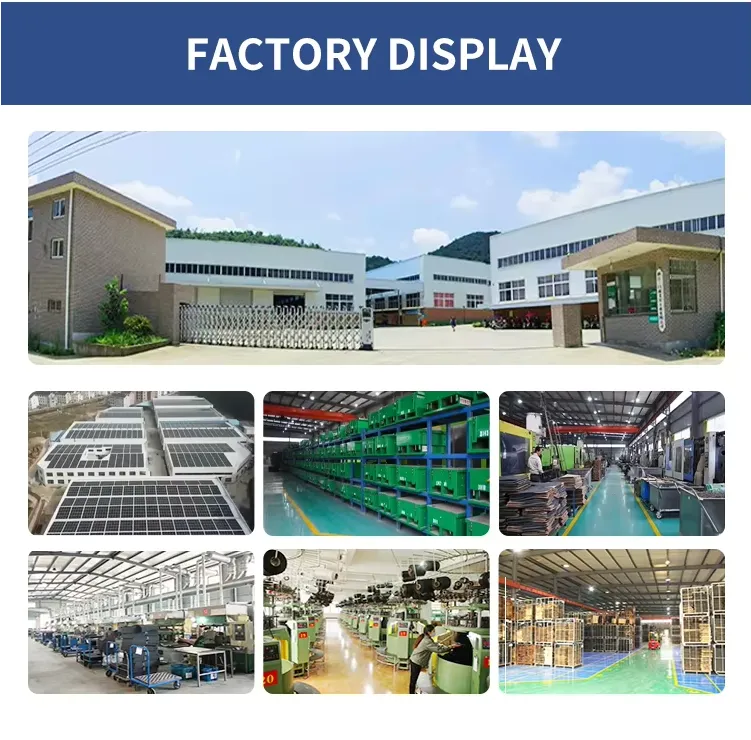
Manufacturing involves several key stages. Yarn is produced through extrusion (for synthetic fibers) or carding and spinning (for wool). Tufting is the dominant carpet construction method, where yarns are inserted through a primary backing material (typically polypropylene). Loop pile carpets are created by leaving the yarn loops intact, while cut pile carpets involve cutting the loops to create a softer surface. Needle punching mechanically interlocks fibers into the backing, providing structural integrity. A secondary backing (often latex or polyurethane) is applied to enhance stability and provide cushioning. Finishing processes include dyeing, printing, and applying stain-resistant treatments (often based on fluorochemicals or polyurethane). Precise control of extrusion temperature, yarn tension, and tufting density are crucial parameters. Variation in these parameters directly affects carpet density, pile height, and overall durability.
Performance & Engineering
Residential carpet performance is dictated by several engineering principles. Pile density (measured in ounces per square yard) directly correlates with durability and resilience; higher density equates to improved resistance to crushing and matting. Pile height (the length of the fibers) influences comfort and aesthetic appeal, but taller piles are more susceptible to wear. The gauge (the number of ends per inch) affects the definition and clarity of patterns. The backing system provides structural support and dimensional stability. Force analysis is critical in understanding carpet deformation under load – quantifying the compression set and recovery characteristics.
Environmental resistance is a key consideration. Carpets must withstand prolonged exposure to UV radiation (causing color fading), moisture (promoting mold and mildew growth), and temperature fluctuations (affecting dimensional stability). Compliance requirements, such as those set by the Carpet and Rug Institute (CRI) Green Label Plus program, mandate low VOC emissions and adherence to stringent indoor air quality standards. Fire resistance is also paramount; carpets are typically treated with flame retardants to meet flammability standards (e.g., ASTM D2856). The testing of carpet involves standardized methods for assessing wear resistance (e.g., Taber abrasion), colorfastness to light (e.g., ASTM D4157), and stain resistance (e.g., AATCC 115).
Technical Specifications
| Property | Nylon 6,6 | Polypropylene | Polyester (PET) | Wool |
|---|---|---|---|---|
| Tensile Strength (MPa) | 60-80 | 40-60 | 50-70 | 80-120 |
| Abrasion Resistance (cycles to wear) | 10,000+ | 3,000-7,000 | 5,000-8,000 | 8,000+ |
| Moisture Regain (%) | 3.5-4.0 | 0.5-1.0 | 0.4-0.8 | 14-18 |
| Melting Point (°C) | 260-270 | 160-170 | 230-250 | N/A (Decomposes) |
| Stain Resistance (rating 1-5, 5=excellent) | 4-5 | 4 | 3-4 | 3-4 (requires treatment) |
| Pile Density (oz/sq yd) | 30-80 | 20-60 | 25-70 | 40-90 |
Failure Mode & Maintenance
Common failure modes in residential carpet include delamination (separation of the primary and secondary backing), fiber breakage (leading to pile loss), crushing (permanent deformation of the pile), and discoloration (due to UV exposure or staining). Delamination often arises from inadequate adhesive bonding during manufacturing or prolonged exposure to moisture. Fiber breakage is primarily caused by abrasive wear, particularly in high-traffic areas. Crushing results from repeated compression, reducing the carpet's resilience. Discoloration is typically attributed to photochemical degradation of dyes or the ingress of staining agents.
Preventative maintenance is crucial for extending carpet lifespan. Regular vacuuming removes abrasive dirt and debris that contribute to wear. Prompt stain removal prevents permanent damage. Professional hot water extraction (steam cleaning) periodically removes embedded soil and rejuvenates the pile. Rotation of area rugs distributes wear evenly. Protecting carpets from direct sunlight minimizes fading. In cases of significant wear or damage, professional carpet repair services can often restore the carpet's appearance and functionality. Addressing moisture issues promptly prevents mold and mildew growth, preserving the carpet's integrity. Regular inspection for loose seams or tufts can prevent larger failures.
Industry FAQ
Q: What is the impact of different backing materials on carpet longevity?
A: Backing materials significantly influence longevity. Woven polypropylene backings are robust and provide excellent dimensional stability. However, they can be less flexible. Foam rubber backings offer superior cushioning but may be less durable over time and are susceptible to compression set. Latex backings are cost-effective, but can degrade with age and moisture exposure. Polyurethane backings represent a balance, providing good durability, flexibility, and moisture resistance, but at a higher cost.
Q: How do different pile types (loop, cut, Berber) affect stain resistance and maintenance?
A: Loop pile carpets, like Berber, tend to be more stain-resistant due to the tighter weave, which minimizes dye site exposure. They are also more durable but can snag more easily. Cut pile carpets are softer and more luxurious but generally exhibit lower stain resistance. The density of the cut pile significantly impacts stain resistance; denser piles offer better protection. Regular vacuuming is critical for all pile types, but Berber carpets may require more frequent deep cleaning.
Q: What are the environmental implications of different carpet fiber choices?
A: Nylon is derived from petroleum, a non-renewable resource. However, significant advancements in nylon recycling are mitigating this concern. Polypropylene also relies on petroleum, but its production requires less energy than nylon. Polyester can be produced from recycled PET bottles, making it a more sustainable option. Wool is a renewable resource, but its production can have environmental impacts related to land use and methane emissions from sheep. Life Cycle Assessments (LCAs) are increasingly used to evaluate the overall environmental footprint of different carpet options.
Q: What are the advantages and disadvantages of solution-dyed versus piece-dyed carpet?
A: Solution-dyed carpet has the color incorporated into the fiber itself during manufacturing, resulting in superior colorfastness and stain resistance. Piece-dyed carpet is dyed after it’s been created, which can be less colorfast, but allows for greater design flexibility. Solution-dyed carpets are generally more expensive but offer significantly longer-lasting color. Piece-dyed carpets are typically more affordable and provide a wider range of colors and patterns.
Q: How important is carpet padding in terms of performance and lifespan?
A: Carpet padding is vitally important. It provides cushioning, extends carpet lifespan by absorbing impact and reducing wear, and improves sound and thermal insulation. Padding density and thickness should be selected based on the carpet type and intended use. Inadequate padding can lead to premature carpet wear and delamination. High-quality padding will enhance comfort and reduce noise transmission.
Conclusion
Residential carpet selection necessitates a holistic understanding of material science, manufacturing processes, and performance characteristics. Nylon remains the dominant fiber choice due to its balance of durability, resilience, and stain resistance, although sustainable alternatives like recycled polyester are gaining traction. Effective maintenance, including regular vacuuming and prompt stain removal, is paramount for maximizing lifespan and preserving aesthetic appeal. Ongoing innovation in fiber technology and backing systems continues to push the boundaries of carpet performance and sustainability.
Looking ahead, the industry will likely see increased demand for bio-based fibers, enhanced stain-resistant treatments that minimize environmental impact, and smart carpet technologies integrating sensors for monitoring air quality or foot traffic. A deeper focus on circular economy principles, including carpet recycling and upcycling initiatives, will be crucial for reducing waste and promoting a more sustainable future for the residential carpet sector.