

small faux sheepskin rug Performance Analysis
Introduction
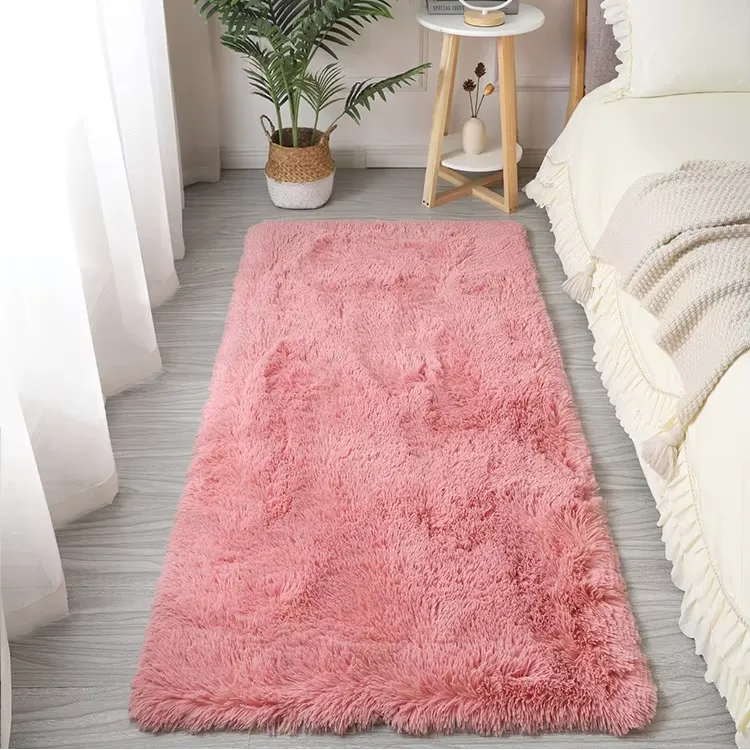
Small faux sheepskin rugs represent a significant product category within the broader home textiles industry, functioning as decorative and comfort-enhancing floor coverings. Positioned as a synthetic alternative to natural sheepskin, these rugs address concerns regarding animal welfare, cost, and ease of maintenance. Their production necessitates expertise in polymer science, textile manufacturing, and surface treatment. Core performance characteristics include pile density, fiber durability, colorfastness, and resistance to shedding. The market demand is driven by consumer preferences for affordable luxury, hypoallergenic options, and versatile styling within interior design. This guide provides a comprehensive technical overview of small faux sheepskin rugs, detailing material composition, manufacturing processes, performance criteria, potential failure modes, and relevant industry standards.
Material Science & Manufacturing
The predominant material in faux sheepskin rugs is typically a synthetic fiber, most commonly acrylic or polyester. Acrylic fibers (polyacrylonitrile) offer a softer, wool-like feel due to their inherent bulk and crimp. However, they possess lower abrasion resistance compared to polyester. Polyester fibers (polyethylene terephthalate) exhibit superior durability, resilience, and resistance to fading, making them suitable for high-traffic areas. The base of the rug often comprises a non-woven polypropylene fabric or a woven jute backing, providing structural integrity.
Manufacturing generally involves several key steps. First, the synthetic fibers are extruded and processed into individual filaments. These filaments undergo crimping to impart texture and bulk. The crimped fibers are then tufted or needled into the backing material, creating the pile. Tufting involves inserting loops of yarn through the backing and securing them with a latex adhesive. Needle punching uses barbed needles to interlock the fibers with the backing, creating a denser pile. After tufting or needle punching, the rug undergoes shearing to achieve a uniform pile height and density. Finally, a finishing process may include dyeing, printing, and application of stain-resistant treatments. Critical parameters during manufacturing include fiber denier (fineness), pile density (fibers per square inch), tuft height, and adhesive strength. Variations in these parameters directly impact the rug's tactile feel, durability, and aesthetic appearance. Dyeing requires careful control of temperature, pH, and dye concentration to ensure consistent colorfastness and prevent fiber damage.
Performance & Engineering
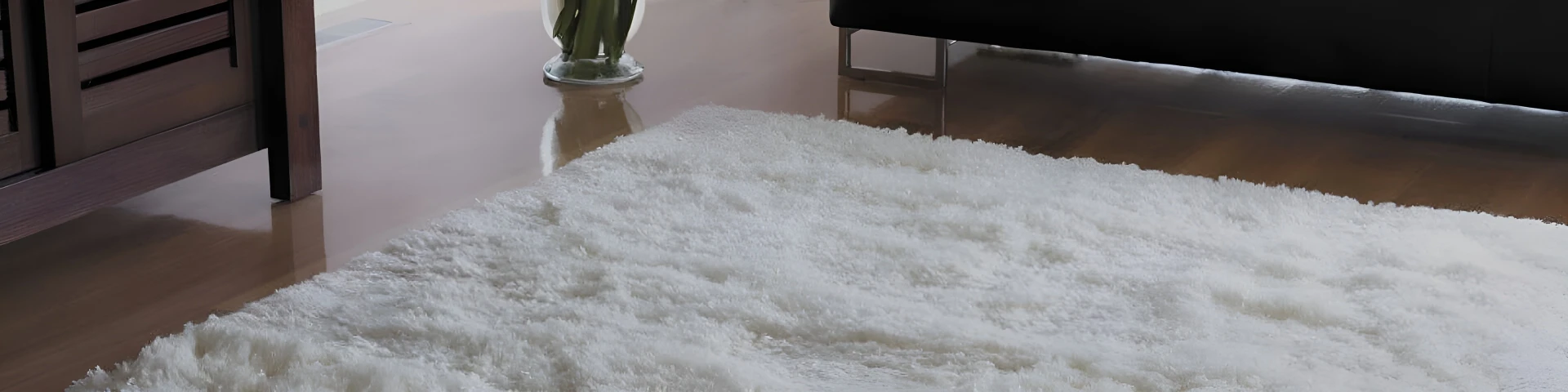
The performance of a small faux sheepskin rug is dictated by its ability to withstand physical stresses and environmental factors. Force analysis focuses on tensile strength (resistance to pulling forces), tear strength (resistance to ripping), and compression set (ability to recover its original shape after being compressed). Pile density directly correlates to perceived comfort and cushioning. Environmental resistance encompasses colorfastness to light exposure (preventing fading), resistance to water absorption (preventing mildew and damage), and resistance to common household chemicals (cleaning agents).
Compliance requirements are largely governed by flammability standards, particularly for rugs intended for residential use. These standards, such as those established by the Consumer Product Safety Commission (CPSC) in the United States, specify limits on flame spread and smoke development. Furthermore, considerations regarding VOC (Volatile Organic Compound) emissions are becoming increasingly important due to health and environmental concerns. Certain finishing treatments may contain VOCs, necessitating adherence to strict emission limits. The rug's structural integrity is also crucial; the bond between the pile fibers and the backing must withstand repeated foot traffic and cleaning. Engineered solutions often involve employing high-strength adhesives and reinforcing the backing material with additional layers of fabric.
Technical Specifications
| Parameter | Acrylic Fiber Rug | Polyester Fiber Rug | Typical Range |
|---|---|---|---|
| Pile Height (mm) | 20-30 | 15-25 | 15-40 |
| Pile Density (fibers/inch²) | 800-1200 | 1000-1500 | 600-2000 |
| Fiber Denier | 3-6 | 2-4 | 2-8 |
| Tensile Strength (N/cm) | 5-8 | 8-12 | 4-15 |
| Colorfastness to Light (Rating 1-5) | 3-4 | 4-5 | 2-5 (5 being excellent) |
| Water Absorption (%) | 2-4 | 0.5-2 | 0-5 |
Failure Mode & Maintenance
Common failure modes in small faux sheepskin rugs include fiber shedding, pile crushing, color fading, and delamination (separation of the pile from the backing). Fiber shedding is primarily caused by insufficient fiber entanglement during manufacturing or abrasion during use. Pile crushing occurs due to prolonged compression, particularly in high-traffic areas, resulting in a loss of cushioning. Color fading is typically attributed to UV exposure, especially with acrylic fibers which exhibit lower lightfastness than polyester. Delamination arises from inadequate adhesive bonding between the pile and backing, often exacerbated by repeated cleaning and moisture exposure. Oxidation of acrylic fibers can also lead to brittleness and increased shedding over time.
Maintenance practices significantly impact the longevity of the rug. Regular vacuuming (using a suction-only attachment) removes loose dirt and debris, minimizing abrasive wear. Spot cleaning with a mild detergent and water is recommended for spills, avoiding harsh chemicals that can damage the fibers. Professional cleaning is advisable for deeper cleaning and stain removal. To prevent pile crushing, rotate the rug periodically to distribute wear evenly. Avoid prolonged direct sunlight exposure to minimize color fading. Storage in a cool, dry place is essential to prevent mildew and delamination. Repairing localized delamination may involve re-adhering the pile to the backing using a suitable latex adhesive, though this often provides a temporary fix.
Industry FAQ
Q: What is the primary difference between acrylic and polyester faux sheepskin rugs regarding durability?
A: Polyester generally exhibits superior abrasion resistance and resilience compared to acrylic. While acrylic provides a softer initial feel, it is more prone to shedding and pile crushing under sustained use. Polyester rugs are better suited for high-traffic areas and will maintain their appearance for a longer period.
Q: How do different backing materials affect the overall performance of the rug?
A: The backing material provides structural support and influences the rug's stability and longevity. Polypropylene non-woven backing is cost-effective but may offer limited durability. Woven jute backing provides greater strength and resistance to stretching, but is susceptible to moisture damage. Rubber or latex-backed rugs offer enhanced grip and cushioning but may contain VOCs.
Q: What flammability standards are typically applied to faux sheepskin rugs?
A: Faux sheepskin rugs are generally required to meet flammability standards established by regulatory bodies such as the CPSC in the United States and similar organizations in other countries. These standards typically focus on limiting flame spread and smoke development to ensure occupant safety.
Q: How can I minimize color fading in a faux sheepskin rug?
A: Minimize exposure to direct sunlight. Use curtains or blinds to filter UV rays. Regularly rotate the rug to distribute light exposure evenly. Consider rugs made from polyester fibers, which offer better lightfastness than acrylic. Avoid harsh cleaning chemicals that can strip dye from the fibers.
Q: What is the best method for cleaning a faux sheepskin rug to prevent damage?
A: Regular vacuuming with a suction-only attachment is crucial. Spot clean spills immediately with a mild detergent and water. Avoid using abrasive cleaners or excessive amounts of water. Professional cleaning is recommended for deeper cleaning. Ensure the rug is thoroughly dried after cleaning to prevent mildew.
Conclusion
Small faux sheepskin rugs represent a compelling alternative to natural sheepskin, offering a balance of aesthetics, affordability, and practicality. The selection of appropriate materials – primarily acrylic or polyester – alongside precise manufacturing controls governing pile density, fiber entanglement, and adhesive bonding, critically determines the rug’s overall performance characteristics and lifespan. Understanding potential failure modes, such as fiber shedding, pile crushing, and delamination, is crucial for implementing effective maintenance practices and maximizing product longevity.
Future development in this area is likely to focus on incorporating recycled materials, developing more sustainable manufacturing processes, and enhancing stain resistance through advanced surface treatments. The increasing demand for hypoallergenic and eco-friendly home textiles will further drive innovation in faux sheepskin rug technology. Adherence to established industry standards and rigorous quality control measures will remain paramount to ensuring consistent product performance and consumer satisfaction.