


small white fur rug Performance Analysis

Introduction
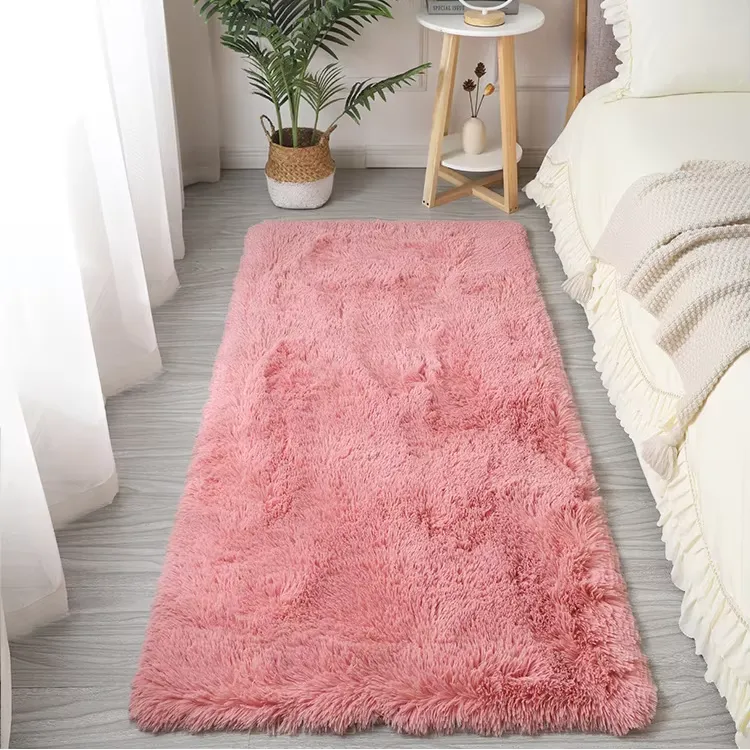
Small white fur rugs, typically classified as decorative floor coverings, occupy a specific niche within the broader textile and home furnishings industry. These rugs primarily function as accent pieces, providing tactile comfort and aesthetic appeal. Their construction generally involves a base material – often a woven polypropylene or jute backing – covered with synthetic or natural fur fibers. The industry is driven by consumer demand for affordable luxury and enhanced interior aesthetics. Core performance characteristics revolve around pile density, fiber durability, colorfastness, and resistance to shedding. A key challenge for manufacturers lies in balancing cost-effectiveness with desirable softness, longevity, and adherence to stringent VOC emission standards. The rug’s technical position in the supply chain involves raw material sourcing (polymer production or animal hide processing), fiber extrusion/weaving, backing fabrication, and final finishing and packaging.
Material Science & Manufacturing
The primary materials used in small white fur rugs dictate their performance and durability. The “fur” component is typically manufactured from either synthetic fibers – primarily modacrylic or polyester – or natural animal hides (rabbit, sheepskin). Modacrylic offers a soft hand-feel and good resistance to abrasion and flammability, while polyester is favored for its lower cost and excellent color retention. Polyester fiber denier typically ranges from 0.5 to 1.5 D, influencing the rug’s softness. The backing material is commonly polypropylene (PP) due to its cost-effectiveness, moisture resistance, and tensile strength (approximately 20-40 MPa). Jute, a natural fiber, is also utilized for backing, offering biodegradability but with lower tensile strength (around 60 MPa) and greater susceptibility to moisture damage. Manufacturing involves several key processes: fiber extrusion (for synthetic fibers), dyeing (utilizing disperse dyes for polyester or basic dyes for modacrylic), fiber cutting, and tufting or weaving. Tufting, the most common method, involves inserting fibers through a primary backing material. A secondary backing – often latex or PVC – is then applied to secure the tufts. Critical parameters during tufting include gauge (fiber density), pile height, and yarn tension. Post-tufting processes include shearing to achieve a consistent pile height and brushing to enhance softness. Latex adhesives require careful control of formulation and application temperature to prevent cracking and delamination. Quality control focuses on pile weight (g/m²), fiber content, and dimensional stability. For rugs utilizing genuine animal hides, tanning processes utilizing chromium salts or vegetable tannins are crucial, followed by dyeing and backing attachment using specialized adhesives.
Performance & Engineering
The performance of a small white fur rug is heavily reliant on its structural integrity and resistance to degradation. Key engineering considerations include assessing the rug’s resistance to compression set, abrasion, and shedding. Compression set, a measure of permanent deformation under sustained load, is critical for maintaining the rug’s plushness. Abrasion resistance is evaluated using methods like the Taber abrasion test, measuring weight loss as a function of abrasion cycles. Shedding, a common consumer complaint, is directly related to fiber anchoring strength and pile construction. Force analysis under foot traffic reveals shear stresses concentrated at the fiber-backing interface. Environmental resistance is a significant concern. Exposure to UV radiation can cause color fading and fiber degradation, particularly in polyester fibers. Moisture absorption by the backing can lead to mold growth and dimensional instability. Flame retardancy is a crucial safety consideration, often addressed through the use of flame-retardant treatments (typically boron-based compounds). Compliance requirements include adherence to VOC emission standards (California Section 01350), flammability standards (ASTM D2859), and heavy metal content restrictions (REACH). The rug's performance is also affected by its cleaning requirements, dictating the need for specific cleaning agents and methods to maintain its aesthetic and hygienic properties. Understanding the dynamic loading experienced during use (repeated compression and shear) is critical for predicting long-term performance.
Technical Specifications
| Parameter | Unit | Typical Value (Synthetic Fur) | Typical Value (Real Fur – Sheepskin) |
|---|---|---|---|
| Pile Height | mm | 20-30 | 25-40 |
| Pile Weight | g/m² | 600-1200 | 800-1500 |
| Fiber Composition | - | Polyester/Modacrylic | Sheepskin (Wool) |
| Backing Material | - | Polypropylene | Leather/Textile |
| Tensile Strength (Backing) | MPa | 20-40 | 30-50 |
| Abrasion Resistance (Taber) | Cycles to 5% Weight Loss | 500-1000 | 700-1200 |
Failure Mode & Maintenance
Small white fur rugs are susceptible to several failure modes. Fiber shedding is a common issue, exacerbated by low-quality fiber anchoring or excessive abrasion. Matting and crushing of the pile occur due to repeated compression, particularly in high-traffic areas. Delamination of the backing can result from adhesive failure, often caused by moisture exposure or improper adhesive formulation. Color fading, primarily in synthetic fibers, is a consequence of UV degradation. For real fur rugs, degradation of the hide due to improper tanning or insect infestation can lead to structural weakening. Staining from spills is a frequent concern, requiring prompt and appropriate cleaning. Oxidation of synthetic fibers over extended periods can cause discoloration and brittleness. Maintenance recommendations include regular vacuuming to remove debris and prevent matting. Spot cleaning with a mild detergent solution is advised for spills. Professional cleaning is recommended annually, utilizing dry cleaning methods for real fur and appropriate extraction techniques for synthetic fibers. Avoid excessive exposure to direct sunlight. For rugs with latex backing, avoid prolonged contact with damp surfaces. Proper storage in a dry, well-ventilated area is essential to prevent mold growth and degradation. Addressing localized wear with spot repairs (fiber re-tufting or hide patching) can extend the rug's lifespan.
Industry FAQ
Q: What is the difference between modacrylic and polyester fur and how does it affect the rug's durability?
A: Modacrylic generally offers superior resilience and a softer hand-feel compared to polyester. While polyester boasts excellent colorfastness and lower cost, modacrylic exhibits better resistance to abrasion and crushing, contributing to a longer lifespan. However, high-quality polyester fibers can perform comparably with proper manufacturing and care.
Q: How does the backing material influence the overall performance and longevity of the rug?
A: The backing provides structural support and prevents fiber pull-out. Polypropylene is cost-effective and moisture-resistant, but jute offers biodegradability. The adhesive used to bond the fibers to the backing is critical; latex adhesives require precise formulation to prevent cracking and delamination over time.
Q: What are the typical VOC emission levels and how are they controlled during manufacturing?
A: VOC emissions primarily originate from the adhesives and dyes used in the manufacturing process. Manufacturers adhere to standards like California Section 01350, which limits VOC emissions. Using low-VOC adhesives, employing proper ventilation during production, and post-production curing processes help control emissions.
Q: How does UV exposure affect the color and structural integrity of the rug fibers?
A: UV radiation can cause photo-degradation of both synthetic and natural fibers. Polyester is particularly susceptible to fading. UV stabilizers can be added during fiber production to mitigate this effect. Rotating the rug periodically and avoiding prolonged direct sunlight exposure are recommended preventative measures.
Q: What are the best practices for cleaning a small white fur rug to avoid damage?
A: Regular vacuuming is crucial. For spills, spot clean immediately with a mild detergent solution and avoid excessive moisture. Professional dry cleaning is recommended annually, especially for real fur rugs. Avoid harsh chemicals or abrasive cleaning methods.
Conclusion
Small white fur rugs represent a balance between aesthetic appeal, tactile comfort, and manufacturing cost. The selection of materials – from synthetic fibers like polyester and modacrylic to backing materials like polypropylene and jute – significantly impacts the rug’s durability, resistance to wear, and overall performance. Understanding the interplay between fiber properties, manufacturing processes, and environmental factors is crucial for producing high-quality, long-lasting products.
Future development in this area may focus on utilizing recycled materials, implementing more sustainable tanning processes for real fur rugs, and developing innovative adhesive technologies with reduced VOC emissions. Improving fiber anchoring techniques and exploring novel pile construction methods can further enhance the rug’s resistance to shedding and matting, ultimately leading to greater customer satisfaction and prolonged product lifecycles.