


soft faux fur rug Performance Analysis
Introduction
Soft faux fur rugs represent a significant advancement in interior textile engineering, offering a cost-effective and ethically sourced alternative to natural fur. These rugs are comprised of synthetic fibers engineered to mimic the tactile and visual properties of animal fur, serving primarily as decorative floor coverings but also finding application in pet bedding and specialized industrial settings requiring soft, non-abrasive surfaces. Their position in the textile value chain is as a finished good, utilizing polymer extrusion, fiber treatment, and backing materials. Core performance characteristics center around pile height, density, fiber composition, durability, and resistance to shedding. The market demand is driven by aesthetic preferences, vegan lifestyles, and increasing concerns regarding animal welfare. Key industry pain points revolve around maintaining consistent fiber quality, minimizing shedding, achieving realistic texture replication, and ensuring long-term colorfastness and resilience to wear.
Material Science & Manufacturing
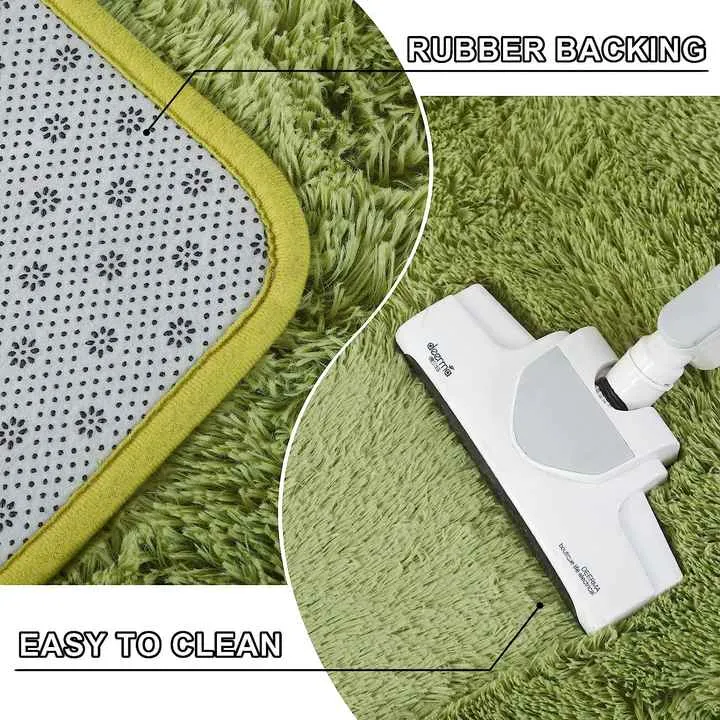
The primary raw material for soft faux fur rugs is typically polypropylene (PP) or polyester (PET). Polypropylene offers excellent stain resistance, affordability, and a softer hand feel, while polyester provides superior durability and color retention. The manufacturing process begins with polymer extrusion, creating continuous filaments. These filaments are then processed through texturing techniques – crimping, curling, or twisting – to achieve the desired bulk and springiness characteristic of fur. The specific denier (fiber thickness) and crimp frequency are critical parameters influencing the final product's texture. The textured fibers are subsequently cut to a specific pile length, often ranging from 20mm to 60mm, and attached to a backing material. Backing materials typically consist of jute, felt, or a combination of synthetic fibers bonded with latex or polyurethane adhesive. Latex provides excellent adhesion but can contribute to odor and potential allergenicity. Polyurethane is a more premium option, offering improved durability and breathability. Key parameter control during manufacturing includes maintaining consistent fiber denier, controlling the texturing process to ensure uniform crimp, and regulating the adhesive application to prevent fiber detachment. Proper curing of the adhesive is crucial for long-term rug integrity. Fiber anti-static treatment is also common, reducing dust accumulation and improving tactile comfort.
Performance & Engineering
The performance of a soft faux fur rug is dictated by several engineering considerations. Pile density, measured in ounces per square yard (oz/yd²), directly correlates with the rug’s perceived luxury and durability. Higher pile density equates to a more plush feel and improved resistance to flattening. Force analysis involves evaluating the compression set – the permanent deformation that occurs under sustained load. Lower compression set indicates better resilience and recovery. Environmental resistance is crucial, particularly concerning UV exposure and moisture. Prolonged UV exposure can lead to fiber degradation and color fading, necessitating the inclusion of UV stabilizers in the polymer formulation. Moisture absorption, while generally low for PP and PET, can contribute to mold growth if the rug remains damp. Compliance requirements vary by region, but typically involve flammability testing (meeting standards like California Technical Bulletin 117), VOC emission testing (ensuring low levels of volatile organic compounds), and formaldehyde testing. The backing material plays a vital role in slip resistance; incorporating latex or synthetic rubber adds friction and prevents unintended movement. The rug’s overall weight distribution and structural integrity are also critical for maintaining shape and preventing buckling.
Technical Specifications
| Parameter | Polypropylene (PP) Faux Fur | Polyester (PET) Faux Fur | Units |
|---|---|---|---|
| Pile Height | 25-50 | 30-60 | mm |
| Pile Density | 800-1500 | 1200-2000 | g/m² |
| Fiber Denier | 30-100 | 50-150 | dtex |
| Tensile Strength | 30-50 | 50-80 | N |
| Colorfastness to Light (Gray Scale) | 4-6 | 6-8 | Rating (1-8) |
| Moisture Absorption | 0.1-0.5 | 0.4-0.8 | % |
Failure Mode & Maintenance
Common failure modes for soft faux fur rugs include fiber shedding, pile matting, color fading, and delamination of the backing. Shedding is often most prominent during the initial use period and is caused by loose fibers dislodging from the pile. Pile matting occurs due to the fibers becoming compressed and flattened over time, reducing the rug’s plushness. Color fading is primarily attributed to UV exposure, particularly with lower-quality dyes. Delamination refers to the separation of the pile from the backing material, typically caused by adhesive failure or wear and tear. Oxidation of the polymer fibers can also occur over extended periods, leading to brittleness and cracking. Professional maintenance involves regular vacuuming with a brush attachment to remove loose debris and prevent fiber entanglement. Spot cleaning with a mild detergent and water is recommended for spills. Avoid harsh chemicals and abrasive cleaners, which can damage the fibers. For deep cleaning, professional rug cleaning services are advised, utilizing specialized equipment and cleaning solutions. Rotating the rug periodically can help distribute wear evenly and prolong its lifespan. Storage in a cool, dry, and well-ventilated area is crucial to prevent mold growth and maintain fiber integrity.
Industry FAQ
Q: What is the primary difference between polypropylene and polyester faux fur in terms of durability?
A: Polyester generally exhibits higher tensile strength and abrasion resistance compared to polypropylene. While polypropylene is softer and more stain-resistant, polyester is better suited for high-traffic areas and will withstand wear and tear for a longer duration. Polyester also maintains its shape better, resisting crushing and matting more effectively.
Q: How can we mitigate the issue of shedding in faux fur rugs?
A: Shedding is inherent in faux fur rugs, especially initially. However, it can be minimized through careful manufacturing processes – ensuring secure fiber anchoring and utilizing higher-quality fibers. Regular vacuuming with a brush attachment helps remove loose fibers. A pre-treatment with a fiber-locking spray can also temporarily reduce shedding.
Q: What flammability standards are typically applicable to faux fur rugs?
A: The most common flammability standard is California Technical Bulletin 117, which assesses the smolder resistance of the rug. Additionally, some regions may require compliance with standards like NFPA 701 (Flame Propagation of Textiles and Films) for larger installations or commercial use. Proper labeling indicating flammability compliance is essential.
Q: What impact does the backing material have on the overall performance of the rug?
A: The backing material provides structural support and contributes significantly to slip resistance. Jute is a natural, breathable option, but less durable than synthetic alternatives. Felt offers moderate durability and cushioning. Latex provides excellent adhesion and slip resistance but can have odor and allergen concerns. Polyurethane is a premium choice, combining durability, breathability, and enhanced adhesion.
Q: How do UV stabilizers affect the lifespan of a faux fur rug exposed to sunlight?
A: UV stabilizers are chemical additives incorporated into the polymer formulation to absorb or reflect ultraviolet radiation. Without these stabilizers, UV exposure will cause the polymer chains to break down, leading to color fading, fiber embrittlement, and reduced overall durability. The concentration and type of UV stabilizer significantly impact the rug’s resistance to photodegradation.
Conclusion
Soft faux fur rugs represent a sophisticated fusion of polymer science and textile engineering, offering a viable and ethically-conscious alternative to natural fur. Their performance characteristics, while dependent on material selection and manufacturing precision, are continually improving through advancements in fiber technology and backing material design. Maintaining consistent fiber quality, minimizing shedding, and ensuring long-term colorfastness remain key challenges for manufacturers.
Future development will likely focus on incorporating recycled materials into the fiber composition, enhancing UV resistance through novel stabilizer formulations, and exploring innovative backing materials with improved slip resistance and environmental sustainability. Ultimately, the success of soft faux fur rugs hinges on their ability to consistently deliver a luxurious aesthetic, durable performance, and responsible sourcing practices, meeting the evolving demands of the consumer market.