


soft fur rugs Performance Analysis
Introduction
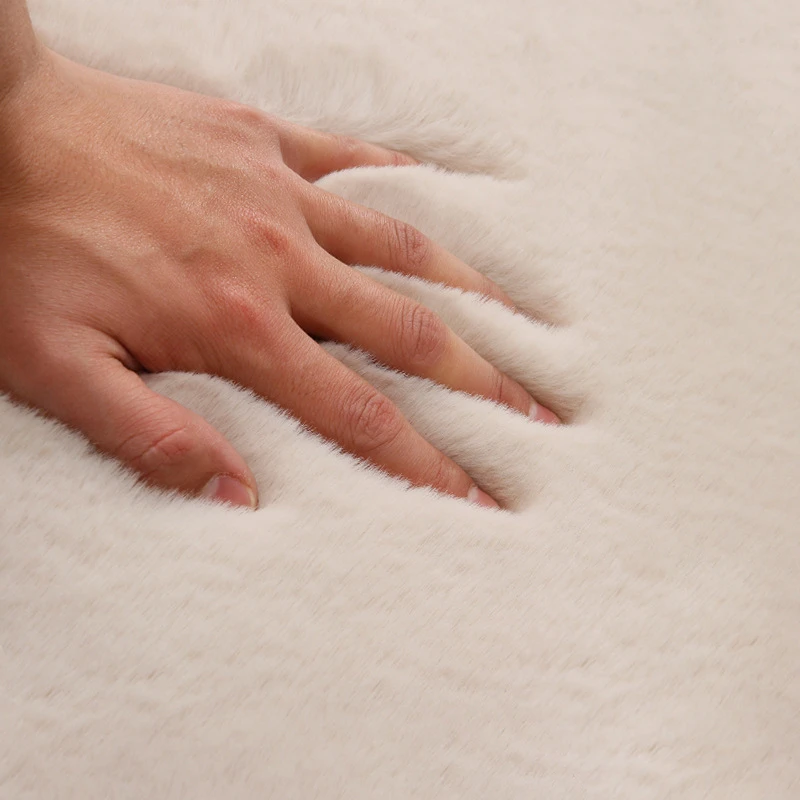
Soft fur rugs represent a significant segment within the broader floor covering industry, positioned as a luxury and comfort-focused product. These rugs, typically constructed from synthetic or natural fibers designed to mimic the texture of animal fur, serve primarily aesthetic and tactile functions within residential and commercial spaces. Their technical position lies in the convergence of textile engineering, material science, and manufacturing processes geared towards creating a durable, visually appealing, and soft underfoot experience. Core performance characteristics include pile density, fiber composition, backing material durability, and resistance to shedding, staining, and wear. Unlike traditional woven rugs, soft fur rugs frequently employ techniques like tufting or needle punching to create the dense, luxurious pile that defines their appeal. Understanding these technical aspects is crucial for procurement managers, interior designers, and manufacturers aiming to optimize product quality, longevity, and cost-effectiveness.
Material Science & Manufacturing
The production of soft fur rugs relies heavily on advancements in fiber technology and textile manufacturing. The primary raw materials fall into two categories: synthetic fibers and natural fibers. Synthetic fibers, predominantly polypropylene (PP) and polyester (PET), are favored for their cost-effectiveness, stain resistance, and durability. Polypropylene, specifically, benefits from its inherent hydrophobic properties, making it less susceptible to water absorption and microbial growth. Polyester offers superior resilience and color retention. Natural fibers, while less common due to cost and maintenance concerns, include wool, sheepskin, and occasionally rabbit fur. Wool provides natural warmth, inherent flame resistance, and a luxurious feel, but demands specialized cleaning. Sheepskin, often used for smaller accent rugs, offers exceptional softness and insulation.
Manufacturing typically begins with fiber extrusion (for synthetics) or shearing/processing (for natural fibers). Synthetic fibers are then processed into yarn through drawing and texturing. The critical process is pile formation, commonly achieved through tufting or needle punching. Tufting involves inserting yarn loops through a primary backing material (typically polypropylene or jute). These loops are then secured with a secondary backing, often a latex or polyurethane foam layer, for added stability and cushioning. Needle punching interlocks fibers directly into the backing material using barbed needles, creating a denser, more compact pile. Key parameters during manufacturing include yarn denier (fiber thickness), pile height, pile weight (grams per square meter – GSM), and backing adhesive viscosity. Accurate control of these parameters is essential to achieving the desired softness, durability, and aesthetic qualities. Dyeing processes utilize various techniques, including solution dyeing (for superior colorfastness in synthetics) and yarn dyeing or piece dyeing (for natural fibers). Finishing treatments may include anti-shedding agents, stain repellents, and flame retardants.
Performance & Engineering
The performance of soft fur rugs is fundamentally dictated by the interplay between fiber properties and structural design. Force analysis reveals that the primary load-bearing component is the fiber itself, experiencing both tensile and compressive stresses under foot traffic. Pile height and density influence the distribution of these stresses. Higher pile density generally leads to better resilience and reduced compression set, extending the rug’s lifespan. Environmental resistance is a critical consideration. Exposure to UV radiation can degrade synthetic fibers, causing color fading and loss of strength. Moisture exposure, especially for natural fibers, poses a risk of mold and mildew growth, leading to structural damage and odor. The backing material also plays a crucial role in preventing delamination and maintaining dimensional stability.
Compliance requirements vary depending on the intended market. Flammability standards, such as those defined by the California Technical Bulletin 117 (for residential furniture) and NFPA 701 (for public spaces), are paramount. Volatile Organic Compound (VOC) emissions are increasingly regulated due to health concerns, requiring manufacturers to utilize low-VOC adhesives and dyes. Abrasion resistance, measured using methods like the Martindale Rub Test or Wyzenbeek Abrasion Test, indicates the rug’s ability to withstand wear and tear. Colorfastness to light and washing is assessed using standardized tests based on ISO or AATCC protocols. Static electricity buildup can be an issue with synthetic fibers, requiring the incorporation of anti-static treatments. Slip resistance, evaluated through ASTM D2047, is important for safety, particularly in high-traffic areas.
Technical Specifications
| Parameter | Polypropylene (PP) | Polyester (PET) | Wool | Sheepskin |
|---|---|---|---|---|
| Pile Height (mm) | 20-50 | 25-60 | 30-70 | 20-40 |
| Pile Weight (GSM) | 800-1500 | 1000-2000 | 1200-2500 | 600-1200 |
| Fiber Denier | 200-800 | 300-1200 | 18-30 | Variable |
| Abrasion Resistance (Martindale Cycles) | 20,000-50,000 | 30,000-70,000 | 50,000-100,000 | 10,000-30,000 |
| Water Absorption (%) | <0.1 | 0.4 | 30-40 | Variable |
| Colorfastness to Light (Rating 1-5) | 3-4 | 4-5 | 4-5 | 3-4 |
Failure Mode & Maintenance
Soft fur rugs are susceptible to several failure modes. Fatigue cracking occurs in the fibers due to repeated compression and flexing under foot traffic. This is exacerbated by low pile weight and poor fiber resilience. Delamination, the separation of the pile from the backing, is a common issue stemming from inadequate adhesive bonding or moisture ingress. Degradation of synthetic fibers due to UV exposure manifests as color fading and embrittlement. Oxidation can also affect natural fibers, causing yellowing and weakening. Shedding, a typical characteristic initially, becomes problematic when excessive and indicates poor fiber locking within the backing.
Preventive maintenance is crucial for extending the rug’s lifespan. Regular vacuuming, using a suction-only vacuum cleaner (avoiding beater bars), removes loose debris and prevents fiber matting. Spot cleaning spills immediately with a mild detergent solution is essential to prevent staining. Professional cleaning, employing hot water extraction or dry cleaning methods, should be conducted every 12-18 months. Avoid prolonged direct sunlight exposure to minimize UV degradation. Rotation of the rug every six months helps distribute wear evenly. For natural fiber rugs, periodic mothproofing treatments are recommended. In cases of delamination, re-gluing the pile to the backing with a suitable adhesive may provide a temporary repair, but complete replacement is often the most effective long-term solution. Addressing spills quickly and appropriately is key to preventing permanent stains and maintaining the rug’s aesthetic appeal.
Industry FAQ
Q: What is the primary difference between polypropylene and polyester fur rugs in terms of durability?
A: While both are synthetic and relatively durable, polyester generally exhibits superior resilience and resistance to crushing, meaning it will hold its shape and pile height better over time under heavy foot traffic. Polypropylene is more cost-effective but can flatten more easily and show wear sooner. The specific denier and manufacturing process also significantly impact durability for both materials.
Q: How does pile height affect the performance and maintenance of a soft fur rug?
A: Higher pile heights offer a more luxurious feel and better sound absorption but are more prone to matting and require more frequent vacuuming. Lower pile heights are easier to clean and maintain but offer less cushioning. Pile height also impacts the distribution of stress underfoot – higher piles may experience more localized compression.
Q: What backing materials are best suited for rugs intended for high-traffic areas?
A: For high-traffic areas, a robust backing system is critical. A combination of a durable primary backing (e.g., polypropylene woven fabric) and a high-density latex or polyurethane foam secondary backing provides optimal stability and prevents delamination. Adding a non-slip layer to the bottom is also recommended for safety.
Q: What VOC emission standards should manufacturers adhere to for soft fur rugs, particularly for sales in North America and Europe?
A: Manufacturers should comply with standards like CARB (California Air Resources Board) Section 93120.2 for formaldehyde emissions and Greenguard Gold certification, which assesses VOC emissions and chemical safety. In Europe, adherence to REACH (Registration, Evaluation, Authorisation and Restriction of Chemicals) regulations is essential.
Q: How does the choice of adhesive impact the long-term structural integrity of a tufted soft fur rug?
A: The adhesive is crucial. Low-VOC, high-strength adhesives specifically designed for textile bonding are required. Polyurethane-based adhesives generally offer superior bond strength and flexibility compared to latex-based adhesives, providing better resistance to delamination and cracking over time. The adhesive's viscosity and application method are also critical parameters.
Conclusion
Soft fur rugs represent a complex intersection of material science, textile engineering, and manufacturing expertise. Their performance characteristics, ranging from durability and stain resistance to aesthetic appeal and tactile comfort, are dictated by meticulous control over fiber selection, pile construction, and backing materials. A comprehensive understanding of potential failure modes – including fatigue cracking, delamination, and degradation – is essential for both manufacturers and end-users to maximize product lifespan and ensure long-term satisfaction.
Future innovations in soft fur rug technology will likely focus on the development of more sustainable and eco-friendly materials, such as recycled fibers and bio-based adhesives. Advancements in tufting and needle punching techniques will further enhance pile density and durability. Smart rug technologies, incorporating sensors for monitoring foot traffic and environmental conditions, may also emerge. Continued adherence to rigorous quality control standards and industry best practices will remain paramount for delivering high-performance, long-lasting soft fur rugs to the market.