

super soft faux fur rug Performance Analysis
Introduction
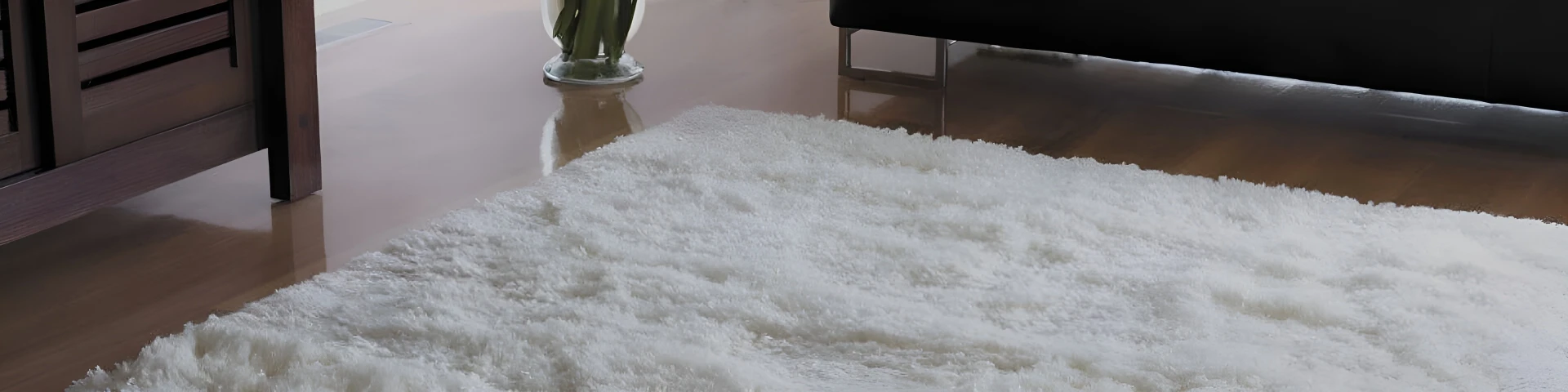
Super soft faux fur rugs represent a significant segment within the broader textile flooring market, positioned as a cost-effective and ethically sourced alternative to genuine animal fur. These rugs are constructed from synthetic fibers engineered to mimic the texture and appearance of natural fur, offering a luxurious feel without the associated animal welfare concerns. Technically, they fall under the classification of pile carpets, but differentiate themselves through the specific fiber composition and manufacturing processes geared towards maximizing softness and aesthetic appeal. Core performance characteristics center around tactile comfort, aesthetic versatility, and ease of maintenance, making them popular in residential and commercial applications where a soft, inviting surface is desired. The industry is currently responding to demands for increased sustainability through the utilization of recycled materials and eco-friendly production methods.
Material Science & Manufacturing
The core material of super soft faux fur rugs is typically a blend of synthetic fibers, predominantly polyester (polyethylene terephthalate) and acrylic. Polyester offers inherent durability, resilience, and ease of dyeing, while acrylic contributes significantly to the soft, wool-like texture. Fiber denier (thickness) plays a critical role; lower denier fibers (e.g., below 1.5 dpf) are crucial for achieving a truly soft hand-feel. Manufacturing begins with polymer extrusion, where raw materials are melted and forced through spinnerets to create the fibers. These fibers then undergo texturizing processes – often employing air jet texturing or false-twist methods – to increase bulk and crimp, enhancing softness and loft. The backing is usually comprised of a non-woven polypropylene (PP) fabric, selected for its cost-effectiveness and dimensional stability. The pile is created by tufting or weaving the fibers into the backing. Tufting, using needles to insert fibers, is more common due to its higher production speed. Key parameter control during manufacturing includes maintaining consistent fiber denier, optimizing texturizing parameters for desired crimp and bulk, precise pile height and density control during tufting, and uniform application of adhesive to secure the pile to the backing. Chemical treatments may be applied for stain resistance and anti-static properties. Ensuring consistent dye uptake is critical for colorfastness and aesthetic uniformity; this is managed through precise control of dye bath temperature, pH, and residence time. The final step often involves shearing the pile to achieve a uniform surface appearance and desired pile height.
Performance & Engineering
The performance of super soft faux fur rugs is dictated by several key engineering principles. Pile height and density directly correlate with perceived softness and thermal insulation. Higher pile heights (25-50mm) generally offer a more luxurious feel, but may be more prone to matting. Density (pile weight in g/m²) affects durability and resilience. Force analysis reveals that the perceived softness is related to the compression modulus of the pile fibers – lower moduli translate to a more yielding surface. Environmental resistance is a significant consideration. Polyester and acrylic exhibit good resistance to UV degradation compared to natural fibers, but prolonged exposure can still cause fading and fiber embrittlement. Moisture resistance is generally good, but absorption can occur, leading to mildew growth if not properly dried. The rug’s backing material impacts its slip resistance; polypropylene offers adequate friction on smooth floors, but additional anti-slip coatings (e.g., latex) are often applied to enhance safety. Compliance requirements include flammability standards (e.g., meeting California Proposition 65 for formaldehyde emissions) and VOC emission limits (Volatile Organic Compounds). Proper selection of adhesives and backing materials is essential to ensure compliance. Furthermore, dimensional stability must be maintained under varying temperature and humidity conditions to prevent shrinkage or distortion. Careful consideration of the fiber’s resilience is also important; fibers with a high resilience rate will better maintain their pile height and appearance over time.
Technical Specifications
| Parameter | Polyester Faux Fur | Acrylic Faux Fur | Polyester/Acrylic Blend (60/40) |
|---|---|---|---|
| Pile Height (mm) | 20-40 | 25-50 | 25-40 |
| Pile Weight (g/m²) | 600-1200 | 800-1500 | 700-1300 |
| Fiber Denier (dtex) | 1.5-3.0 | 1.0-2.5 | 1.2-2.8 |
| Backing Material | Polypropylene (PP) | Polypropylene (PP) | Polypropylene (PP) |
| Moisture Absorption (%) | 0.4-0.8 | 1.0-1.5 | 0.6-1.2 |
| UV Resistance (Grey Scale Rating) | 4-5 | 3-4 | 3.5-4.5 |
Failure Mode & Maintenance
Super soft faux fur rugs are susceptible to several failure modes. Matting is a common issue, resulting from fiber deformation under sustained compression, particularly in high-traffic areas. Fiber shedding can occur, especially with lower-quality rugs, due to inadequate fiber anchoring or abrasion. Pile crushing is a permanent deformation of the pile fibers, leading to a flattened appearance. Color fading results from prolonged UV exposure, particularly with dyed fibers. Delamination of the pile from the backing can occur if the adhesive bond weakens due to moisture or temperature fluctuations. Dust and debris accumulation is a pervasive issue that, while not a structural failure, can diminish aesthetics and contribute to matting. Maintenance protocols should include regular vacuuming (using a suction-only attachment to avoid fiber pull) to remove dust and debris. Spot cleaning with a mild detergent and water is recommended for spills; avoid harsh chemicals or abrasive cleaners. Professional cleaning (steam cleaning or dry cleaning) may be necessary for deep cleaning. To mitigate matting, rotate the rug periodically and use rug pads to distribute weight and provide cushioning. Addressing delamination often requires professional re-gluing, while faded colors are difficult to restore. Preventative measures, such as limiting direct sunlight exposure and using appropriate rug pads, can significantly extend the lifespan of the rug.
Industry FAQ
Q: What is the primary difference between polyester and acrylic faux fur in terms of durability and feel?
A: Acrylic generally offers a softer, more wool-like feel due to its inherent fiber structure. However, polyester tends to be more durable and resistant to abrasion and pilling. Polyester also exhibits better colorfastness. The blend (60/40 Polyester/Acrylic) aims to balance these characteristics, offering a good compromise between softness and resilience.
Q: How does pile height impact the performance and longevity of the rug?
A: Higher pile heights (above 30mm) provide a more luxurious feel but are more susceptible to matting and fiber crushing. Lower pile heights (20-25mm) offer better durability and are easier to maintain, although the perceived softness may be reduced. Proper underlayment is crucial for minimizing compression and extending lifespan regardless of pile height.
Q: What are the common causes of delamination in faux fur rugs, and how can it be prevented?
A: Delamination is primarily caused by adhesive failure due to prolonged exposure to moisture, temperature fluctuations, or mechanical stress. Prevention involves selecting high-quality adhesives during manufacturing, ensuring adequate drying after cleaning, and using a rug pad to provide a stable base and minimize stress on the adhesive bond.
Q: Are there any flammability standards that faux fur rugs must meet, and what tests are typically conducted?
A: Faux fur rugs must meet flammability standards dictated by regional regulations. In the US, California Proposition 65 is relevant for formaldehyde emissions. Common tests include the DOC FF 1-70 (pill test), the NFPA 701 (flame propagation and smoke development), and tests for smolder resistance. Manufacturers must provide documentation demonstrating compliance.
Q: What role does the rug backing play in overall rug performance and lifespan?
A: The backing provides dimensional stability and structural support. Polypropylene (PP) is a common choice due to its cost-effectiveness, but its slip resistance is limited. Applying a latex or rubberized coating enhances slip resistance. A high-quality backing resists tearing and prevents the pile from separating, directly impacting the rug’s lifespan.
Conclusion
Super soft faux fur rugs represent a compelling balance of aesthetic appeal, affordability, and ethical sourcing within the textile flooring market. Their performance characteristics, stemming from careful material selection (primarily polyester and acrylic blends) and controlled manufacturing processes, are continuously evolving to meet consumer demands for improved durability, softness, and environmental responsibility. Understanding the core engineering principles governing pile height, density, and fiber properties is critical for optimizing performance and addressing potential failure modes such as matting and delamination.
Looking forward, advancements in fiber technology, including the increased utilization of recycled materials and bio-based polymers, will further enhance the sustainability profile of these rugs. Continued research into adhesive formulations and backing materials will improve durability and prevent delamination, extending product lifespan and reducing environmental impact. Ultimately, the long-term success of super soft faux fur rugs hinges on a commitment to both aesthetic innovation and rigorous adherence to industry standards for safety, performance, and sustainability.