

white carpet living room Performance Analysis
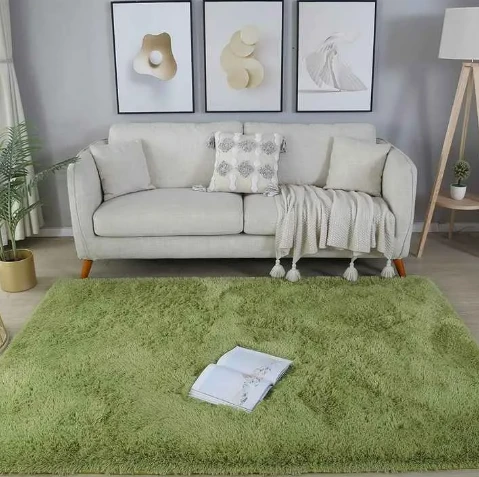
Introduction
White carpet in a living room setting represents a significant aesthetic and functional choice, demanding careful consideration of material science, manufacturing processes, and performance characteristics. Within the broader flooring industry, white carpet occupies a niche segment focused on high-end aesthetics and perceived cleanliness, but it presents unique challenges concerning soiling, stain resistance, and long-term durability. This guide provides an in-depth technical assessment of white carpet for living room applications, addressing material compositions, manufacturing methodologies, performance metrics, failure modes, and relevant industry standards. The core performance aspects – reflectance, abrasion resistance, colorfastness, and soil concealment – are critical determinants of its suitability and longevity. Procurement professionals and interior design engineers must understand these factors to ensure optimal product selection and lifecycle cost management. The industry pain point centers on balancing aesthetic appeal with practical durability, particularly given the high visibility of stains on white surfaces.
Material Science & Manufacturing
White carpet primarily utilizes synthetic fibers, with nylon (specifically Type 6 and Type 6,6), polypropylene (olefin), and polyester (PET) being the most prevalent. Nylon offers superior abrasion resistance, resilience, and stain resistance due to its high molecular weight and inherent polarity. Polypropylene is cost-effective and exhibits good stain resistance from acid-based spills but is less resilient and prone to oil-based stain absorption. Polyester provides excellent color clarity and UV resistance but has lower resilience and abrasion resistance compared to nylon. The whiteness is achieved through the addition of optical brighteners during fiber extrusion, which enhance light reflectance. Fiber denier (fineness) ranges from 200 to 800, influencing the carpet’s texture and feel. Manufacturing processes include fiber spinning (melt spinning for polypropylene and polyester, solution dyeing for nylon), yarn twisting (to enhance durability and pile definition), and tufting or weaving. Tufting, the dominant method, involves inserting yarn loops through a primary backing material, typically polypropylene. Secondary backing, often jute or synthetic materials, provides dimensional stability and structural integrity. Key parameter control focuses on fiber consistency (denier variation), yarn tension (affecting pile density), and backing adhesive application (ensuring secure fiber anchoring). Dyeing processes, when employed, utilize reactive dyes for nylon to ensure colorfastness, while solution dyeing (incorporating color during fiber extrusion) is common for polypropylene, providing inherent resistance to fading.
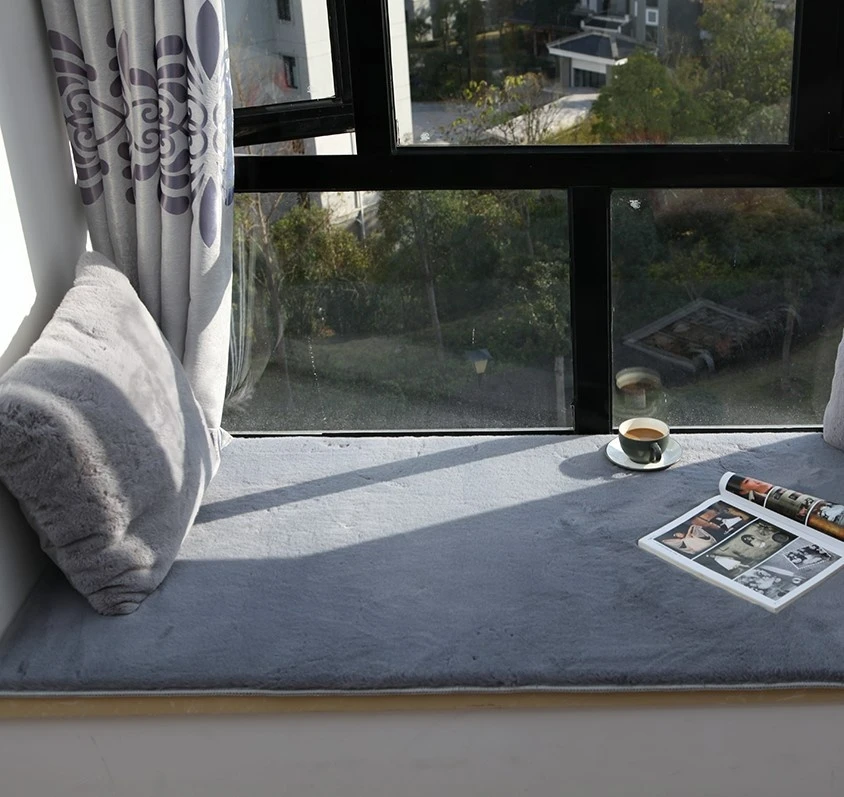
Performance & Engineering
Performance of white carpet is critically defined by several engineering parameters. Pile density, measured in ounces per square yard, impacts durability and comfort. Higher density equates to greater wear resistance. Foot traffic analysis, quantified in cycles to failure using the Taber Abraser, determines the carpet’s ability to withstand abrasion. Environmental resistance is assessed through tests for colorfastness to light (AATCC 16E), resistance to water extraction (AATCC 179), and resistance to crocking (AATCC 8). Force analysis focuses on pile recovery – the ability of the fibers to rebound after compression – directly related to fiber resilience. Compliance requirements include flammability standards (e.g., NFPA 253 for carpet flammability) and VOC emission limits (e.g., California Department of Public Health Section 01350). Functional implementation considers stain resistance treatments, such as fluorochemical finishes, which create a barrier against liquid penetration. The reflectance value (measured using a spectrophotometer) dictates the perceived brightness and can be engineered to minimize glare. The Achilles heel of white carpet is soil concealment – the ability to mask dirt and debris. Textured surfaces and multi-fiber constructions can improve this aspect, but regular cleaning is paramount. Proper underlayment selection is also crucial for impact absorption and noise reduction, enhancing the overall performance.
Technical Specifications
| Parameter | Nylon (Type 6,6) | Polypropylene (Olefin) | Polyester (PET) | Units |
|---|---|---|---|---|
| Fiber Denier | 500-800 | 300-600 | 400-700 | dtex |
| Pile Density | 80-120 | 60-90 | 70-100 | oz/yd² |
| Abrasion Resistance (Taber Abraser) | 8,000-15,000 | 3,000-6,000 | 5,000-8,000 | Cycles to Failure |
| Colorfastness to Light (AATCC 16E) | Rating 6-7 | Rating 5-6 | Rating 7-8 | Rating (1-5) |
| Water Absorption | 3.8% | 0.5% | 1.2% | Weight % |
| Resilience | 65-75% | 40-50% | 55-65% | Percentage |
Failure Mode & Maintenance
Failure modes in white carpet are predominantly related to soiling, staining, and wear. Fatigue cracking occurs due to repeated compression and stretching of the fibers, particularly in high-traffic areas. Delamination can occur between the primary and secondary backing if the adhesive fails. Degradation of the fibers due to UV exposure (particularly in brightly lit rooms) can cause fading and loss of strength. Oxidation of polypropylene fibers can lead to brittleness and discoloration. Staining is a major concern, with spills like coffee, wine, and ink readily visible on white surfaces. Maintenance is crucial. Regular vacuuming (at least twice weekly) to remove abrasive particles is essential. Spot cleaning should be performed immediately using appropriate cleaning agents designed for the specific fiber type. Professional hot water extraction (steam cleaning) should be conducted annually to deep clean the carpet and remove embedded dirt. The use of area rugs in high-traffic zones can protect the underlying carpet. Preventative stain treatments can enhance resistance to spills, but these require periodic reapplication. Avoiding direct sunlight exposure and using window coverings can mitigate UV degradation. Prompt attention to spills is the single most effective measure to prevent permanent staining. In cases of severe damage, localized repair (patching) or full replacement may be necessary.
Industry FAQ
Q: What is the best fiber type for a high-traffic white carpet in a living room?
A: Nylon (Type 6,6) is generally considered the best choice for high-traffic areas due to its superior abrasion resistance, resilience, and inherent stain resistance. While more expensive than polypropylene, its longevity and performance justify the investment in a demanding application like a living room with substantial foot traffic.
Q: How important is the carpet pile height and density in maintaining a clean appearance for white carpet?
A: Pile height and density are critically important. A higher pile density minimizes the penetration of dirt and debris, making vacuuming more effective. A moderate pile height (around 0.5-0.75 inches) provides a balance between comfort and ease of cleaning. Lower pile heights tend to show footprints and wear more readily.
Q: What stain-resistant treatments are most effective for white carpet, and how often should they be reapplied?
A: Fluorochemical treatments are the most effective at creating a barrier against liquid penetration. However, their effectiveness diminishes over time due to wear and cleaning. Reapplication is typically recommended every 12-18 months, depending on traffic and usage. Consider treatments specifically formulated for the carpet fiber type (nylon, polypropylene, or polyester).
Q: Can white carpet be effectively cleaned with standard carpet cleaning machines, or are specialized methods required?
A: While standard hot water extraction machines can be used, specialized cleaning solutions designed for white carpets are crucial. Avoid harsh chemicals or abrasive cleaners that can damage the fibers or cause discoloration. Pre-treating stains with a dedicated stain remover is highly recommended before steam cleaning. Professional cleaning is often preferred to ensure optimal results and prevent damage.
Q: What underlayment is recommended to maximize the lifespan and comfort of white carpet in a living room?
A: A high-quality, dense polyurethane foam underlayment is recommended. It provides excellent cushioning, supports the carpet pile, and helps to prevent crushing and wear. Look for underlayments with a moisture barrier to protect against spills and potential mold growth. Avoid rubber underlayments, as they can react with certain carpet backings and cause discoloration.
Conclusion
The successful implementation of white carpet in a living room hinges on a comprehensive understanding of material properties, manufacturing nuances, and rigorous maintenance protocols. While aesthetically desirable, white carpet presents unique challenges related to soiling and stain visibility. Selecting appropriate fiber types – primarily nylon due to its superior durability and resilience – is paramount. Coupled with adequate pile density and stain-resistant treatments, a white carpet can provide a luxurious and long-lasting flooring solution.
Future advancements in fiber technology, such as inherently stain-resistant polymers and self-cleaning coatings, hold promise for further enhancing the performance of white carpet. Focusing on proactive maintenance strategies, including regular vacuuming, immediate spill response, and periodic professional cleaning, will remain crucial for preserving the aesthetic appeal and extending the lifespan of this demanding flooring choice.