


white faux fur area rug Performance Analysis
Introduction
White faux fur area rugs represent a significant segment within the broader decorative textile industry, functioning as a cost-effective and ethically sourced alternative to genuine fur. These rugs are commonly positioned as interior design elements, offering a luxurious aesthetic and tactile experience without the ethical concerns associated with animal products. Their manufacture involves complex polymer engineering, fiber production, and textile finishing processes. Core performance characteristics center around pile density, fiber durability, colorfastness, and resistance to shedding. This technical guide will provide an in-depth analysis of the material science, manufacturing processes, performance parameters, potential failure modes, and industry standards pertinent to white faux fur area rugs, targeting procurement managers, quality control engineers, and textile specialists.
Material Science & Manufacturing
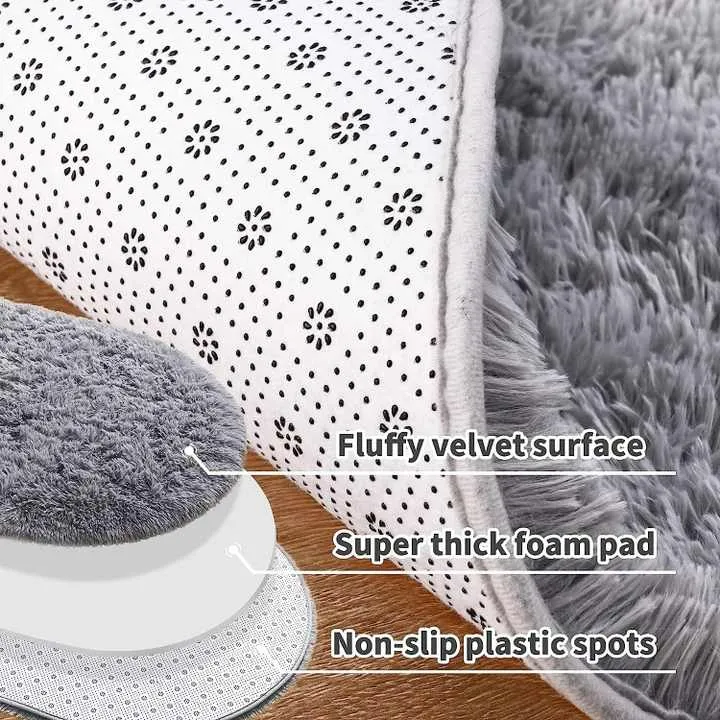
The dominant material used in white faux fur area rugs is typically 100% polyester, though acrylic fibers are also employed, particularly in lower-cost applications. Polyester, a thermoplastic polymer formed through the esterification of dicarboxylic acids and diols (most commonly ethylene glycol and terephthalic acid), is chosen for its inherent softness, resilience, and dyeability. The manufacturing process begins with the production of polyester staple fibers. These fibers are then processed using a cut-pile tufting technique. This involves inserting the fibers into a primary backing material – often polypropylene or jute – using hundreds of needles. Following tufting, a layer of adhesive latex is applied to secure the fibers. The rug then undergoes shearing to achieve a uniform pile height and density. Finally, a secondary backing, usually felt or rubber, is laminated to provide additional durability, cushioning, and slip resistance. Key parameter control during manufacturing includes fiber denier (affecting softness and density), pile height (influencing perceived luxury and comfort), and latex adhesion strength (determining fiber retention). Color matching is achieved through precise dye formulation and application techniques, requiring strict control of dye bath temperature, pH, and immersion time to ensure consistent whiteness and prevent discoloration. Variations in the manufacturing process impact the rug’s overall durability, shedding rate, and resistance to compression set.
Performance & Engineering
The performance of a white faux fur area rug is dictated by several engineering considerations. Pile compression resistance is critical, particularly in high-traffic areas. This resistance is influenced by fiber denier, pile density, and the backing material. Force analysis indicates that the pile undergoes significant deformation under load, and the ability of the fibers to recover their original shape (resilience) is a key determinant of the rug’s longevity. Environmental resistance is another crucial factor. While polyester exhibits good inherent resistance to water absorption, prolonged exposure to moisture can lead to mildew growth within the backing material. UV resistance is also important, as prolonged sunlight exposure can cause fading and degradation of the fibers. Compliance requirements vary by region, but generally involve flammability testing (e.g., California Proposition 65 for formaldehyde emissions, and various standards related to burning rate and smoke density). Functional implementation considers not only aesthetic appeal but also the rug’s suitability for different environments. For example, rugs intended for use in bathrooms require enhanced moisture resistance and antimicrobial treatments. The weight per unit area (pile weight) is directly proportional to the rug’s perceived quality and durability. Testing for shedding, typically measured by the number of fibers released under standardized abrasion, is crucial for assessing product quality and predicting consumer satisfaction.
Technical Specifications
| Parameter | Unit | Typical Value | Testing Standard |
|---|---|---|---|
| Pile Height | mm | 38-50 | ASTM D5930 |
| Pile Weight | g/m² | 800-1500 | ISO 8543 |
| Fiber Denier | dtex | 2-6 | ASTM D2257 |
| Tensile Strength (Pile) | N | >4.5 | ISO 5079 |
| Colorfastness to Light | Grade | 4-5 | ISO 105-B02 |
| Shedding (After Abrasion) | g | <0.5 | ASTM D538 |
Failure Mode & Maintenance
White faux fur area rugs are susceptible to several failure modes. Fiber fatigue cracking, caused by repeated compression and abrasion, leads to pile breakdown and a reduction in overall thickness. Delamination of the backing layers, particularly the separation of the primary and secondary backing, results in structural instability and potential unraveling of the pile. Oxidation and UV degradation cause discoloration and embrittlement of the polyester fibers, diminishing their aesthetic appeal and mechanical properties. Matting and crushing of the pile, particularly in high-traffic areas, is a common occurrence, reducing the rug’s luxurious feel. Mildew growth within the backing, facilitated by moisture accumulation, causes unpleasant odors and potential structural damage. Maintenance recommendations include regular vacuuming to remove loose debris and prevent fiber matting. Spot cleaning with a mild detergent solution is advised for stain removal, avoiding harsh chemicals that can damage the fibers. Professional cleaning is recommended annually to deep clean the rug and restore its pile. Avoiding direct sunlight exposure can mitigate UV degradation. Addressing spills promptly prevents permanent staining and minimizes the risk of mildew growth. The use of rug pads can provide additional cushioning, prevent slippage, and protect the underlying floor surface.
Industry FAQ
Q: What is the primary difference between polyester and acrylic faux fur, and how does this impact durability?
A: Polyester generally exhibits superior abrasion resistance and resilience compared to acrylic. Acrylic fibers are softer initially but tend to pill and degrade more quickly under repeated use. Polyester’s higher tensile strength translates to better long-term durability, especially in high-traffic areas. While acrylic may be less expensive upfront, polyester often offers a lower total cost of ownership due to its extended lifespan.
Q: How can we verify the colorfastness of the white faux fur to ensure it doesn’t yellow over time?
A: We utilize ISO 105-B02 testing, exposing the rug to standardized light sources for a specified duration and then assessing the color change against a gray scale. Higher ratings (4-5) indicate excellent colorfastness. We also conduct accelerated aging tests to simulate long-term UV exposure and predict potential yellowing.
Q: What is the role of the latex adhesive in the rug’s construction, and what are the potential failure points related to it?
A: The latex adhesive securely bonds the faux fur fibers to the primary backing, providing structural integrity. Potential failure points include adhesive degradation over time, leading to fiber loss and delamination. Temperature fluctuations and humidity can accelerate adhesive breakdown. We specify a high-quality styrene-butadiene rubber (SBR) latex and conduct adhesion strength tests to ensure long-term performance.
Q: Are there any concerns regarding the flammability of these rugs, and what certifications do you provide?
A: Polyester is inherently flammable. Therefore, we employ flame retardant treatments to meet relevant safety standards. We provide certifications demonstrating compliance with flammability regulations, such as California Proposition 65 (formaldehyde emissions) and various standards for burning rate and smoke density (ASTM E84). The specific certifications provided depend on the intended market.
Q: What are the environmental considerations related to the production and disposal of faux fur rugs?
A: Polyester is a petroleum-based product, and its production involves energy consumption and greenhouse gas emissions. We are actively exploring the use of recycled polyester fibers to reduce our environmental footprint. Disposal of faux fur rugs can be challenging, as polyester is not readily biodegradable. Promoting responsible recycling initiatives and exploring alternative biodegradable backing materials are ongoing priorities.
Conclusion
White faux fur area rugs represent a complex intersection of material science, textile engineering, and manufacturing process control. The inherent properties of polyester, combined with precise tufting, shearing, and backing techniques, dictate the rug’s performance characteristics, including durability, resilience, and aesthetic appeal. Understanding the potential failure modes – fiber fatigue, delamination, and UV degradation – is crucial for ensuring product longevity and consumer satisfaction.
Ongoing research and development efforts are focused on enhancing the sustainability of faux fur rugs through the adoption of recycled materials, biodegradable backing options, and improved manufacturing processes. Adherence to international standards (ASTM, ISO) is paramount for ensuring product quality, safety, and compliance. The continued success of this product category hinges on a commitment to innovation, quality control, and environmental responsibility.