

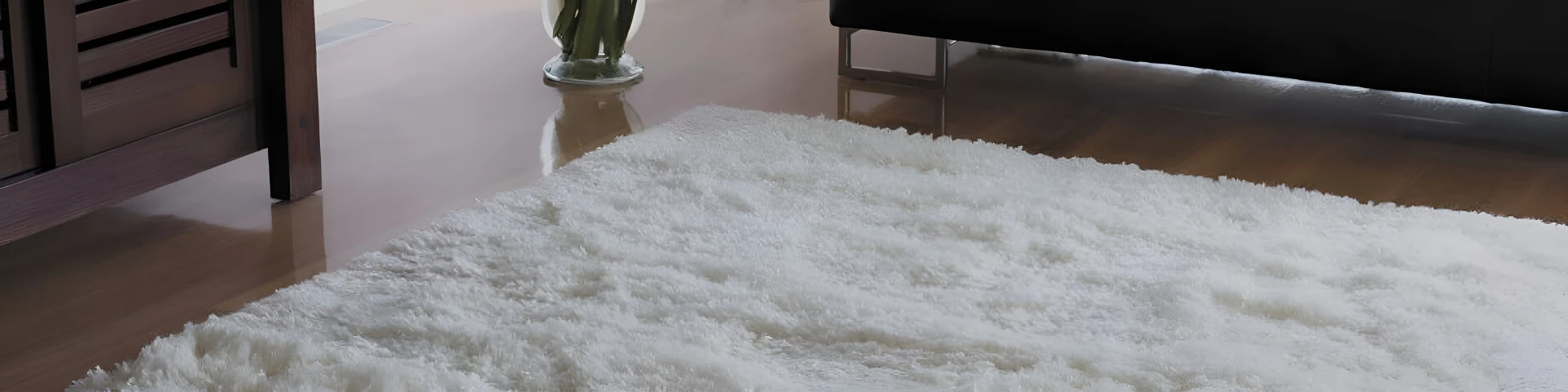
white faux fur rug 8x10 Performance Analysis
Introduction
The 8x10 white faux fur rug represents a significant segment within the broader decorative textile market, specifically targeting residential and light commercial applications. It functions as a floor covering primarily intended to provide tactile comfort, aesthetic enhancement, and thermal insulation. Unlike natural fur, which is sourced from animals, faux fur rugs are manufactured utilizing synthetic fibers, predominantly acrylic and polyester. This distinction impacts performance characteristics such as durability, cleanability, and cost. Within the supply chain, the product originates with the polymerization of raw materials (propylene for acrylic, ethylene for polyester), proceeds through fiber extrusion, non-woven or woven fabric construction, dyeing/finishing processes, and culminates in final rug fabrication, including backing application and size standardization. Key performance indicators include pile height, density, fiber content, backing material, and resistance to shedding and compression set. The primary industry pain points relate to achieving a realistic appearance mimicking natural fur, maintaining long-term pile integrity, and addressing concerns about flammability and off-gassing of volatile organic compounds (VOCs).
Material Science & Manufacturing
The core materials utilized in the production of an 8x10 white faux fur rug are acrylic, polyester, and polypropylene. Acrylic fibers (typically modacrylic) offer a softer hand feel and a closer resemblance to natural fur due to their crimped structure. Polyester, while generally less expensive, exhibits superior abrasion resistance and colorfastness. Polypropylene is often used for backing materials due to its low cost and moisture resistance. The manufacturing process begins with the extrusion of these polymers into fine filaments. For creating the fur-like texture, these filaments undergo a texturing process, often involving air jet texturing or crimping, to introduce bulk and curl. The textured fibers are then either woven or non-woven into a fabric base. Non-woven techniques, such as needle punching or thermal bonding, are more common for faux fur due to their lower cost and faster production speeds. A crucial step is dyeing, employing reactive dyes to ensure color penetration and wash fastness. Finishing treatments may include brushing to enhance pile loft, anti-static treatments to reduce static cling, and flame retardant applications. Backing materials, typically jute, felt, or a latex/polypropylene blend, are laminated onto the fabric base to provide stability and prevent unraveling. Parameter control is critical throughout, particularly in fiber denier (fineness), yarn twist, dyeing temperature and time, and backing adhesive application rate. Variations in these parameters directly impact the rug’s appearance, texture, and durability.

Performance & Engineering
The performance of an 8x10 white faux fur rug is governed by several engineering principles. Load distribution and compression set are crucial factors influencing the rug’s longevity. Pile height and density directly correlate to the level of comfort and the rug’s ability to recover from compression. Force analysis reveals that the weight of furniture or foot traffic exerts compressive stress on the pile fibers, leading to potential matting and a reduction in pile height over time. Environmental resistance is primarily concerned with moisture and temperature fluctuations. While synthetic fibers are generally resistant to mildew and rot, prolonged exposure to high humidity can promote bacterial growth within the backing material. Temperature extremes can cause expansion and contraction of the fibers, potentially leading to dimensional instability. Flammability is a significant concern, necessitating the application of flame retardant treatments to meet safety standards. Compliance requirements vary by region but generally include testing for flame propagation, smoke density, and toxic fume emissions. The backing material’s tensile strength and tear resistance are critical for preventing delamination and ensuring structural integrity. Shear forces exerted during use and cleaning can induce stress on the bond between the fabric and the backing. Ensuring adequate bonding strength is therefore paramount. The rug’s ability to resist staining and maintain its white coloration is dependent on the fiber’s inherent resistance to dye uptake and the effectiveness of any stain-resistant finishes applied.
Technical Specifications
| Parameter | Unit | Typical Value (Range) | Test Method |
|---|---|---|---|
| Pile Height | mm | 50-60 | ASTM D3884 |
| Pile Density | oz/yd² | 800-1200 | ASTM D3884 (Visual Comparison) |
| Fiber Content | % | Acrylic: 80-90, Polyester: 10-20 | FTIR Spectroscopy |
| Backing Material | - | Jute/Latex or Polypropylene | Visual Inspection |
| Flammability (Flame Spread) | mm/min | <200 (with FR treatment) | ASTM E84 |
| Colorfastness to Light | Gray Scale Rating | 4-5 | ISO 105-B02 |
Failure Mode & Maintenance
Common failure modes for an 8x10 white faux fur rug include pile shedding, matting, fiber breakage, delamination of the backing, and staining. Pile shedding occurs due to loose fibers becoming dislodged through abrasion and foot traffic. Matting results from the compression of the pile fibers, reducing their loft and creating a flattened appearance. Fiber breakage can occur due to excessive stress or UV exposure, particularly in acrylic fibers which are susceptible to degradation. Delamination arises from a weakening of the adhesive bond between the fabric and the backing, often exacerbated by moisture and temperature fluctuations. Staining poses a particular challenge for white rugs, requiring prompt attention to prevent permanent discoloration. Oxidation of acrylic fibers can also lead to yellowing over time. Preventative maintenance includes regular vacuuming (using a suction-only attachment to avoid pulling fibers), spot cleaning with mild detergent and water, and avoiding direct sunlight exposure. Professional cleaning is recommended every 12-18 months. To address delamination, re-gluing the backing with a suitable adhesive may provide a temporary solution, but complete replacement is often necessary for severely damaged rugs. Fiber breakage is generally irreversible, requiring eventual rug replacement. Protecting the rug with rug pads can minimize compression and abrasion, extending its lifespan. Regularly rotating the rug helps distribute wear evenly.
Industry FAQ
Q: What is the primary difference in performance between acrylic and polyester faux fur?
A: Acrylic generally offers a softer, more luxurious feel more closely resembling natural fur due to its inherent crimp. However, polyester demonstrates superior abrasion resistance and colorfastness, making it more durable and less prone to fading. Acrylic is also more susceptible to pilling and shedding than polyester.
Q: How important is the backing material in determining the rug's overall lifespan?
A: The backing material is critical. A high-quality backing (e.g., jute with a robust latex coating) provides structural stability and prevents delamination. Inferior backing materials can lead to premature failure, even if the pile fibers remain intact.
Q: What flame retardant treatments are commonly used, and are they environmentally safe?
A: Common flame retardants include topical applications of phosphate-based compounds or inherent flame retardancy achieved through modifying the fiber chemistry. The safety of these treatments is a complex issue; some older formulations contained potentially harmful substances. Modern treatments are increasingly focusing on halogen-free alternatives with lower VOC emissions.
Q: What is the expected lifespan of a typical 8x10 white faux fur rug with moderate foot traffic?
A: With proper care and maintenance, a well-constructed 8x10 white faux fur rug can be expected to last 3-5 years with moderate foot traffic. Heavy use or improper cleaning can significantly reduce this lifespan.
Q: How can I minimize shedding and maintain the pile’s loft?
A: Regular vacuuming with a suction-only attachment is crucial. Avoid aggressive brushing or scrubbing. Using a rug pad underneath provides cushioning and reduces compression, minimizing fiber stress and shedding. Promptly addressing spills prevents staining and fiber damage.
Conclusion
The 8x10 white faux fur rug, while providing an aesthetically pleasing and comfortable surface covering, is a complex product governed by material science principles, manufacturing precision, and engineering considerations. Its performance is dictated by the interplay of fiber type, construction method, backing material, and adherence to relevant safety standards. Understanding these factors is crucial for procurement professionals seeking to balance cost, durability, and aesthetic appeal.
Future developments in faux fur rug technology will likely focus on enhancing fiber performance (e.g., increased abrasion resistance, improved stain resistance, and biodegradable synthetic materials), refining manufacturing processes to reduce environmental impact, and developing more effective and environmentally benign flame retardant treatments. Continued innovation in backing materials will also be key to improving structural integrity and longevity.