

white faux rabbit fur rug Performance Analysis
Introduction
White faux rabbit fur rugs represent a significant segment within the broader synthetic textile flooring market. Positioned as an alternative to natural rabbit fur, these rugs offer a comparable aesthetic without the ethical concerns or high cost associated with animal products. They are commonly employed in residential and light commercial settings – bedrooms, living rooms, children’s play areas – where a soft, luxurious texture is desired. The core performance characteristics revolve around pile density, fiber composition (typically modacrylic or acrylic), and the backing material which dictates durability and slip resistance. The industry is currently driven by increasing consumer demand for vegan and cruelty-free products, coupled with advancements in fiber technology that mimic the softness and appearance of genuine fur. Key challenges center around maintaining consistent quality, addressing potential shedding, and ensuring resistance to matting and crushing under sustained use.
Material Science & Manufacturing
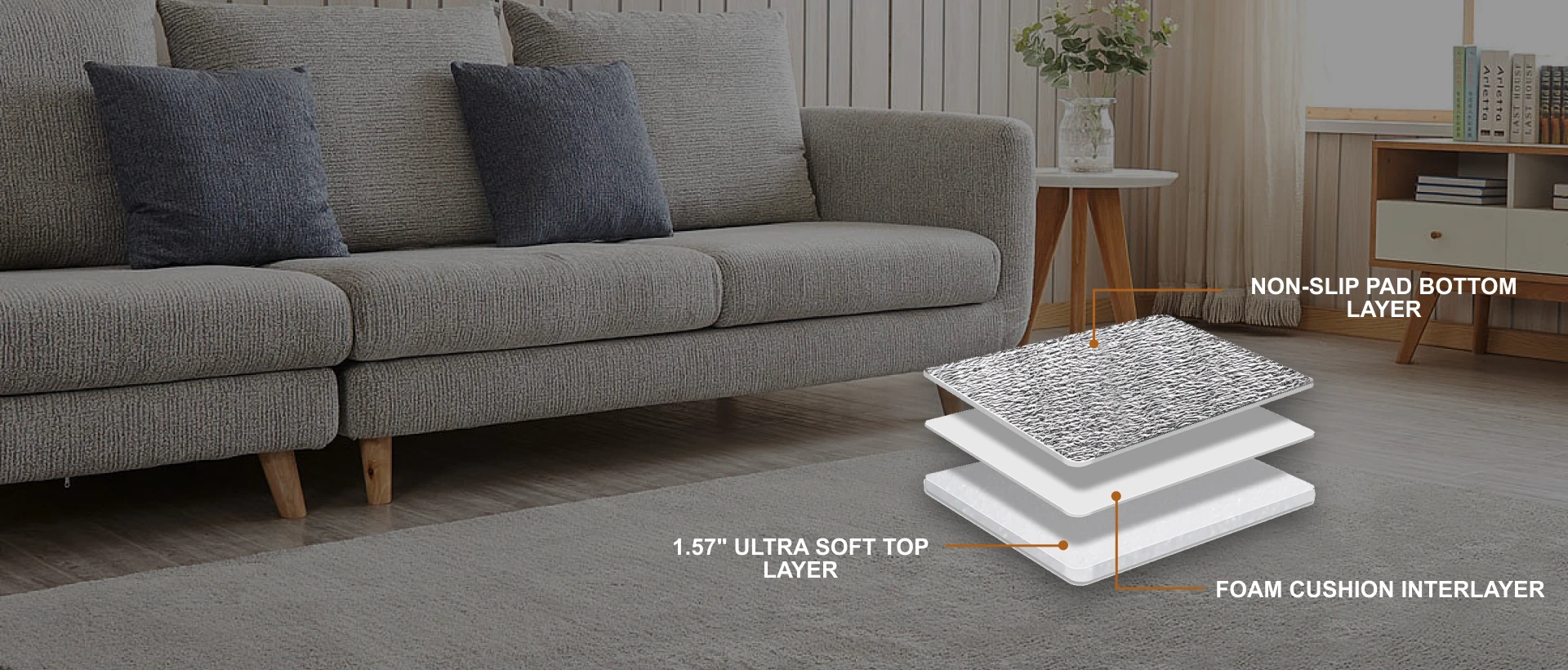
The foundation of white faux rabbit fur rugs lies in synthetic fiber production, primarily utilizing modacrylic or acrylic polymers. Modacrylic fibers are favored for their inherent flame retardancy and superior dyeability, resulting in brighter, more consistent white tones. Acrylic, while less expensive, often requires additional treatments to achieve comparable flame resistance. The raw materials – acrylonitrile, methyl methacrylate (for modacrylic), or acrylonitrile (for acrylic) – undergo polymerization processes to create the fibers. Manufacturing typically involves the following stages: fiber extrusion, cutting, and tufting/weaving. Extrusion defines fiber dimensions (denier, length) which impact softness and pile height. Precise control of polymer viscosity and extrusion temperature is critical to prevent defects like fiber breakage or inconsistent diameter. Cutting ensures uniform fiber length, impacting the rug’s texture and shedding potential. Tufting involves inserting the fibers into a primary backing material (often polypropylene or jute) using needles. A secondary backing – typically a latex or rubber compound – is then applied to enhance durability, prevent shedding, and provide slip resistance. Pile height, density (weight per unit area – typically measured in grams per square meter or ounces per square yard), and fiber crimp significantly impact the rug’s aesthetic and performance. Maintaining consistent dye uptake during fiber production is paramount to achieving a uniform white coloration and preventing inconsistencies in the finished product. Quality control focuses on fiber tensile strength, pilling resistance, and colorfastness to ensure longevity and aesthetic appeal.
Performance & Engineering
The performance of a white faux rabbit fur rug is dictated by its ability to withstand compressive forces (foot traffic), maintain its aesthetic qualities under simulated use, and resist environmental degradation. Force analysis reveals that the pile fibers bear the primary load, with the backing providing structural support. High pile density and robust fiber construction are crucial for minimizing matting and crushing. Environmental resistance is a critical consideration. Prolonged exposure to direct sunlight can cause UV degradation, leading to discoloration and fiber brittleness. Therefore, UV stabilizers are often incorporated into the polymer formulation. Moisture absorption can promote mold and mildew growth, particularly in humid environments. Hydrophobic fiber treatments and breathable backing materials can mitigate this risk. Slip resistance, quantified by the coefficient of friction (COF), is paramount for safety, especially on smooth flooring surfaces. The backing material and application of anti-slip coatings directly influence COF. Compliance requirements vary by region, focusing on flammability (meeting standards like California Proposition 65 or equivalent), VOC emissions (ensuring low levels of volatile organic compounds), and formaldehyde content. Functional implementation is often focused on ease of cleaning, with many rugs being machine washable or spot-cleanable. Fiber crimp contributes to the ‘bounce’ and recovery of the pile, resisting permanent deformation under pressure.
Technical Specifications
| Parameter | Unit | Typical Value (Range) | Test Method |
|---|---|---|---|
| Pile Height | mm | 30-60 | ASTM D3886 |
| Pile Weight | g/m² | 800-1500 | ASTM D6891 |
| Fiber Composition | % | Modacrylic: 60-80, Acrylic: 20-40 | FTIR Spectroscopy |
| Tensile Strength (Fiber) | cN/tex | 50-80 | ASTM D2256 |
| Colorfastness to Light | Grade (1-5) | 4-5 | ISO 105-B02 |
| Slip Resistance (COF) | – | >0.4 | ASTM D2047 |
Failure Mode & Maintenance
White faux rabbit fur rugs are susceptible to several failure modes. Shedding, particularly during initial use, is common due to loose fibers. This can be minimized through tighter tufting density and proper fiber locking mechanisms. Matting and crushing occur under sustained compression, reducing pile height and aesthetic appeal. Regular fluffing and vacuuming can help restore pile loft. UV degradation leads to discoloration and fiber embrittlement, particularly with prolonged sun exposure. Fiber fatigue cracking can occur with repeated bending and flexing, leading to fiber breakage and reduced pile density. Staining is a concern, especially with dark liquids. Prompt cleaning with appropriate detergents is crucial. Delamination of the backing can occur due to adhesive failure, leading to fiber loss and structural instability. Oxidation of the fibers can lead to yellowing over time, particularly in the presence of pollutants. Preventative maintenance includes regular vacuuming (avoiding beater bars that can damage fibers), spot cleaning with mild detergents, and rotating the rug to distribute wear evenly. Professional cleaning is recommended every 12-18 months. Storage should be in a cool, dry, and dark environment to prevent degradation.
Industry FAQ
Q: What is the primary difference between modacrylic and acrylic fibers in faux fur rugs, and how does that impact cost and performance?
A: Modacrylic fibers offer superior flame retardancy, dyeability, and resistance to pilling compared to acrylic. This translates to a higher quality, more durable rug with better color retention. However, modacrylic is more expensive to produce than acrylic, resulting in a higher price point for rugs utilizing this fiber. Acrylic is a more economical option, but may require additional treatments to meet flammability standards and may be more prone to shedding and fading.
Q: How can I determine the slip resistance of a faux fur rug before purchasing?
A: Look for rugs that specifically state they meet safety standards for slip resistance, often referencing ASTM D2047. A coefficient of friction (COF) of 0.4 or higher is generally considered acceptable. You can also inquire about the backing material – latex or rubber backings offer better grip than woven polypropylene. Consider purchasing a rug pad for added stability, particularly on smooth flooring surfaces.
Q: What is the best way to clean a white faux fur rug to prevent yellowing and maintain its brightness?
A: Spot clean immediately with a mild detergent and cool water. Avoid harsh chemicals or bleach. For deeper cleaning, machine wash on a gentle cycle with cold water and a delicate detergent, but only if the rug’s care label permits. Air dry thoroughly, avoiding direct sunlight or heat. Regular vacuuming with a suction-only nozzle helps remove dust and dirt before they become embedded in the fibers.
Q: What should I look for in terms of backing material to ensure the rug’s longevity and prevent shedding?
A: A high-quality backing material is crucial. Latex or rubber backings offer superior durability and shed resistance compared to woven polypropylene. Look for backings that are securely bonded to the pile fibers, and avoid rugs with loose or flaking backing. A thicker backing generally indicates better quality and resilience.
Q: How does UV exposure affect the lifespan of a faux fur rug, and what preventative measures can be taken?
A: UV exposure can cause the fibers to degrade, leading to discoloration (yellowing) and brittleness. To mitigate this, avoid placing the rug in direct sunlight for extended periods. Use curtains or blinds to filter sunlight, and consider rotating the rug periodically to distribute UV exposure evenly. Some manufacturers incorporate UV stabilizers into the fiber formulation to improve resistance to fading.
Conclusion
White faux rabbit fur rugs offer a compelling blend of aesthetics and practicality, providing a luxurious texture and appearance at a comparatively accessible price point. Their performance, however, is intrinsically linked to the quality of materials – the type of synthetic fiber (modacrylic versus acrylic), the density of the pile, and the robustness of the backing – and the manufacturing processes employed. Understanding the potential failure modes, primarily stemming from UV degradation, fiber fatigue, and staining, is crucial for informed procurement and proactive maintenance.
Looking ahead, advancements in fiber technology will likely focus on enhancing durability, increasing stain resistance, and improving the environmental sustainability of these rugs. Greater emphasis on eco-friendly materials and manufacturing processes will be driven by evolving consumer preferences and stricter regulatory requirements. Furthermore, the integration of anti-microbial treatments and improved backing technologies will contribute to enhanced performance and longevity, solidifying the position of white faux rabbit fur rugs within the interior textiles market.