


white fluffy round rug Performance Analysis
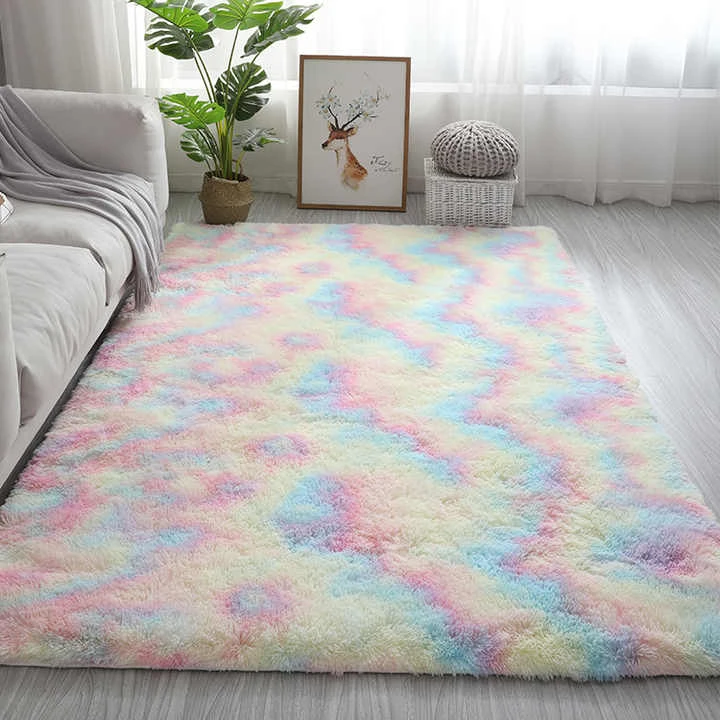
Introduction
White fluffy round rugs represent a significant segment within the broader floor covering industry, categorized as decorative textile products. Their technical position lies between functional floor protection and aesthetic interior design elements. Composed primarily of synthetic fibers and backing materials, these rugs are engineered to provide a soft tactile experience, sound dampening, and visual appeal. Core performance characteristics include pile density, fiber durability, colorfastness, and dimensional stability. However, their performance is significantly impacted by material selection, manufacturing processes, and end-use conditions, leading to common industry pain points centered around shedding, matting, stain resistance, and cleaning challenges. The increasing demand for sustainable materials and manufacturing processes also presents a key challenge for manufacturers.
Material Science & Manufacturing
The predominant raw material utilized in white fluffy round rugs is polypropylene (PP), specifically in its spunbond or heat-set twisted yarn forms. Polypropylene offers cost-effectiveness, inherent stain resistance, and a suitable texture for mimicking more expensive fibers. Polyester is also frequently blended with polypropylene to enhance softness and bulk. The backing material typically consists of jute, felt, or a combination of both, often coated with a latex or synthetic rubber compound for improved grip and durability. Pile height ranges significantly, typically from 20mm to 50mm, influencing the rug’s perceived softness and density.
Manufacturing commences with fiber extrusion and yarn production. Polypropylene pellets are melted and extruded through spinnerets to create continuous filaments, which are then drawn and textured to enhance their bulk and crimp. These yarns are subsequently heat-set to maintain their shape and reduce shrinkage. Rug production employs tufting technology, where yarns are inserted into a primary backing material using needles. The rug then undergoes a coating process with latex or synthetic rubber, providing structural integrity and preventing yarn pull-out. Finally, a secondary backing material is applied for added durability and aesthetics. Key parameter control during manufacturing includes yarn denier (fineness), stitch density, coating weight, and dimensional accuracy. Variations in these parameters directly impact the rug’s performance characteristics and lifespan. Quality control checks involve visual inspection for defects, pile height measurement, and testing for colorfastness and shedding.

Performance & Engineering
The performance of a white fluffy round rug is dictated by a complex interplay of material properties and structural design. Force analysis reveals that the rug's ability to withstand foot traffic and maintain its shape is governed by the tensile strength and elongation at break of the polypropylene fibers, as well as the adhesion between the yarn, primary backing, and latex coating. Environmental resistance is primarily focused on UV stability and moisture resistance. Prolonged exposure to ultraviolet radiation can cause the polypropylene fibers to degrade, leading to discoloration and brittleness. Moisture ingress can promote mold and mildew growth, particularly in jute-backed rugs.
Compliance requirements vary depending on the intended market. In the United States, rugs must comply with flammability standards (e.g., California Proposition 65) and labeling regulations regarding fiber content. European regulations (REACH) restrict the use of certain chemicals in rug manufacturing. Dimensional stability is critical to prevent warping or shrinking, achieved through precise heat-setting and backing application. The rug’s functionality is also impacted by its pile density, which influences its softness, comfort, and sound absorption capabilities. Higher pile densities generally equate to greater comfort but also increased susceptibility to matting.
Technical Specifications
| Parameter | Unit | Typical Value (Low-End) | Typical Value (High-End) |
|---|---|---|---|
| Pile Height | mm | 20 | 50 |
| Pile Density | g/m² | 800 | 1500 |
| Fiber Material | - | 100% Polypropylene | Polypropylene/Polyester Blend (80/20) |
| Backing Material | - | Jute | Felt/Latex Composite |
| Total Weight | kg/m² | 1.0 | 2.5 |
| Colorfastness to Light | Grade (1-5) | 3 | 5 |
Failure Mode & Maintenance
White fluffy round rugs are susceptible to several failure modes. Shedding, the loss of fibers from the pile, is a common occurrence, particularly during the initial use period. This is attributed to loose fibers and insufficient yarn lock-in during manufacturing. Matting, the compression and flattening of the pile, results from prolonged foot traffic and insufficient fiber resilience. Delamination, the separation of the backing materials, arises from inadequate adhesive bonding and moisture exposure. Oxidation of the polypropylene fibers due to UV exposure can lead to discoloration and embrittlement. Staining represents a significant issue, requiring prompt attention to prevent permanent discoloration.
Professional maintenance involves regular vacuuming to remove loose dirt and debris. Spot cleaning with mild detergent and water is recommended for spills. Deep cleaning can be performed using a carpet cleaning machine, ensuring the rug is thoroughly dried to prevent mold growth. For severe staining or delamination, professional rug cleaning services are advised. Preventative measures include rotating the rug periodically to distribute wear, using rug pads to provide cushioning and prevent slippage, and avoiding direct sunlight exposure. Addressing spills immediately and employing appropriate cleaning agents can significantly extend the rug’s lifespan.
Industry FAQ
Q: What is the primary cause of excessive shedding in a new white fluffy rug?
A: Excessive shedding in a new rug is typically caused by loose fibers remaining from the manufacturing process, particularly from cut-pile constructions. Insufficient yarn lock-in during tufting can also contribute. Regular vacuuming for the first few weeks will remove these loose fibers and significantly reduce shedding.
Q: How does the backing material impact the rug's overall durability and lifespan?
A: The backing material provides structural integrity and prevents yarn pull-out. Jute backing, while cost-effective, is susceptible to moisture damage and degradation. Felt or latex-backed rugs offer superior durability and resistance to moisture, contributing to a longer lifespan.
Q: What is the recommended cleaning protocol for removing red wine stains from a polypropylene rug?
A: Immediately blot the stain with a clean, white cloth to absorb as much liquid as possible. Avoid rubbing, as this can spread the stain. Mix a solution of mild detergent and cool water, and gently apply it to the stain. Blot again with a clean cloth, and rinse with clean water. Dry thoroughly with a fan or towel.
Q: How can I prevent matting in high-traffic areas of the rug?
A: Using a rug pad provides cushioning and helps maintain the pile’s resilience. Rotating the rug periodically to distribute wear evenly is also effective. Avoiding heavy furniture placement directly on the rug can help prevent permanent compression.
Q: What flammability standards are typically applicable to white fluffy round rugs sold in the US market?
A: Rugs sold in the US must comply with the Federal Flammable Fabrics Act (FFAFA). California Proposition 65 also imposes restrictions on certain chemicals used in rug manufacturing and requires warning labels if applicable.
Conclusion
White fluffy round rugs, while offering aesthetic and comfort benefits, present a range of technical considerations related to material science, manufacturing processes, and performance characteristics. The selection of appropriate materials—primarily polypropylene and backing compounds—along with meticulous control of manufacturing parameters such as pile density and coating weight, is crucial to ensure durability, stain resistance, and dimensional stability. Understanding potential failure modes, including shedding, matting, and delamination, is essential for implementing effective maintenance protocols and maximizing the rug’s lifespan.
The industry faces ongoing challenges related to sustainability and regulatory compliance. The development of eco-friendly materials and manufacturing processes, coupled with adherence to stringent flammability and chemical restriction standards, will be paramount to meeting evolving consumer demands and ensuring responsible product stewardship. Future innovations may focus on enhancing fiber resilience, improving stain resistance through advanced coatings, and optimizing rug construction for improved performance and longevity.