


yellow faux fur rug Performance Analysis
Introduction
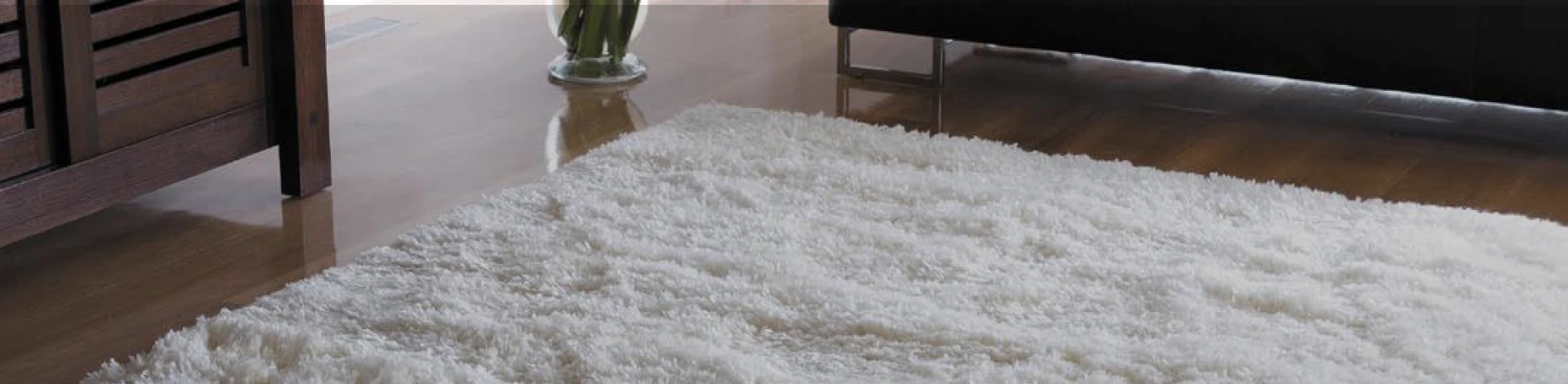
Yellow faux fur rugs are synthetic floor coverings designed to mimic the appearance and texture of animal fur, specifically utilizing a vibrant yellow coloration. Positioned within the interior textiles market, these rugs serve a primarily decorative function, contributing to aesthetic appeal and providing a soft underfoot experience. Their technical significance lies in the balance between replicating natural tactile qualities while addressing ethical concerns surrounding genuine animal products, alongside offering improved durability and ease of maintenance. Core performance characteristics include pile height, fiber density, weight, and resistance to shedding, staining, and fading. The industry faces increasing demand for sustainable materials and manufacturing processes, driving innovation in fiber composition and production techniques. This guide provides a detailed technical overview of yellow faux fur rugs, covering material science, manufacturing, performance, failure modes, and relevant industry standards.
Material Science & Manufacturing
The primary material used in yellow faux fur rugs is typically a synthetic polymer, most commonly polypropylene (PP) or polyester (PET). Polypropylene is favored for its cost-effectiveness, inherent stain resistance, and good resilience. Polyester offers enhanced softness and better color retention. The fibers are extruded through spinnerets to create continuous filaments. These filaments are then crimped to introduce bulk and texture, mimicking the natural curl of animal fur. Dyeing occurs either during the extrusion process (solution dyeing) for enhanced colorfastness, or post-extrusion via immersion dyeing. The yellow pigmentation relies on azo dyes or pigment dispersions to achieve the desired hue and intensity. Manufacturing involves tufting or weaving. Tufting involves inserting the fibers into a primary backing material (typically polypropylene or jute) using needles, followed by application of a latex adhesive to secure the fibers. Weaving, while less common for faux fur due to the desired pile depth, involves interlacing warp and weft yarns to create a more structured fabric. Pile height is a critical parameter, ranging from 20mm to 80mm, directly influencing the rug’s softness and appearance. Density, measured in ounces per square yard, dictates the rug's overall weight and durability. Parameter control during extrusion – temperature, flow rate, and dye concentration – is paramount for consistent fiber quality and color matching. Latex adhesion strength must be optimized to prevent shedding. Backing material selection impacts overall stability and dimensional integrity.
Performance & Engineering
The performance of a yellow faux fur rug is heavily influenced by its physical properties and resistance to environmental factors. Force analysis reveals that the rug's resilience (ability to recover from compression) is crucial for maintaining pile height and preventing matting. This is directly related to the fiber's crimp and denier (fiber thickness). Environmental resistance focuses on UV stability, moisture resistance, and thermal stability. Prolonged exposure to ultraviolet (UV) radiation can cause fading and degradation of the polymer fibers, particularly with lower-grade dyes. Moisture resistance is generally good for both polypropylene and polyester, but prolonged exposure to high humidity can promote mildew growth in the backing material. Thermal stability dictates the rug’s behavior under varying temperatures – excessive heat can cause fiber distortion, while extreme cold can induce brittleness. Compliance requirements center around flammability standards (meeting or exceeding standards for residential use), VOC emissions (ensuring low levels of volatile organic compounds), and heavy metal content (compliance with REACH and RoHS regulations). Functional implementation considerations include anti-slip backing options to enhance safety, and the rug’s ability to withstand foot traffic and repeated vacuuming without significant shedding or damage.
Technical Specifications
| Parameter | Polypropylene (PP) | Polyester (PET) | Units |
|---|---|---|---|
| Pile Height | 20-60 | 20-80 | mm |
| Fiber Density | 800-1500 | 1000-2000 | g/m² |
| Total Weight | 600-1200 | 800-1500 | g/m² |
| Tensile Strength | 30-50 | 40-60 | N/50mm |
| Colorfastness to Light | 4-6 | 6-8 | Grade (1-8) |
| Moisture Absorption | 0.1-0.3 | 0.4-0.8 | % |
Failure Mode & Maintenance
Yellow faux fur rugs are susceptible to several failure modes. Fatigue cracking of the fibers can occur under sustained compression, particularly in high-traffic areas. Delamination, the separation of the pile fibers from the backing material, is a common issue resulting from inadequate latex adhesion or repeated stress. Degradation of the polymer fibers due to UV exposure leads to fading, discoloration, and loss of structural integrity. Oxidation can occur over time, causing the fibers to become brittle and prone to breakage. Shedding is a prevalent issue, especially during initial use, and is related to loose fibers and insufficient tufting density. Maintenance involves regular vacuuming with a suction-only nozzle to remove dust and debris without damaging the fibers. Spot cleaning with a mild detergent and water is recommended for spills, avoiding harsh chemicals that can cause discoloration. Professional cleaning is advisable for deep cleaning and stain removal. To mitigate failure modes, avoid prolonged direct sunlight exposure. Rotate the rug periodically to distribute wear evenly. Consider using a rug pad to provide cushioning and prevent movement. Addressing spills promptly and employing gentle cleaning methods will significantly extend the rug’s lifespan.
Industry FAQ
Q: What is the impact of different backing materials on the overall durability of a yellow faux fur rug?
A: The backing material significantly influences durability. Polypropylene backings offer good resilience and moisture resistance, but may lack dimensional stability. Jute backings are breathable and eco-friendly but are susceptible to mildew and degradation if exposed to prolonged moisture. Latex-coated backings provide strong fiber adhesion but can become brittle over time. A combination of materials – such as a polypropylene woven backing with a latex coating – often offers the best balance of properties.
Q: How does solution dyeing compare to post-extrusion dyeing in terms of colorfastness and longevity?
A: Solution dyeing, where the pigment is incorporated into the polymer melt before fiber extrusion, offers superior colorfastness. The color becomes an integral part of the fiber, resisting fading and bleeding even with prolonged UV exposure and repeated cleaning. Post-extrusion dyeing, while more versatile in terms of color options, results in color that resides on the fiber surface, making it more susceptible to fading and wear.
Q: What are the primary considerations when selecting a yellow faux fur rug for high-traffic areas?
A: For high-traffic areas, prioritize rugs with higher fiber density (above 1200 g/m²) and a shorter pile height (20-40mm) to minimize matting and crushing. Polypropylene fibers are generally more durable and stain-resistant than polyester in these scenarios. Consider a rug with a robust latex backing or an anti-slip backing for added stability.
Q: Are there any eco-friendly alternatives to traditional polypropylene or polyester faux fur rugs?
A: While fully biodegradable faux fur remains a developing area, some manufacturers are incorporating recycled PET fibers into their production processes, reducing reliance on virgin polyester. Bio-based polypropylene derived from renewable sources is also emerging, offering a more sustainable alternative. Look for certifications like Oeko-Tex Standard 100 to ensure the rug is free from harmful substances.
Q: How does the denier of the fiber affect the softness and texture of the faux fur rug?
A: Lower denier fibers (finer filaments) generally result in a softer and more luxurious feel. Higher denier fibers offer greater durability and resilience but may feel coarser to the touch. The crimp of the fiber also plays a significant role; more crimp creates more air pockets and enhances the plushness of the rug.
Conclusion
Yellow faux fur rugs represent a balance between aesthetic appeal, functionality, and ethical considerations within the interior textiles industry. Their performance is dictated by the interplay of material science – specifically the properties of polypropylene and polyester – and manufacturing processes like tufting and weaving. Understanding key parameters such as pile height, fiber density, and colorfastness is crucial for selecting a rug suitable for specific applications.
Future developments will likely focus on enhancing sustainability through the adoption of recycled and bio-based materials, improving UV resistance, and developing more robust backing materials to prevent delamination. Continued innovation in fiber technology will aim to replicate the tactile qualities of genuine fur with even greater accuracy while minimizing environmental impact. Ultimately, the longevity and performance of these rugs rely on informed material selection, stringent quality control during manufacturing, and appropriate maintenance practices.