


3x5 faux fur rug Performance Analysis
Introduction
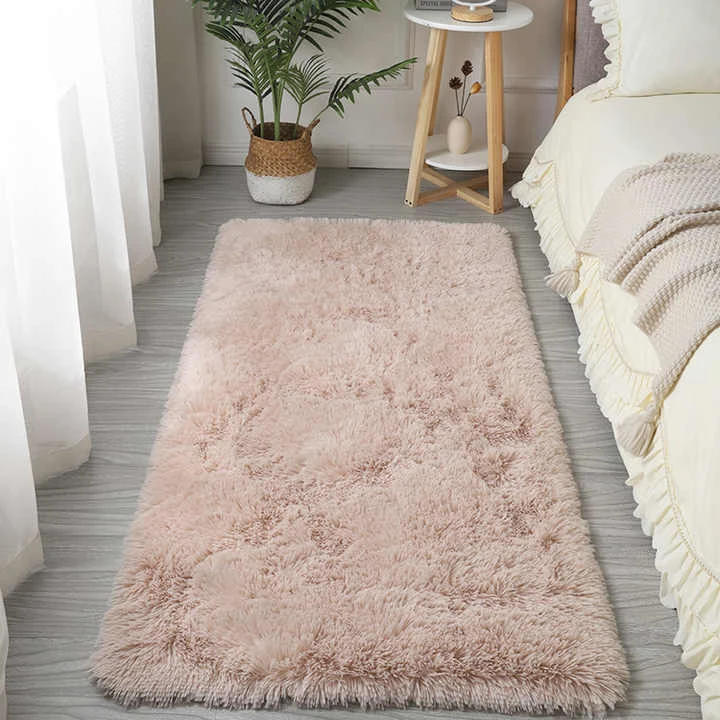
The 3x5 faux fur rug represents a significant segment within the broader decorative textiles industry, serving as a cost-effective and ethically sourced alternative to natural fur. Its technical positioning resides within the realm of floor coverings, specifically focusing on providing tactile comfort and aesthetic appeal. Faux fur rugs are utilized in residential, commercial, and increasingly, specialized applications such as pet bedding and photographic backdrops. Core performance characteristics revolve around fiber density, pile height, base material durability, and resistance to shedding. A key industry pain point is achieving a realistic fur-like texture and luster while maintaining acceptable levels of abrasion resistance and cleanability. Furthermore, concerns regarding the environmental impact of manufacturing processes and material sourcing are driving demand for more sustainable faux fur options. The construction involves attaching synthetic fibers to a backing material, a process that dictates the overall performance and longevity of the product.
Material Science & Manufacturing
The core material of a 3x5 faux fur rug is typically comprised of acrylic, polyester, or a blend of both. Acrylic fibers (polyacrylonitrile) are favored for their inherent wool-like feel and ability to mimic the crimp and texture of natural fur. However, acrylic exhibits lower abrasion resistance and can be susceptible to pilling. Polyester, conversely, offers superior durability and resilience, but often lacks the same softness as acrylic. The denier (fiber thickness) of the synthetic filaments is a critical parameter; lower denier fibers contribute to a softer hand but are less robust. The backing material is commonly a jute, polypropylene, or latex composite. Jute provides a natural fiber base, but is prone to moisture absorption and subsequent degradation. Polypropylene offers excellent moisture resistance and strength, while latex provides a degree of elasticity and grip. Manufacturing involves a tufting or weaving process. Tufting involves inserting fibers into a pre-formed backing using needles, followed by latex adhesion and secondary backing application. Weaving, while less common for high-pile faux fur, offers a more interlocking fiber structure and superior dimensional stability. Key process parameters include tufting density (stitches per inch), pile height, fiber crimp rate, and the application temperature and concentration of the latex adhesive. Dyeing processes typically utilize acid dyes for acrylics and disperse dyes for polyesters, ensuring colorfastness and washability.
Performance & Engineering
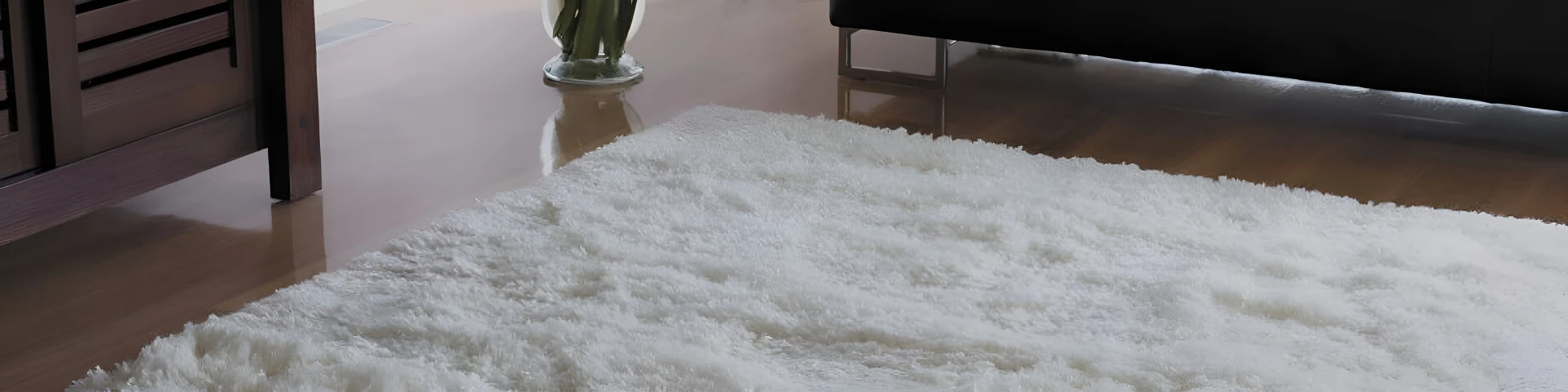
Performance of a 3x5 faux fur rug is dictated by several engineering considerations. The pile weight (grams per square meter) directly correlates to the rug’s density and perceived luxury. A higher pile weight generally indicates a more substantial and comfortable feel. Abrasion resistance, measured using methods like the Wyzenbeek test, is crucial for longevity, especially in high-traffic areas. Colorfastness to light and washing is assessed using standardized tests such as AATCC 16 and AATCC 61, ensuring the rug retains its color vibrancy over time. Dimensional stability, or resistance to shrinking or stretching, is governed by the backing material and fiber type. Fire retardancy is a significant safety concern, with regulations often requiring compliance with standards such as California Technical Bulletin 117. The rug's load-bearing capacity and resilience are influenced by the backing's tensile strength and the fiber’s elastic modulus. Static electricity buildup can be minimized through the incorporation of anti-static treatments into the fiber formulation. Environmental resistance encompasses resistance to mildew, UV degradation, and common household spills. Proper fiber selection and treatment are paramount to addressing these factors.
Technical Specifications
| Parameter | Acrylic Fiber Rug | Polyester Fiber Rug | Blend (60/40 Acrylic/Polyester) |
|---|---|---|---|
| Pile Height (mm) | 30-60 | 25-50 | 35-65 |
| Pile Weight (g/m²) | 800-1200 | 1000-1500 | 900-1300 |
| Fiber Denier | 2-3 | 3-4 | 2.5-3.5 |
| Abrasion Resistance (Wyzenbeek Cycles) | 5,000-10,000 | 15,000-25,000 | 10,000-18,000 |
| Colorfastness to Light (Rating 1-5, 5=Excellent) | 3-4 | 4-5 | 3.5-4.5 |
| Backing Material | Jute or Latex | Polypropylene or Latex | Polypropylene/Latex Composite |
Failure Mode & Maintenance
Common failure modes for a 3x5 faux fur rug include fiber shedding, matting (loss of pile resilience), pilling (formation of fiber balls), and delamination of the backing. Shedding is inherent in many synthetic fibers, particularly during the initial use period. Matting occurs due to repeated compression and abrasion, reducing the fiber’s ability to spring back to its original shape. Pilling is exacerbated by lower-quality fibers and aggressive wear. Delamination results from the failure of the adhesive bond between the fibers and the backing material, often accelerated by moisture exposure. Oxidation of acrylic fibers upon prolonged UV exposure can lead to discoloration and brittleness. Maintenance recommendations include regular vacuuming (using a brush attachment to avoid fiber damage), spot cleaning with a mild detergent and water, and avoidance of harsh chemicals or abrasive cleaners. Professional cleaning is recommended for deep cleaning and stain removal. To prevent matting, rotating the rug periodically and avoiding prolonged direct sunlight are advisable. For delamination, professional re-gluing of the backing may be possible, but often repair is not economically viable. Preventative measures, such as using a rug pad, can significantly extend the lifespan of the rug by providing cushioning and reducing wear.
Industry FAQ
Q: What is the primary difference between acrylic and polyester faux fur in terms of long-term durability?
A: Polyester generally exhibits superior durability and abrasion resistance compared to acrylic. While acrylic offers a softer hand feel, polyester fibers are less prone to pilling and maintain their structural integrity for a longer period, especially in high-traffic areas. This translates to a longer lifespan for polyester-based rugs.
Q: How does the backing material impact the rug’s overall performance and potential for failure?
A: The backing material provides structural support and contributes to dimensional stability. Jute is a natural, breathable option but susceptible to moisture damage and mold growth, leading to delamination. Polypropylene offers excellent moisture resistance and strength, while latex provides good grip but can degrade over time. The choice of backing directly influences the rug's resistance to wear and tear.
Q: What testing standards are relevant for assessing the flammability of a faux fur rug?
A: The most common standard is California Technical Bulletin 117 (TB 117), which evaluates the flammability of upholstery materials. Other relevant standards include NFPA 701 (for large-area textiles) and various regional fire safety regulations. Compliance with these standards is crucial for ensuring product safety.
Q: What causes pilling in faux fur rugs, and how can it be minimized?
A: Pilling is caused by the entanglement of loose fibers on the surface of the rug. It's more prevalent in lower-quality rugs with shorter fiber lengths. Minimizing pilling involves selecting rugs with higher-quality, longer-staple fibers, regular vacuuming with a gentle brush attachment, and avoiding excessive abrasion.
Q: How does the pile height affect both the comfort and the maintenance requirements of the rug?
A: Higher pile heights generally provide a more luxurious and comfortable feel, but they also tend to accumulate more dust and debris, requiring more frequent and thorough vacuuming. Lower pile heights are easier to clean but may not offer the same level of plushness. The ideal pile height depends on the intended use and desired level of maintenance.
Conclusion
The 3x5 faux fur rug, while seemingly simple, embodies a complex interplay of material science, manufacturing processes, and performance engineering. Achieving a desirable combination of aesthetic appeal, durability, and cost-effectiveness necessitates careful consideration of fiber selection, backing material, and production techniques. The industry continually strives to address pain points surrounding abrasion resistance, shedding, and environmental sustainability, leading to innovations in fiber technology and manufacturing practices.
Future developments will likely focus on bio-based synthetic fibers, improved latex formulations for enhanced adhesion, and more sustainable manufacturing processes. Furthermore, advancements in textile finishing technologies will aim to further enhance the realistic appearance and tactile properties of faux fur, narrowing the gap between synthetic and natural fur options. Maintaining stringent quality control and adherence to relevant industry standards will remain paramount to ensuring consumer satisfaction and product longevity.