


6 inch pile faux fur Performance Analysis
Introduction
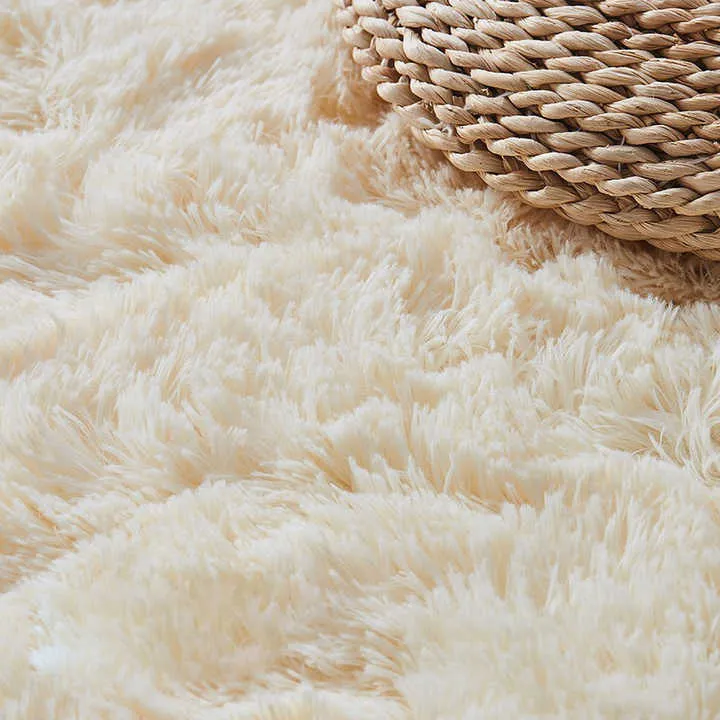
6-inch pile faux fur represents a significant advancement in textile engineering, designed to mimic the aesthetic and tactile properties of genuine animal fur without the ethical or sustainability concerns. Positioned within the broader synthetic textile industry, this material finds application across diverse sectors including fashion, home décor, film and theater props, and specialized industrial uses requiring soft, insulating surfaces. Its core performance characteristics revolve around pile height, density, fiber composition, backing material, and manufacturing consistency. Unlike natural fur, 6-inch pile faux fur offers controllable and repeatable properties, crucial for large-scale production and specific functional requirements. A primary industry challenge lies in balancing the luxurious feel demanded by end-users with cost-effective production methods and durable performance.
Material Science & Manufacturing
The foundation of 6-inch pile faux fur typically lies in a base fabric, commonly woven or knitted from polyester, polypropylene, or acrylic. Polyester is favored for its durability, resilience, and cost-effectiveness, while polypropylene offers superior moisture resistance. Acrylic provides a softer hand feel but can be less durable. The ‘pile’ – the fur-like component – consists of acrylic or modified polyester fibers. Acrylic fibers impart a softer, more natural feel due to their crimped structure, whereas modified polyester provides increased durability and colorfastness. The manufacturing process begins with the creation of the base fabric. Following this, the pile fibers are embedded into the base using several techniques. Tufting is the most common, involving inserting loops of yarn through the base fabric and securing them with a backing adhesive. Cut pile is created by shearing the loops, resulting in the characteristic fur texture. Density, measured in ounces per square yard, is a critical parameter controlling the fullness and insulating properties. Fiber denier (thickness) and crimp frequency influence the softness and drape of the final product. Parameter control during the tufting and shearing stages, including needle gauge, loop density, and blade sharpness, dictates the uniformity and quality of the pile. Chemical compatibility of the dyes used for coloring the fibers with the base fabric and pile material is essential to prevent color bleeding or degradation over time. Proper heat setting post-tufting stabilizes the pile fibers, preventing shedding and maintaining the desired shape.

Performance & Engineering
The performance of 6-inch pile faux fur is governed by several engineering considerations. Shear strength, determined via ASTM D4967, is critical for applications involving physical stress, such as costume design or furniture upholstery. Tensile strength, assessed using ASTM D751, indicates the fabric’s resistance to tearing. Flammability is a significant concern, particularly for theatrical or public space applications, necessitating compliance with standards like NFPA 701. Pilling resistance, measured according to ASTM D3512, determines the fabric's tendency to form small balls of fiber on the surface. Thermal resistance (R-value), reflecting its insulating properties, is crucial for applications like bedding or outerwear. Environmental resistance considers the material's behavior under UV exposure (ASTM G154), humidity, and temperature fluctuations. Degradation due to UV radiation leads to color fading and fiber embrittlement. Moisture management is also important; while generally water-resistant, prolonged exposure can lead to mildew or fiber breakdown. Force analysis during manufacturing – specifically, the tension applied during tufting – must be carefully controlled to avoid base fabric distortion or pile fiber breakage. Backing material selection impacts overall durability and performance; latex coatings enhance dimensional stability but can degrade over time. Polyurethane backing provides superior durability and flexibility.
Technical Specifications
| Parameter | Unit | Typical Value | Test Method |
|---|---|---|---|
| Pile Height | inches | 6 ± 0.5 | Visual Inspection/Ruler Measurement |
| Fiber Composition | % | Acrylic/Polyester Blend (80/20) | FTIR Spectroscopy |
| Base Fabric Weight | oz/yd² | 4-6 | Scale Measurement |
| Pile Density | oz/yd² | 8-12 | Weight Analysis |
| Tensile Strength (Warp) | lbs | 50-70 | ASTM D751 |
| Tensile Strength (Weft) | lbs | 40-60 | ASTM D751 |
Failure Mode & Maintenance
Common failure modes for 6-inch pile faux fur include pile shedding, matting, color fading, and base fabric degradation. Pile shedding occurs due to insufficient fiber anchoring during tufting or abrasion during use. Matting results from fiber compression and entanglement, reducing the pile's loft and aesthetic appeal. UV exposure is a primary cause of color fading and fiber embrittlement, particularly with acrylic fibers. Hydrolytic degradation of polyester fibers, accelerated by heat and humidity, can lead to loss of strength and pile integrity. Physical damage, such as tearing or puncture, can compromise the base fabric and accelerate overall failure. Maintenance involves regular vacuuming with a soft brush attachment to remove dust and debris. Avoid excessive heat or harsh chemicals during cleaning. Spot cleaning with a mild detergent and water is recommended for localized stains. For significant soiling, professional dry cleaning is preferred. Proper storage in a cool, dry, and dark environment minimizes UV degradation and moisture-related issues. To mitigate shedding, avoid vigorous rubbing or scratching. Repairing minor tears in the base fabric requires careful stitching with matching thread. Preventative measures include using UV protectants on exposed surfaces and employing durable backing materials.
Industry FAQ
Q: What is the primary difference between acrylic and polyester pile fibers in terms of performance?
A: Acrylic fibers provide a softer, more luxurious feel and better drape, but are generally less durable and more susceptible to UV degradation and matting. Polyester offers superior durability, colorfastness, and resistance to abrasion, but may not replicate the softness of acrylic as effectively. The optimal choice depends on the intended application and performance priorities.
Q: How does the base fabric construction impact the overall durability of the faux fur?
A: The base fabric provides the structural integrity of the faux fur. A tightly woven or knitted base offers greater resistance to tearing and distortion. The fiber content of the base fabric also matters; polyester or polypropylene are generally more durable than cotton. Backing material choice – latex or polyurethane – significantly influences dimensional stability and resistance to delamination.
Q: What flammability standards are typically required for faux fur used in theatrical productions?
A: Theatrical productions generally require faux fur to meet NFPA 701 (Standard Methods of Fire Tests for Flame Propagation of Textiles and Films). This standard assesses the material’s flame resistance and smoke development. Compliance involves applying flame retardant treatments, but these treatments can affect the fabric’s hand feel and durability.
Q: How can colorfastness be improved in 6-inch pile faux fur?
A: Colorfastness can be improved by using high-quality dyes with good lightfastness ratings. Selecting dyes that are chemically compatible with both the pile and base fibers is crucial. Employing a robust dye fixation process, including proper rinsing and after-treatment, also enhances color retention. UV protectant finishes can further mitigate color fading from sunlight exposure.
Q: What is the environmental impact of faux fur production compared to natural fur?
A: While faux fur avoids the ethical concerns associated with natural fur, its production relies on petroleum-based materials (polyester, acrylic). However, the environmental impact of natural fur farming – including water usage, pesticide application, and greenhouse gas emissions – is often significantly higher. Research is ongoing to develop more sustainable faux fur options utilizing recycled materials and bio-based polymers.
Conclusion
6-inch pile faux fur represents a sophisticated material engineered to provide a luxurious aesthetic and functional performance. Its production requires careful control of material selection, manufacturing processes, and parameter optimization to ensure durability, colorfastness, and compliance with relevant safety standards. Understanding the potential failure modes and implementing appropriate maintenance practices are crucial for maximizing the lifespan and value of this versatile textile.
Future developments in 6-inch pile faux fur are likely to focus on enhancing sustainability through the adoption of recycled and bio-based materials, improving UV resistance through advanced fiber treatments, and developing more durable and resilient base fabric constructions. Continued research into novel tufting techniques and backing materials will further refine the performance characteristics of this increasingly important synthetic textile.