

6x9 faux fur rug Performance Analysis
Introduction
The 6x9 faux fur rug represents a significant segment within the broader decorative textile market, specifically catering to residential and light commercial applications. Technically positioned as a synthetic floor covering, it functions as an alternative to genuine animal fur, offering comparable aesthetic appeal without the ethical and cost concerns. Its core performance characteristics revolve around providing thermal insulation, tactile comfort, and visual enhancement of interior spaces. Unlike traditional woven rugs, faux fur construction emphasizes pile height, density, and fiber composition to emulate the texture and appearance of natural fur. The industry faces persistent challenges related to achieving realistic textures, ensuring durability against abrasion and compression, and minimizing shedding of synthetic fibers. Recent innovations focus on utilizing advanced fiber technologies and improved backing materials to address these issues and enhance the product’s lifespan and performance.
Material Science & Manufacturing
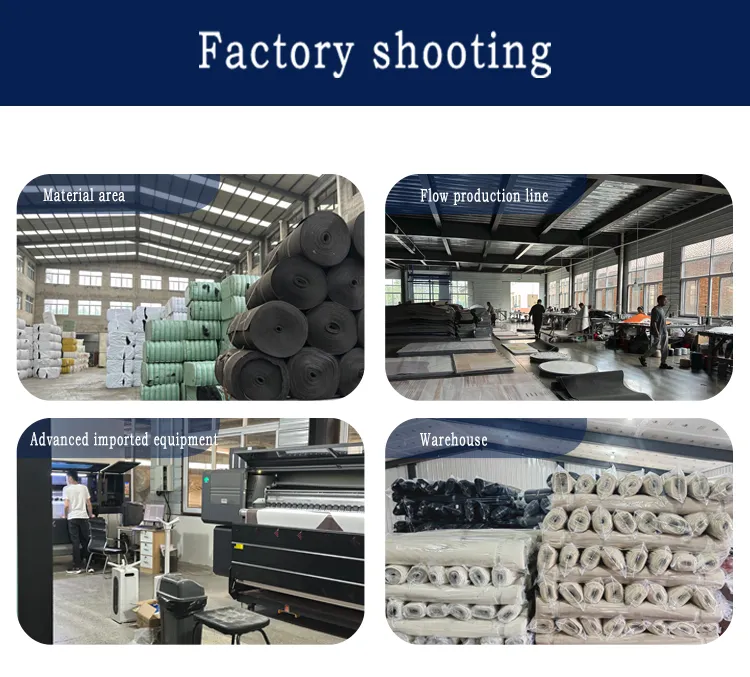
The primary raw material for 6x9 faux fur rugs is typically a synthetic polymer, most commonly acrylic or polyester. Acrylic fibers provide a softer, more luxurious feel, closely mimicking the texture of real fur, but tend to have lower abrasion resistance. Polyester offers enhanced durability and stain resistance, albeit with a slightly less opulent tactile sensation. The manufacturing process begins with the extrusion of polymer filaments. Acrylic is produced via acrylonitrile polymerization, while polyester originates from the esterification of ethylene glycol and terephthalic acid. These filaments are then processed into yarn through various methods like carding and spinning. The key manufacturing step is the tufting or weaving of the yarn into a backing material, commonly polypropylene or jute. Tufting involves inserting yarn loops through the backing, secured with a latex adhesive. Weaving, though less common for high-pile faux fur, creates a more structured and durable fabric. Pile height is controlled by the loop density and yarn feed rate during tufting. Post-tufting processes include shearing to achieve the desired pile length and density, dyeing or printing to achieve the desired color and pattern, and a final backing treatment to enhance stability and prevent shedding. Parameter control during extrusion (temperature, draw ratio) and tufting (stitch rate, yarn tension) are crucial for maintaining consistent product quality and performance. The latex adhesive composition significantly impacts the rug's resilience and longevity; formulations must be optimized for flexibility and adhesion to both the yarn and backing.
Performance & Engineering
Performance of a 6x9 faux fur rug is dictated by several engineering factors. Shear resistance, critical for high-traffic areas, is determined by the fiber type and backing strength. A force analysis reveals that pile deformation under load is primarily elastic for acrylic and exhibits some plastic deformation for polyester. Environmental resistance is another key consideration. Exposure to ultraviolet (UV) radiation can cause fading and degradation of the synthetic fibers, particularly acrylic. Therefore, UV stabilizers are often incorporated into the polymer formulation. Moisture absorption is minimal for both acrylic and polyester, contributing to mold and mildew resistance. However, prolonged exposure to high humidity can lead to odor retention. Compliance requirements typically involve flammability testing (meeting standards like California Technical Bulletin 117), formaldehyde emission limits, and colorfastness to rubbing and washing. Functional implementation considerations include assessing the rug's slip resistance – often enhanced through the application of a latex or rubberized backing – and its ability to withstand repeated compression without significant pile distortion. The density of the pile directly impacts thermal insulation; higher density equates to improved thermal performance, though at the cost of increased material usage. Static charge buildup is a common issue with synthetic fibers; anti-static treatments can mitigate this phenomenon.
Technical Specifications
| Parameter | Acrylic Faux Fur | Polyester Faux Fur | Unit |
|---|---|---|---|
| Pile Height | 1.5 – 2.5 | 1.2 – 2.0 | inches |
| Pile Density | 800 – 1200 | 600 – 1000 | grams/m² |
| Fiber Denier | 2 – 4 | 3 – 6 | dtex |
| Backing Material | Polypropylene/Jute | Polypropylene | - |
| Tensile Strength (Pile) | 60 – 80 | 80 – 100 | N/cm |
| Colorfastness to Light (AATCC 163) | 4 – 5 | 5 – 6 | Grade (1-5) |
Failure Mode & Maintenance
Common failure modes for 6x9 faux fur rugs include fiber shedding, pile matting, and delamination of the backing. Fiber shedding is inherent to the manufacturing process and is exacerbated by abrasion and wear. Pile matting occurs due to the compression of fibers under foot traffic, leading to a loss of loft and aesthetic appeal. Delamination, the separation of the pile from the backing, is often caused by adhesive failure or degradation of the backing material over time. Oxidation of the synthetic fibers, particularly acrylic, can result in discoloration and brittleness. Fatigue cracking can develop in the backing material due to repeated stress. Maintenance is crucial for extending the lifespan of the rug. Regular vacuuming with a suction-only attachment helps remove loose fibers and debris. Avoid using brushes or beater bars, as they can accelerate fiber shedding. Spot cleaning with a mild detergent solution is recommended for spills. Professional cleaning is advisable for thorough cleaning and restoration of pile loft. Exposure to direct sunlight should be minimized to prevent fading. To prevent delamination, avoid excessive moisture and ensure the rug is placed on a non-slip pad to reduce stress on the backing. Regularly rotating the rug can distribute wear evenly and prolong its overall lifespan.
Industry FAQ
Q: What is the primary difference between acrylic and polyester faux fur in terms of durability?
A: Polyester faux fur generally exhibits superior durability and abrasion resistance compared to acrylic. While acrylic provides a softer feel, polyester fibers are less prone to wear and tear under foot traffic and are more resilient to crushing. This translates to a longer lifespan for polyester rugs, particularly in high-traffic areas.
Q: How does the backing material affect the overall performance of the rug?
A: The backing material is crucial for structural integrity and prevents delamination. Polypropylene backings are common due to their cost-effectiveness and water resistance. Jute backings offer a more natural feel but are less durable and susceptible to moisture damage. The adhesive used to bond the pile to the backing is also critical; a strong, flexible adhesive is essential for preventing separation.
Q: What measures are taken to reduce shedding in faux fur rugs?
A: Shedding is unavoidable to some extent, but manufacturers employ several techniques to minimize it. These include using high-quality fibers with longer staple lengths, optimizing the tufting or weaving process to secure the fibers firmly, and applying a latex coating to encapsulate the yarn ends. Regular vacuuming is still essential to remove loose fibers.
Q: Are faux fur rugs resistant to staining, and what cleaning methods are recommended?
A: Polyester faux fur exhibits better stain resistance than acrylic. For both types, prompt cleaning is crucial. Blot spills immediately with a clean cloth and use a mild detergent solution. Avoid harsh chemicals or abrasive cleaners, as they can damage the fibers. Professional cleaning is recommended for stubborn stains.
Q: What flammability standards typically apply to 6x9 faux fur rugs?
A: The most common flammability standard is California Technical Bulletin 117, which assesses the flammability of the materials used in upholstered furniture, including rugs. Compliance with this standard ensures that the rug meets minimum safety requirements regarding ignition resistance and flame spread.
Conclusion
The 6x9 faux fur rug represents a compelling balance between aesthetic appeal, cost-effectiveness, and ethical considerations. Its performance is fundamentally governed by the interplay of fiber properties, manufacturing techniques, and backing material selection. Understanding the nuances of acrylic versus polyester, the mechanics of pile construction, and the potential failure modes is critical for both manufacturers and consumers seeking a durable and visually pleasing floor covering.
Future developments in this sector will likely focus on enhancing sustainability through the utilization of recycled materials, improving fiber technology to minimize shedding and enhance realism, and developing more robust and environmentally friendly backing materials. Continued adherence to industry standards and rigorous quality control measures will be essential for maintaining product integrity and meeting evolving consumer demands.