

8 by 10 faux fur rug Performance Analysis
Introduction
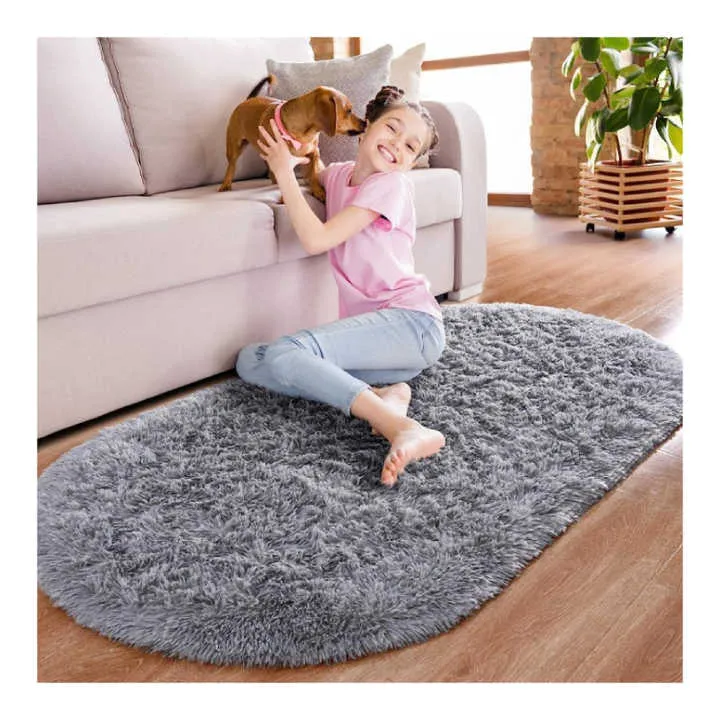
The 8 by 10 faux fur rug represents a significant segment within the broader floor coverings market, specifically targeting the residential and light commercial sectors. Unlike natural fur rugs, these products utilize synthetic fibers engineered to mimic the appearance and tactile sensation of genuine animal fur. Technically, they fall under the category of pile fabrics, where cut fibers are mechanically attached to a backing material. The core performance characteristics center around aesthetics – providing a luxurious visual texture – and comfort, offering a soft and warm surface. However, increasingly, considerations relating to durability, cleanability, and material sustainability are driving material science and manufacturing developments. Within the supply chain, these rugs are positioned downstream from petrochemical production (for synthetic fiber creation) and textile manufacturing (fiber formation and backing production), and upstream from retail distribution and end-user application. A primary industry pain point is balancing realistic aesthetic imitation of natural fur with long-term wear resistance and resistance to common household contaminants.
Material Science & Manufacturing
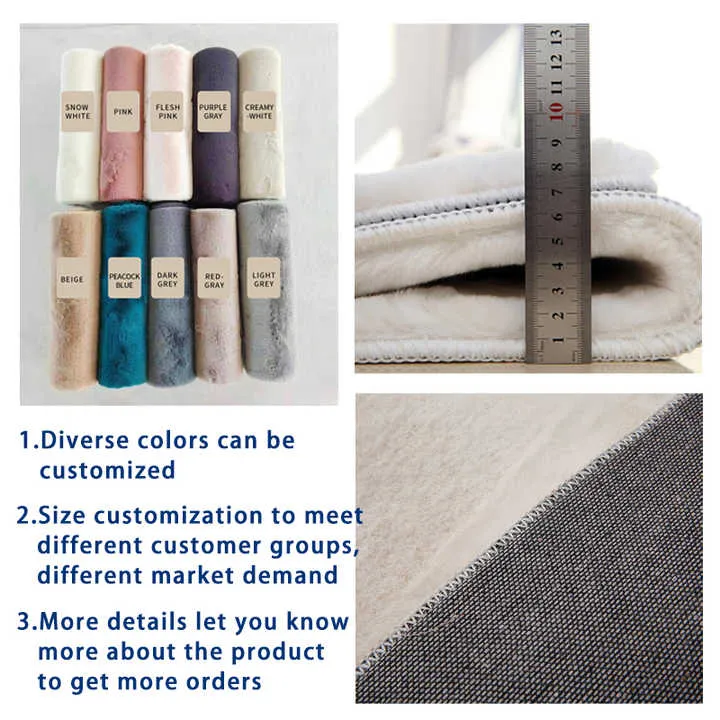
The primary material component of an 8 by 10 faux fur rug is synthetic fiber, predominantly composed of acrylic or polyester. Acrylic fibers (polyacrylonitrile) are favored for their close resemblance to natural fur, offering a soft hand and excellent dyeability. Polyester, however, provides superior durability, stain resistance, and cost-effectiveness. The choice between these depends on the desired price point and performance profile. Backing materials typically consist of jute, polypropylene, or a combination thereof. Jute provides natural structure but is susceptible to moisture damage; polypropylene offers better water resistance and longevity. Manufacturing involves several key stages: Fiber extrusion (melting and forming the polymer into filaments), Fiber cutting (precisely trimming the filaments to achieve the desired pile height), Weaving or Knitting (creating the base fabric structure), Pile insertion (attaching the cut fibers to the base), and Finishing (applying treatments for stain resistance, fire retardancy, and aesthetic enhancement). Parameter control is critical at each stage. Consistent fiber denier (thickness) impacts the softness and density. Precise cut length determines pile uniformity. Backing material tension influences dimensional stability. Dyeing process temperature and chemical concentration affect color fastness. A key challenge is minimizing fiber shedding during manufacturing and use, which requires optimized fiber entanglement and adhesive bonding techniques. Chemical compatibility between the fiber, backing, and any applied treatments is paramount to prevent degradation.
Performance & Engineering
Performance analysis of an 8 by 10 faux fur rug centers around several key engineering considerations. Firstly, pile density (measured in ounces per square yard) directly impacts the perceived luxury and thermal insulation properties. Higher density equates to a softer feel and greater heat retention. Secondly, fiber crimp – the waviness of the fiber – affects the loft and resilience of the pile. More crimp contributes to a fuller appearance and improved recovery from compression. Thirdly, the backing material’s tensile strength and elongation properties determine the rug's resistance to stretching and tearing. Force analysis reveals that the majority of stress is concentrated at the fiber-backing interface during use. Environmental resistance is crucial. Exposure to UV radiation can cause fiber discoloration and degradation, necessitating UV stabilizers in the polymer formulation. Moisture absorption can lead to mildew growth and backing deterioration, requiring water-repellent treatments. Compliance requirements vary by region, but generally address flammability (meeting standards like California Proposition 65), VOC emissions (limiting volatile organic compounds), and fiber content labeling (accurate representation of material composition). Functional implementation details include ensuring adequate rug weight to prevent shifting and bunching, and utilizing non-slip backing options to enhance safety.
Technical Specifications
| Parameter | Acrylic Fiber Rug | Polyester Fiber Rug | Typical Range |
|---|---|---|---|
| Pile Height (mm) | 30-60 | 25-50 | 20-70 |
| Pile Density (oz/yd²) | 800-1200 | 600-1000 | 400-1500 |
| Fiber Denier | 1.5-3.0 | 1.0-2.5 | 1.0-4.0 |
| Backing Material | Jute/Polypropylene Blend | Polypropylene | Jute, Polypropylene, Latex |
| Tensile Strength (N/mm²) | 20-40 (backing) | 30-50 (backing) | 15-60 (backing) |
| Water Absorption (%) | 10-15 | 0.5-1.0 | 0-20 |
Failure Mode & Maintenance
Common failure modes in 8 by 10 faux fur rugs include fiber shedding, pile matting, backing delamination, and stain damage. Fiber shedding is often initiated by mechanical abrasion during foot traffic, leading to a gradual loss of pile density. Pile matting occurs when fibers become crushed and lose their resilience, resulting in a flattened appearance. This is exacerbated by prolonged pressure from furniture. Backing delamination, where the backing separates from the pile, is frequently caused by moisture ingress and weakening of the adhesive bond. Stain damage arises from spills that penetrate the fibers, particularly with acrylic rugs which are more susceptible to certain dyes. Oxidation from prolonged UV exposure can also cause fiber brittleness and discoloration. Preventative maintenance includes regular vacuuming (using a low-suction setting to minimize fiber removal), prompt stain treatment (using appropriate cleaning agents specific to the fiber type), avoiding direct sunlight exposure, and periodically rotating the rug to distribute wear evenly. For delamination, professional re-gluing is recommended. If significant fiber loss occurs, repair is often impractical, and replacement is typically the most cost-effective solution. The lifespan of the rug is also dependent on the quality of initial manufacturing and the level of usage and care.
Industry FAQ
Q: What is the primary difference between acrylic and polyester faux fur in terms of longevity?
A: Polyester generally exhibits superior durability and resistance to abrasion compared to acrylic. Acrylic fibers tend to pill and shed more readily over time, leading to a decrease in pile density. Polyester maintains its shape and texture for a longer period, making it a more suitable choice for high-traffic areas.
Q: How does the backing material impact the overall performance of the rug, specifically regarding moisture?
A: The backing material is critical for moisture control. Jute, while natural, absorbs moisture, potentially leading to mildew growth and weakening of the backing. Polypropylene is inherently water-resistant and offers better protection against moisture damage. A combination of jute and polypropylene attempts to balance cost and performance, but careful consideration of the environment is vital.
Q: What types of stain treatments are recommended for faux fur rugs, and are there any to avoid?
A: Water-based stain repellents are generally recommended, particularly for polyester rugs. For acrylic rugs, solvent-based treatments may be more effective, but they require careful testing in an inconspicuous area first. Avoid harsh chemical cleaners, bleach, and abrasive scrubbing, as these can damage the fibers. Enzyme-based cleaners can be effective for organic stains.
Q: Can faux fur rugs be professionally cleaned, and what cleaning methods are safest?
A: Yes, professional cleaning is possible, but it’s crucial to inform the cleaner that the rug is faux fur. Dry cleaning is generally the safest method, as it minimizes water exposure. Avoid steam cleaning, as the heat and moisture can damage the backing and fibers. The cleaning process should include gentle agitation and thorough vacuuming.
Q: How important is pile density in determining the overall quality and feel of the rug?
A: Pile density is a significant indicator of quality. Higher pile density generally translates to a softer, more luxurious feel and better thermal insulation. However, it's not the sole determinant; fiber quality and crimp also play crucial roles. A rug with a lower density but high-quality fibers can sometimes feel more comfortable than a rug with high density and inferior fibers.
Conclusion
The 8 by 10 faux fur rug, while offering an aesthetically pleasing alternative to natural fur, presents a complex interplay of material science and manufacturing considerations. Optimizing performance necessitates a careful selection of fiber type (acrylic vs. polyester), backing material, and manufacturing process parameters to balance desirable characteristics like softness and appearance with critical performance attributes such as durability, stain resistance, and dimensional stability. Understanding the potential failure modes – fiber shedding, pile matting, and backing delamination – is crucial for implementing effective preventative maintenance strategies and ensuring a prolonged product lifespan.
Future developments in this field are likely to focus on sustainable materials, utilizing recycled polymers and bio-based fibers to reduce environmental impact. Enhanced fiber entanglement technologies will further minimize shedding, and advancements in backing materials will improve moisture resistance and structural integrity. Furthermore, the integration of smart textile technologies, such as antimicrobial treatments and embedded sensors for monitoring wear and tear, could elevate the functionality and value proposition of these rugs in the consumer market.