

animal faux rug Performance Analysis
Introduction
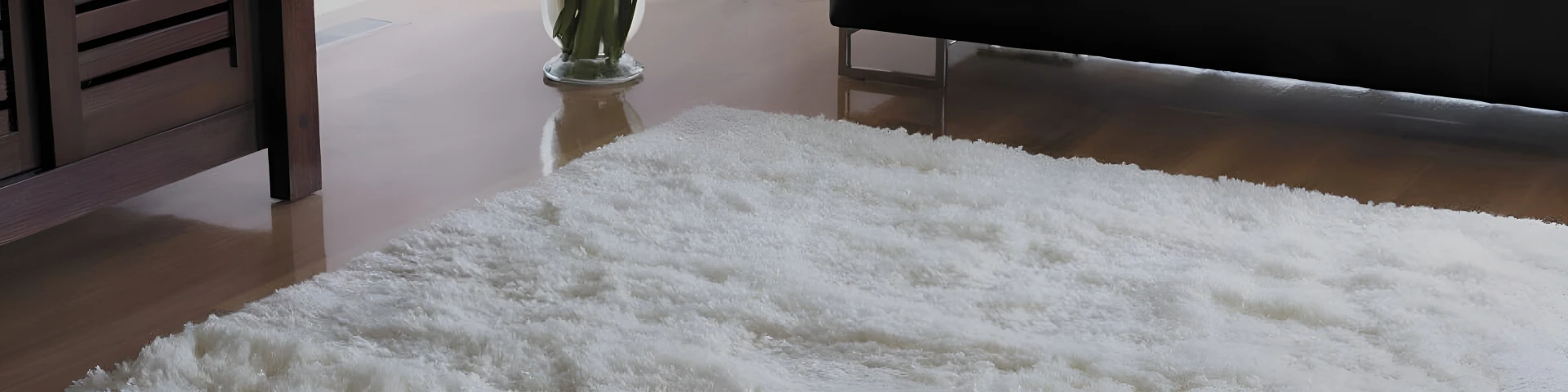
Animal faux rugs, also known as imitation animal hides or synthetic rugs, represent a significant segment within the broader floor covering and home décor industries. Positioned as an ethically sourced and often more cost-effective alternative to genuine animal hides, these rugs utilize synthetic materials to replicate the aesthetic and tactile properties of animal pelts. They are utilized in residential, commercial, and increasingly, specialized applications like photography and film production. Core performance characteristics revolve around durability, aesthetic fidelity, ease of maintenance, and resistance to staining and wear. The market has expanded driven by increasing consumer awareness of animal welfare concerns and advancements in synthetic fiber technology. Understanding the intricacies of their material composition, manufacturing processes, and performance limitations is critical for informed procurement and effective application.
Material Science & Manufacturing
The core material for animal faux rugs is typically a woven or non-woven fabric base – commonly polypropylene (PP) or polyester – upon which a pile is constructed. Polypropylene is favored for its inherent stain resistance, low cost, and relatively high tensile strength. Polyester offers superior UV resistance and a softer hand-feel but is generally more susceptible to oil-based stains. The pile itself is created from various synthetic fibers, including acrylic, modacrylic, and more recently, microfiber blends. Acrylic provides a wool-like texture and good bulk, while modacrylic offers enhanced flame retardancy. Microfibers contribute to a luxurious, soft texture mimicking the feel of natural fur. Manufacturing processes begin with the production of the base fabric, often utilizing a tufting or needle-punching technique. Tufting involves inserting loops of yarn into the base, which are then sheared to create a cut pile. Needle-punching mechanically interlocks fibers into the base fabric. Following pile formation, the rug undergoes dyeing and finishing processes. Dyeing is typically performed using solution dyeing, where pigment is added to the fibers before they are woven, resulting in exceptional colorfastness. Finishing treatments include brushing, carving, and applying anti-static or antimicrobial coatings. Parameter control during manufacturing is vital. Yarn denier (fiber thickness), pile height, stitch rate, and dye concentration directly influence the rug’s texture, density, durability, and aesthetic appeal. Consistent monitoring of these parameters is essential to maintain product quality and minimize batch-to-batch variations. The backing material, usually a latex or PVC coating, provides structural stability and prevents slippage.
Performance & Engineering
Performance evaluation of animal faux rugs centers around assessing their physical integrity under various stress conditions. Tensile strength, determined via ASTM D4157, quantifies the resistance to tearing and pulling forces, crucial for high-traffic areas. Abrasion resistance, measured by ASTM D3886, indicates the rug’s ability to withstand surface wear from foot traffic and cleaning. Flammability testing, conforming to standards like California Technical Bulletin 117, evaluates ignition resistance and flame spread rate, essential for safety compliance. Environmental resistance is another key aspect. Exposure to ultraviolet (UV) radiation can cause color fading and fiber degradation; testing according to ISO 105-B02 assesses colorfastness to light. Water absorption, determined through ASTM D570, impacts stain resistance and potential for mold growth. Force analysis reveals how the rug responds to concentrated loads, influencing indentation recovery and overall durability. The backing material plays a critical role in preventing delamination and maintaining dimensional stability. Engineered variations, such as incorporating recycled materials or antimicrobial treatments, address sustainability and hygiene concerns. Compliance with VOC emission standards (e.g., CARB Section 93120) is increasingly important, particularly in indoor environments. The pile height and density impact the perceived comfort and thermal insulation properties of the rug.
Technical Specifications
| Parameter | Unit | Typical Range (Economy Grade) | Typical Range (Premium Grade) |
|---|---|---|---|
| Pile Material | - | Polypropylene | Microfiber Polyester/Acrylic Blend |
| Pile Height | mm | 20-30 | 30-50 |
| Pile Density | oz/yd² | 800-1200 | 1200-2000 |
| Base Material | - | Polypropylene | Polyester/Cotton Blend |
| Backing Material | - | Latex | PVC with Felt Layer |
| Tensile Strength (Warp/Weft) | lbs | 50/40 | 80/60 |
| Abrasion Resistance (Taber Cycles) | Cycles | 2000 | 5000 |
| Colorfastness to Light (ISO 105-B02) | Rating (1-8) | 4-5 | 6-7 |
Failure Mode & Maintenance
Animal faux rugs, while durable, are susceptible to various failure modes. Fiber shedding is common, particularly during initial use, resulting from loose fibers detaching from the pile. Pile crush, caused by prolonged compression, leads to a flattened appearance and reduced resilience. Delamination, the separation of the pile from the backing material, occurs due to adhesive failure or mechanical stress. UV degradation results in color fading and embrittlement of the fibers, especially in areas exposed to direct sunlight. Stain penetration, particularly from oil-based substances, can occur if the rug lacks adequate stain resistance. Mechanical damage, such as tearing or punctures, can result from sharp objects. Maintenance is crucial for prolonging the rug’s lifespan. Regular vacuuming removes loose dirt and debris, preventing abrasive wear. Spot cleaning with a mild detergent and water addresses spills promptly. Avoid harsh chemicals or abrasive cleaners, as they can damage the fibers. Professional cleaning is recommended periodically to restore the rug’s appearance and remove embedded dirt. To prevent delamination, avoid excessive bending or folding. Rotate the rug periodically to distribute wear evenly. Proper underlayment can provide cushioning and prevent slippage, reducing stress on the backing material. Storage in a cool, dry place protects against mold growth and UV degradation.
Industry FAQ
Q: What is the difference between polypropylene and polyester faux fur, and which is better for high-traffic areas?
A: Polypropylene generally offers superior stain resistance and durability for high-traffic areas due to its inherent properties. While polyester boasts a softer hand-feel and better UV resistance, it is more prone to oil-based stains. For areas with heavy foot traffic or potential for spills, polypropylene is the preferred choice.
Q: How does pile height affect the durability and comfort of a faux fur rug?
A: Higher pile heights generally contribute to a more luxurious and comfortable feel but can be less durable in high-traffic zones. The longer fibers are more susceptible to crushing and matting. Lower pile heights offer better resilience and are easier to clean, making them more suitable for frequently used areas.
Q: What are the flammability standards I should be aware of when purchasing a faux fur rug for a commercial space?
A: Commercial spaces typically require rugs to meet stringent flammability standards, such as California Technical Bulletin 117 or NFPA 701. These standards assess flame spread, smoke development, and ignition resistance. It's crucial to verify that the rug has been tested and certified to comply with the relevant regulations for your jurisdiction.
Q: How can I prevent delamination of the faux fur rug's backing?
A: Delamination can be minimized by avoiding excessive bending or folding of the rug. Using a quality rug underlayment provides cushioning and prevents slippage, reducing stress on the backing material. Regular vacuuming to remove abrasive debris and prompt attention to spills also contribute to preventing backing deterioration.
Q: Are there any eco-friendly options available for animal faux rugs?
A: Increasingly, manufacturers are incorporating recycled materials, such as recycled polyester (rPET) made from plastic bottles, into the production of faux fur rugs. Look for rugs certified by organizations like Global Recycled Standard (GRS) to verify the recycled content. Some manufacturers are also exploring bio-based alternatives to traditional synthetic fibers.
Conclusion
Animal faux rugs represent a sophisticated synthesis of material science, manufacturing engineering, and aesthetic design. Their growing popularity reflects a confluence of factors – ethical consumerism, advancements in synthetic fiber technology, and the desire for accessible luxury. Understanding the nuances of material composition, performance characteristics, and potential failure modes is crucial for optimizing product selection and maximizing longevity. Proper maintenance and adherence to relevant safety standards are paramount to ensuring both aesthetic appeal and functional integrity.
Looking forward, innovation in this sector is likely to focus on enhancing sustainability through increased utilization of recycled materials and bio-based fibers, as well as improving the tactile qualities of synthetic fibers to more closely mimic the luxurious feel of genuine animal hides. Continued advancements in manufacturing processes will further enhance durability, colorfastness, and stain resistance, solidifying the position of animal faux rugs as a viable and increasingly desirable alternative to their natural counterparts.