


artificial sheepskin rug Performance Analysis
Introduction
Artificial sheepskin rug, also commonly referred to as faux sheepskin, represents a synthetic textile engineered to replicate the appearance and tactile properties of natural sheepskin. Unlike its animal-derived counterpart, artificial sheepskin is typically constructed from acrylic, modacrylic, or polyester fibers bonded to a backing material, often suede or a non-woven fabric. Its position within the broader textile industry chain is as a specialized finishing product, primarily utilized in interior decor, automotive applications (seat covers, linings), and specialized protective packaging. Core performance characteristics center around providing thermal insulation, a soft tactile experience, and aesthetic appeal, offering a cruelty-free and often more cost-effective alternative to genuine sheepskin. This guide provides an in-depth technical overview of its material science, manufacturing processes, performance attributes, potential failure modes, and relevant industry standards.
Material Science & Manufacturing
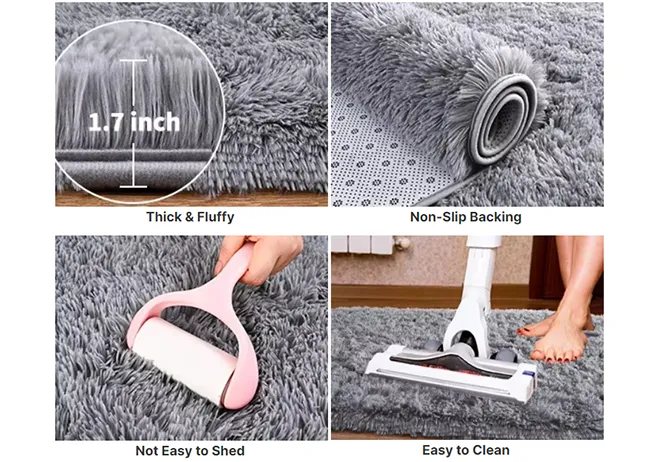
The foundation of artificial sheepskin lies in the polymer chemistry of its constituent fibers. Acrylic fibers, often comprising the pile, are produced via the polymerization of acrylonitrile. Modacrylic fibers, utilizing modacrylic monomers, offer inherent flame retardancy. Polyester, a widely used alternative, is created through the esterification of dicarboxylic acids and diols. The choice of polymer dictates properties such as UV resistance, softness, and cost. Manufacturing begins with fiber production – typically continuous filament processes for uniformity. These filaments undergo crimping to create the characteristic ‘loft’ of sheepskin. The critical step involves attaching these fibers to a backing material. This is achieved through several methods: needle punching, where barbed needles interlock fibers; adhesive bonding using polyurethane or latex compounds; or weaving, where fibers are interlaced with backing yarns. Parameter control during manufacturing is paramount. Fiber denier (fineness), pile height, and fiber density directly influence the final product’s hand feel, thermal properties, and durability. Dyeing processes utilize reactive dyes or pigment printing, with colorfastness assessed through lightfastness and washfastness testing (ISO 105). Backing material selection impacts slip resistance and overall structural integrity. The density and uniformity of fiber attachment are critical for preventing fiber shedding and maintaining aesthetic quality. Variations in manufacturing techniques result in different grades of artificial sheepskin, influencing price and performance.
Performance & Engineering
Performance analysis of artificial sheepskin centers around thermal insulation, mechanical strength, and chemical resistance. Thermal resistance (R-value) is determined by the pile height and fiber density, influencing its suitability for floor coverings and bedding. Mechanical properties, specifically tensile strength and tear strength, dictate its ability to withstand physical stress. Tensile strength is measured according to ASTM D4266, while tear strength is assessed via ASTM D624. The backing material significantly contributes to these properties. Environmental resistance is a critical consideration. Exposure to UV radiation can cause color fading and fiber degradation, necessitating the incorporation of UV stabilizers in the polymer formulation. Hydrolytic stability, particularly relevant for polyester-based materials, must be evaluated to predict long-term performance in humid environments. Compliance requirements vary depending on the intended application. For automotive applications, flammability testing (FMVSS 302) is essential. For children’s products, regulations such as EN 71-3 specify limits on heavy metal content and migration of harmful substances. Force analysis considers compression set – the permanent deformation of the material under sustained load – impacting its cushioning properties. Surface friction (coefficient of friction) is important for slip resistance, particularly in floor covering applications (ASTM D2047). The durability of the fiber-backing bond is evaluated through peel strength testing (ASTM D1876).
Technical Specifications
| Parameter | Acrylic Fiber Grade | Modacrylic Fiber Grade | Polyester Fiber Grade | Typical Backing Material |
|---|---|---|---|---|
| Fiber Denier (dtex) | 1.5 – 3.0 | 1.0 – 2.5 | 2.0 – 4.0 | N/A |
| Pile Height (mm) | 20 – 60 | 25 – 70 | 15 – 50 | N/A |
| Fiber Density (g/m²) | 400 – 1200 | 500 – 1500 | 300 – 1000 | N/A |
| Tensile Strength (MPa) | 40 – 70 | 30 – 60 | 50 – 80 | 15-30 (for backing) |
| Tear Strength (N) | 20 – 40 | 15 – 30 | 25 – 50 | 10-20 (for backing) |
| Colorfastness to Light (ISO 105 B02) | Grade 4-5 | Grade 5-6 | Grade 3-4 | N/A |
Failure Mode & Maintenance
Common failure modes in artificial sheepskin rug include fiber shedding, matting of the pile, color fading, and delamination of the fiber-backing bond. Fiber shedding arises from inadequate fiber anchorage during manufacturing or mechanical abrasion during use. Matting occurs due to repeated compression and friction, disrupting the fiber crimp and reducing loft. UV degradation causes color fading and embrittlement of the fibers, particularly in acrylic materials. Delamination results from adhesive failure or weakening of the mechanical interlock between fibers and the backing. Oxidation can occur in polyester fibers, causing discoloration and loss of strength. Regular maintenance can significantly extend the product lifespan. Vacuuming with a brush attachment removes dust and debris, minimizing fiber abrasion. Spot cleaning with a mild detergent addresses localized stains. Avoid harsh chemicals and excessive moisture, as these can damage the fibers and backing. For larger rugs, professional cleaning is recommended. Preventative measures include rotating the rug to distribute wear evenly and using rug pads to reduce compression and slippage. Repairing minor delamination with fabric adhesive can extend usability. Proper storage in a cool, dry place minimizes the risk of mildew growth and fiber degradation.
Industry FAQ
Q: What are the primary differences between acrylic and polyester artificial sheepskin in terms of durability?
A: Acrylic generally exhibits superior resilience and a softer hand feel initially, but polyester typically demonstrates better resistance to abrasion and hydrolytic degradation, resulting in a longer lifespan, particularly in humid environments. Polyester also tends to retain its shape better after repeated compression. The specific grade and manufacturing process significantly impact these characteristics.
Q: How does the backing material affect the overall performance and cost of the rug?
A: The backing material significantly influences the rug's slip resistance, dimensional stability, and durability. Higher-quality backings, such as those utilizing a woven structure or a robust non-woven material with latex reinforcement, enhance these properties but also increase the cost. Cheaper backings may be prone to cracking or delamination.
Q: What testing standards are crucial for ensuring the safety of artificial sheepskin rugs intended for children’s use?
A: EN 71-3 is paramount, specifying limits on the migration of heavy metals and other harmful substances. Flammability testing (e.g., California Proposition 65) may also be required depending on the intended market. Testing for phthalate content and lead levels is also critical.
Q: How does UV exposure affect the longevity of artificial sheepskin, and what mitigation strategies can be employed?
A: UV exposure causes color fading and fiber degradation, particularly in acrylic fibers. Mitigation strategies include incorporating UV stabilizers into the polymer formulation during manufacturing, limiting direct sunlight exposure, and using UV-resistant coatings. Darker colors generally exhibit better UV resistance than lighter shades.
Q: What is the typical lifespan of a well-maintained artificial sheepskin rug under normal household conditions?
A: A well-maintained artificial sheepskin rug, used under typical household conditions (moderate foot traffic, occasional cleaning), can reasonably be expected to last between 5 and 10 years. Higher-quality materials and meticulous maintenance can extend this lifespan. Regular vacuuming and prompt stain removal are crucial.
Conclusion
Artificial sheepskin rug represents a versatile and cost-effective alternative to natural sheepskin, offering comparable aesthetic and tactile qualities. Its performance is fundamentally governed by the polymer chemistry of the constituent fibers – acrylic, modacrylic, and polyester – and the manufacturing processes employed to bond these fibers to a backing material. Understanding the interplay between material properties, mechanical strength, and environmental resistance is essential for selecting the appropriate grade of artificial sheepskin for a given application.
Future developments in this field are likely to focus on enhancing the sustainability of the materials used, exploring bio-based polymers, and improving fiber-backing adhesion. Furthermore, advancements in dyeing and finishing technologies will likely lead to increased colorfastness and improved UV resistance. Careful consideration of failure modes and diligent maintenance practices will remain critical for maximizing the lifespan and performance of artificial sheepskin products.