

aspen faux fur rug Performance Analysis
Introduction
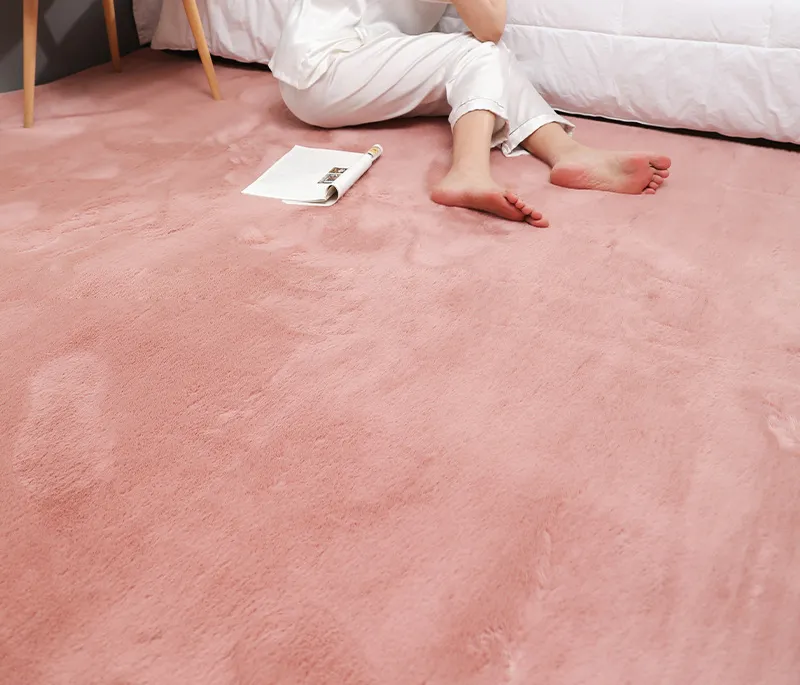
Aspen faux fur rugs represent a significant development in the flooring and home décor industry, offering a synthetic alternative to genuine animal fur. Technically positioned between woven textile floor coverings and high-pile carpets, these rugs are designed to mimic the luxurious feel and aesthetic of natural fur while addressing ethical and practical concerns. Core performance characteristics center around thermal insulation, aesthetic appeal, and ease of maintenance. The manufacturing process, while seemingly simple, involves complex fiber engineering and bonding techniques to achieve desired pile density, texture, and durability. Understanding the material composition, manufacturing intricacies, and performance limitations of aspen faux fur rugs is crucial for procurement professionals and end-users alike, especially given the increasing demand for sustainable and cruelty-free home furnishing options. The industry faces persistent challenges related to achieving realistic textures, minimizing shedding, and ensuring long-term colorfastness, driving ongoing innovation in polymer science and manufacturing processes.
Material Science & Manufacturing
The primary raw material for aspen faux fur rugs is typically a blend of polyester and acrylic fibers. Polyester provides bulk, resilience, and cost-effectiveness, while acrylic contributes to a softer hand-feel and improved texture resembling natural fur. The polyester used is often a variant of polyethylene terephthalate (PET), selected for its durability and resistance to abrasion. Acrylic fibers are typically polyacrylonitrile-based, chosen for their wool-like characteristics. The manufacturing process begins with the extrusion of these polymers into fine filaments. These filaments are then crimped – a crucial step creating the necessary bulk and texture. The crimping process involves heating and mechanically distorting the fibers, resulting in a wavy structure that contributes to the fur-like appearance. Following crimping, the fibers undergo a dyeing process. Disperse dyes are commonly used for polyester, while basic dyes are employed for acrylic. Colorfastness is a critical parameter, requiring rigorous testing to ensure resistance to fading from light exposure, washing, and abrasion. The dyed fibers are then tufted into a backing material, typically polypropylene or jute. Tufting involves inserting loops of fiber into the backing, creating the pile. The loops are then sheared to create a cut-pile surface, mimicking the appearance of fur. The backing is often coated with a latex or polyurethane adhesive to secure the fibers and provide dimensional stability. Key parameter control during manufacturing includes fiber denier (fiber thickness), pile height, pile density, and the uniformity of the dyeing process. Variations in these parameters directly impact the final product’s aesthetic and performance characteristics.
Performance & Engineering
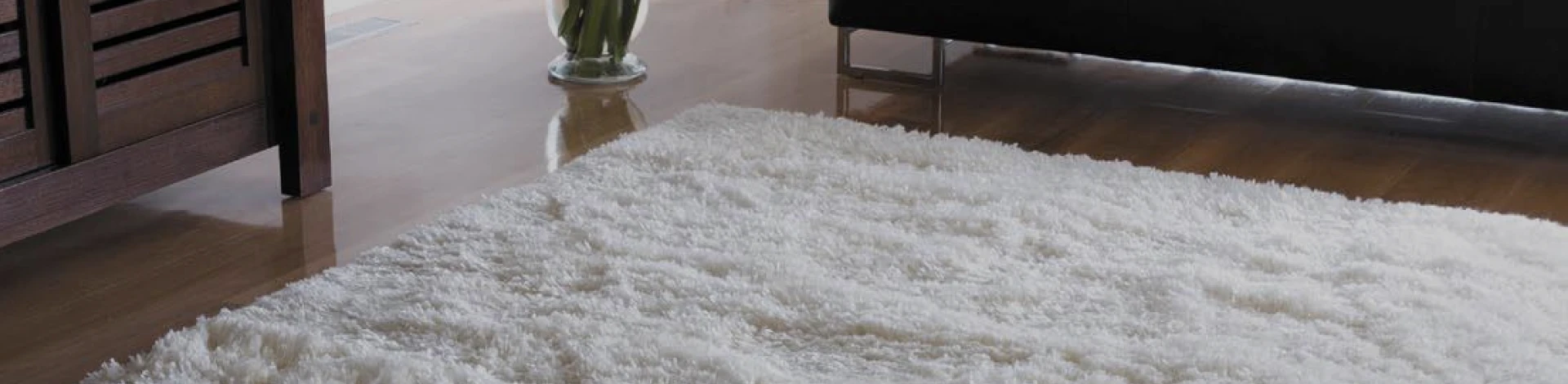
The performance of aspen faux fur rugs is dictated by several engineering considerations. Thermal insulation is a key attribute, with the pile height and density directly influencing the R-value (thermal resistance). A higher pile height and density result in increased air entrapment, providing superior insulation. Force analysis reveals that the rug's performance under compression relates directly to the fiber crimp and backing material's resilience. Repeated compression can lead to fiber flattening and a reduction in pile height. Environmental resistance is another critical factor. While polyester and acrylic are generally resistant to mildew and moths, prolonged exposure to direct sunlight can cause UV degradation, resulting in color fading and fiber embrittlement. Chemical resistance is moderate; the rugs can withstand common household cleaning agents but are susceptible to damage from harsh solvents and strong acids. Compliance requirements vary depending on the intended market. In the United States, regulations from the Consumer Product Safety Commission (CPSC) address flammability and lead content. In Europe, REACH (Registration, Evaluation, Authorisation and Restriction of Chemicals) regulations govern the use of certain chemicals in the manufacturing process. The functional implementation of an aspen faux fur rug depends heavily on the backing material. A non-slip backing is essential for safety, preventing the rug from sliding on smooth surfaces. The backing material also influences the rug's dimensional stability and resistance to wear and tear. Consideration must also be given to the rug’s ability to withstand foot traffic and furniture placement without significant compression or distortion.
Technical Specifications
| Parameter | Unit | Typical Value (Low-Pile) | Typical Value (High-Pile) |
|---|---|---|---|
| Pile Height | mm | 20-25 | 50-60 |
| Pile Density | g/m² | 500-700 | 1200-1800 |
| Fiber Composition | % | Polyester: 80%, Acrylic: 20% | Polyester: 60%, Acrylic: 40% |
| Backing Material | - | Polypropylene | Jute with Latex Coating |
| Tensile Strength (Warp/Weft) | N/5cm | 200/150 | 300/200 |
| Colorfastness to Light | Grade (1-8) | 6-7 | 5-6 |
Failure Mode & Maintenance
Aspen faux fur rugs are susceptible to several failure modes in practical applications. One common issue is shedding, which occurs due to fiber breakage and detachment from the backing. This is often exacerbated by high foot traffic and abrasive cleaning methods. Fatigue cracking of the fibers, particularly in high-pile rugs, can lead to a loss of pile height and a flattened appearance. Delamination, or separation of the pile from the backing, is another potential failure mode, typically caused by adhesive failure or wear and tear on the backing material. Oxidation of the acrylic fibers can occur with prolonged exposure to UV light, leading to discoloration and brittleness. Another potential issue is matting, where the fibers become compressed and tangled, resulting in a loss of fluffiness. Maintenance is crucial for extending the lifespan of the rug. Regular vacuuming with a brush attachment is essential for removing dust and debris. Avoid using harsh chemicals or abrasive cleaners, as these can damage the fibers. Spot cleaning should be performed with a mild detergent and water. Professional cleaning is recommended every 12-18 months. To prevent matting, periodically fluff the pile with a soft brush. To mitigate shedding, avoid excessive rubbing and consider using a rug pad to reduce friction. Proper storage in a cool, dry place is essential to prevent mildew and UV degradation. Addressing these issues proactively will significantly extend the functional life and aesthetic appeal of the aspen faux fur rug.
Industry FAQ
Q: What is the primary difference between polyester and acrylic fibers in terms of performance for faux fur rugs?
A: Polyester generally offers superior durability and abrasion resistance, making it suitable for high-traffic areas. Acrylic provides a softer hand-feel and a more realistic fur-like texture, but is less durable and more susceptible to UV degradation. The optimal blend depends on the intended application and desired balance of properties.
Q: How does pile height impact the thermal insulation properties of the rug?
A: Pile height directly correlates with thermal insulation. A taller pile height creates more air pockets, trapping more air and increasing the R-value (thermal resistance) of the rug. However, a very high pile can be more prone to matting and fiber crushing.
Q: What are the common causes of shedding and how can it be minimized?
A: Shedding is typically caused by fiber breakage and detachment from the backing, often due to abrasion or low-quality fiber bonding. Minimizing shedding involves using high-quality fibers, employing robust tufting and bonding techniques, regular vacuuming with a brush attachment, and avoiding harsh cleaning methods.
Q: Are aspen faux fur rugs resistant to staining, and what cleaning methods are recommended?
A: While generally resistant to common household stains, prompt cleaning is crucial. Avoid harsh chemicals and abrasive cleaners, as these can damage the fibers. Spot cleaning should be performed with a mild detergent and water. Professional cleaning is recommended for deep cleaning and stain removal.
Q: What certifications or standards should I look for when sourcing aspen faux fur rugs to ensure quality and safety?
A: Look for certifications like OEKO-TEX Standard 100, which ensures the absence of harmful substances. Compliance with CPSC regulations (US) and REACH regulations (Europe) is also essential for safety. Testing reports for flammability, abrasion resistance, and colorfastness should be available from reputable suppliers.
Conclusion
Aspen faux fur rugs represent a sophisticated application of polymer science and textile engineering, providing a viable and ethical alternative to natural fur. Their performance characteristics are fundamentally linked to material selection, manufacturing processes, and maintenance practices. Understanding the interplay between fiber composition, pile density, and backing material is crucial for optimizing thermal insulation, durability, and aesthetic appeal. The industry continues to evolve, driven by demand for improved texture realism, enhanced colorfastness, and reduced environmental impact.
Future innovations will likely focus on developing more sustainable fiber sources, employing advanced tufting techniques to minimize shedding, and incorporating antimicrobial treatments to enhance hygiene. Procurement professionals should prioritize suppliers who demonstrate a commitment to quality control, compliance with international standards, and transparent manufacturing practices. Continued research and development in polymer science will be essential for pushing the boundaries of performance and sustainability in the faux fur rug market.