

at home faux fur rug Performance Analysis
Introduction
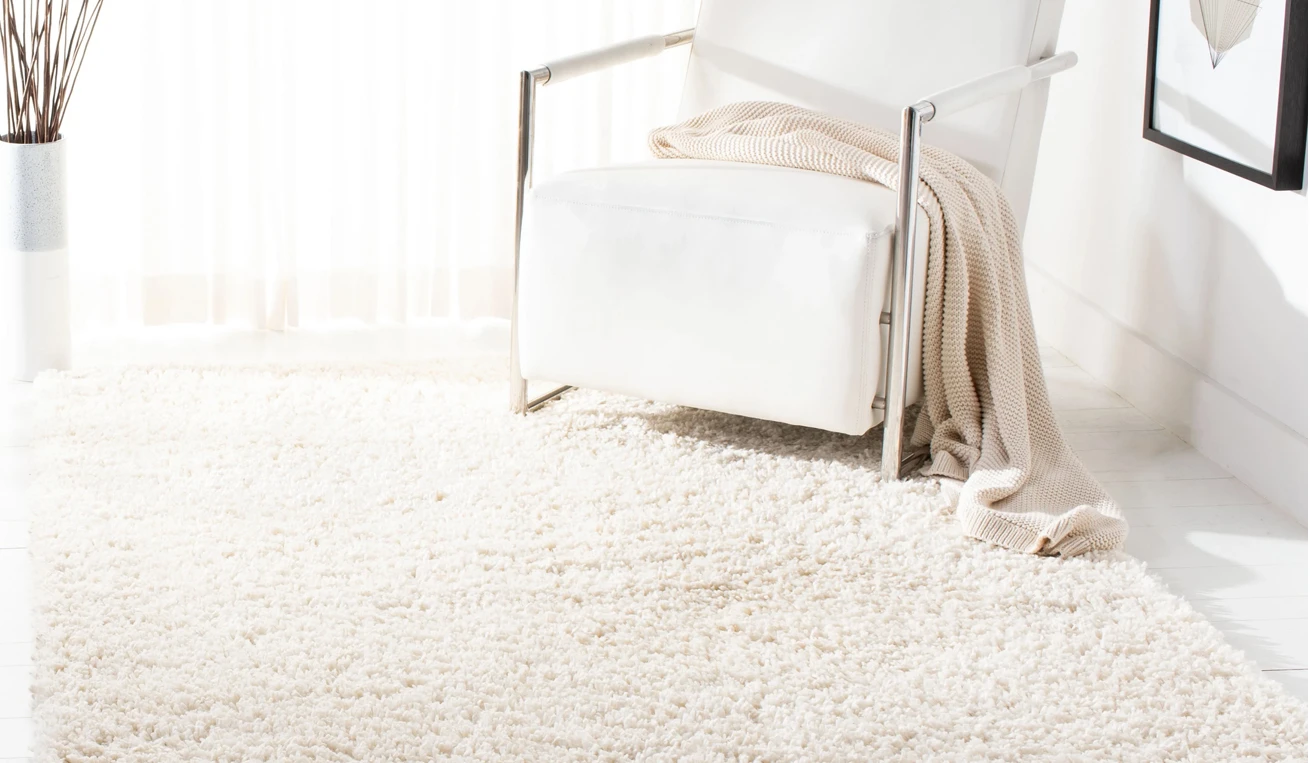
At home faux fur rugs represent a significant segment within the broader decorative textiles market, positioned as an accessible and ethically-sourced alternative to genuine animal fur. These rugs are constructed using synthetic fibers designed to mimic the look and feel of natural fur, providing warmth, comfort, and aesthetic appeal without the animal welfare concerns and high cost associated with authentic materials. Their technical position lies in the intersection of polymer chemistry, textile engineering, and interior design. Core performance characteristics center on durability, pile density, fiber shedding, and resistance to common household stressors such as foot traffic, staining, and UV exposure. A key pain point for manufacturers revolves around achieving a realistic fur-like texture and luster while maintaining acceptable levels of abrasion resistance and dimensional stability. Consumer concerns frequently address ease of cleaning, potential allergenicity, and the long-term retention of softness and appearance. The manufacturing process attempts to balance cost-effectiveness with the need to meet evolving consumer expectations for both luxury and sustainability.
Material Science & Manufacturing
The primary raw material for faux fur rugs is typically a polyester or acrylic fiber. Polyester (polyethylene terephthalate, PET) offers good resilience, strength, and resistance to stretching and shrinking. Acrylic fibers (polyacrylonitrile) are favored for their closer resemblance to natural fur in terms of softness and texture. These polymers are produced through polymerization processes involving monomers derived from petroleum. The manufacturing process begins with the extrusion of these molten polymers into fine filaments. These filaments are then processed through a cutting and crimping stage to create the fur-like pile. The pile height, density, and crimp frequency are critical parameters dictating the final appearance and tactile properties of the rug. A backing material, typically polypropylene or jute, provides structural support and prevents the pile from unraveling. The pile fibers are then tufted or woven into this backing using specialized machinery. Tufting involves inserting the fibers through the backing, while weaving interlaces the fibers over and under the backing threads. After tufting or weaving, the rug undergoes a series of finishing processes, including brushing, shearing, and dyeing. Dyeing utilizes reactive dyes or pigment dispersions to achieve the desired color and aesthetic effects. Parameter control during extrusion (temperature, flow rate, die design) impacts fiber uniformity and strength. Careful control of tufting/weaving density and pile height is crucial for consistent aesthetics and performance. Dyeing temperature and dwell time significantly influence color fastness and fiber integrity. The backing material's tensile strength and dimensional stability are also critical process parameters.
Performance & Engineering
The performance of a faux fur rug is primarily dictated by its ability to withstand compressive forces (foot traffic), tensile stresses (pulling or tearing), and environmental factors like UV exposure and temperature fluctuations. Force analysis reveals that the pile fibers bear the brunt of compressive loads, necessitating sufficient fiber crimp and density to prevent matting and crushing. Tensile strength, both of the fibers and the backing material, is critical for preventing delamination and tearing during use and handling. Environmental resistance is a significant concern. Prolonged UV exposure can lead to fiber degradation and color fading. Temperature fluctuations can induce dimensional changes in the fibers and backing, potentially causing buckling or warping. Compliance requirements vary by region but often include flammability standards (e.g., California Proposition 65 regarding formaldehyde emissions), VOC emission limits, and labeling regulations regarding fiber content. Functional implementation considerations include the rug's intended use (bedroom, living room, children's play area) and the expected level of foot traffic. For high-traffic areas, a more durable backing material and higher pile density are recommended. The selection of dyes must consider colorfastness to washing and light, as well as potential allergenic reactions. The rug’s construction method (tufted vs. woven) impacts its overall durability and aesthetic properties; woven rugs generally offer superior longevity but at a higher manufacturing cost.
Technical Specifications
| Parameter | Unit | Typical Value (Low End) | Typical Value (High End) |
|---|---|---|---|
| Pile Fiber Material | - | Polyester | Acrylic |
| Pile Height | mm | 20 | 60 |
| Pile Density | oz/sq yd | 800 | 2000 |
| Backing Material | - | Polypropylene | Jute |
| Tensile Strength (Fiber) | MPa | 40 | 80 |
| Colorfastness to Light (Grey Scale Rating) | - | 4 | 6 |
| Flammability (Pass/Fail - DOC FF 1-70) | - | Pass | Pass |
Failure Mode & Maintenance
Common failure modes for faux fur rugs include fiber shedding, pile matting, delamination of the pile from the backing, and discoloration due to UV exposure or staining. Fiber shedding is primarily caused by abrasion during use and washing, resulting in loose fibers breaking away from the pile. Pile matting occurs when the fibers become compressed and lose their upright structure, leading to a flattened appearance. This is exacerbated by heavy foot traffic and inadequate pile density. Delamination arises from weak adhesion between the pile fibers and the backing material, often due to poor manufacturing quality or the use of incompatible adhesives. UV degradation causes the fibers to become brittle and discolored, especially in areas exposed to direct sunlight. Staining, if not addressed promptly, can permanently damage the fibers. Maintenance recommendations include regular vacuuming (using a brush attachment to avoid damaging the fibers), spot cleaning with a mild detergent and water, and avoiding prolonged exposure to direct sunlight. Professional cleaning is recommended periodically to remove embedded dirt and restore pile loft. For delamination, repair is often impractical, necessitating rug replacement. Preventing failure modes involves selecting a rug with high pile density, a durable backing material, and UV-resistant fibers. Proper maintenance practices significantly extend the rug's lifespan and preserve its aesthetic appeal.
Industry FAQ
Q: What is the difference between polyester and acrylic faux fur, and which is more durable?
A: Polyester generally exhibits higher tensile strength and abrasion resistance than acrylic, making it more durable for high-traffic areas. However, acrylic fibers more closely mimic the texture and softness of natural fur, providing a more luxurious feel. Polyester is also typically more resistant to fading from UV exposure than acrylic.
Q: How do I prevent excessive shedding on my faux fur rug?
A: Initial shedding is normal for faux fur rugs. Regular vacuuming with a brush attachment helps to remove loose fibers. Choosing a rug with a higher pile density and tightly secured fibers will minimize shedding over time. Avoid aggressive scrubbing or pulling on the fibers.
Q: Are faux fur rugs hypoallergenic?
A: Faux fur rugs are generally considered hypoallergenic as they do not contain the allergens found in animal dander. However, the synthetic fibers themselves can potentially trigger allergic reactions in sensitive individuals. It is recommended to check the fiber content and perform a patch test if you have known sensitivities.
Q: How do I clean a stained faux fur rug?
A: Promptly blot up spills with a clean cloth. For most stains, a mild detergent diluted in water can be used to spot clean the affected area. Avoid harsh chemicals or abrasive cleaners. Rinse thoroughly with clean water and allow to air dry completely. Professional cleaning is recommended for stubborn stains.
Q: What is the expected lifespan of a typical at home faux fur rug?
A: The lifespan of a faux fur rug varies depending on usage and maintenance. With proper care, a high-quality rug can last between 5 to 10 years. Factors affecting lifespan include foot traffic, UV exposure, and the quality of materials and construction.
Conclusion
At home faux fur rugs represent a compelling intersection of textile engineering, material science, and consumer demand for ethical and aesthetically pleasing home furnishings. The selection of appropriate materials – primarily polyester or acrylic – alongside meticulous manufacturing controls over pile height, density, and backing adhesion, dictates the rug’s performance characteristics, including durability, resistance to wear, and aesthetic longevity. Understanding potential failure modes such as fiber shedding, delamination, and UV degradation, coupled with consistent and appropriate maintenance practices, is crucial for maximizing the lifespan and value of these products.
Looking forward, advancements in polymer chemistry and fiber extrusion technologies promise to yield even more realistic and durable faux fur materials. Innovations in backing construction and adhesive formulations will further enhance the structural integrity of these rugs. The continued focus on sustainability will drive the development of faux fur fibers derived from recycled materials, mitigating the environmental impact associated with traditional petroleum-based production. Ultimately, a comprehensive understanding of the technical aspects of faux fur rug construction will empower manufacturers and consumers alike to make informed decisions and optimize product performance and longevity.