

bazaar area rug faux fur Performance Analysis
Introduction
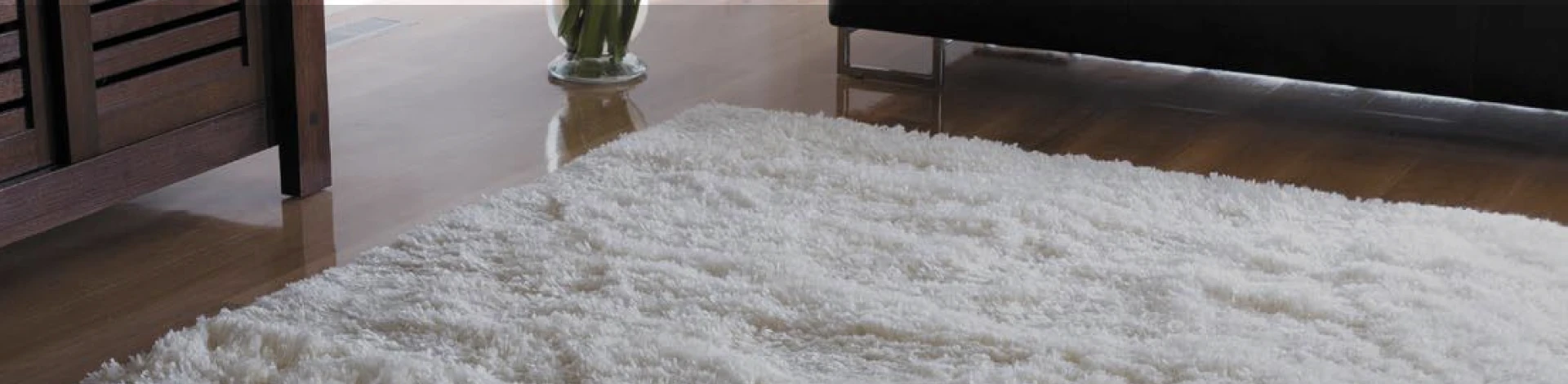
Bazaar area rugs featuring faux fur represent a significant segment within the broader decorative textile industry, bridging the aesthetic appeal of luxury fibers with the cost-effectiveness and ease of maintenance of synthetic materials. These rugs typically consist of a backing material – often polypropylene or jute – overlaid with a pile fabricated from acrylic, polyester, or modacrylic fibers designed to mimic the texture and appearance of genuine animal fur. Their primary function is to provide warmth, comfort, and aesthetic enhancement to interior spaces, particularly in residential and light commercial applications. The manufacturing process balances visual fidelity to natural fur with performance characteristics such as durability, stain resistance, and hypoallergenic properties. A critical challenge within this industry revolves around achieving a realistic tactile experience alongside consistent quality control and compliance with flammability and chemical emission regulations. Understanding the interplay between material selection, manufacturing techniques, and performance metrics is essential for both producers and consumers seeking optimal product value.
Material Science & Manufacturing
The core material of bazaar area rug faux fur is the synthetic fiber composing the pile. Acrylic fibers (polyacrylonitrile) are commonly utilized due to their inherent bulk, soft hand feel, and relatively low cost. However, polyester (polyethylene terephthalate) and modacrylic fibers are also prevalent, offering enhanced durability, UV resistance, and flame retardancy, respectively. The backing material is typically polypropylene (PP) woven or non-woven fabric, providing structural support and dimensional stability. Jute, a natural fiber, may be employed as an additional backing layer for enhanced texture and biodegradability, though it compromises durability in damp environments.
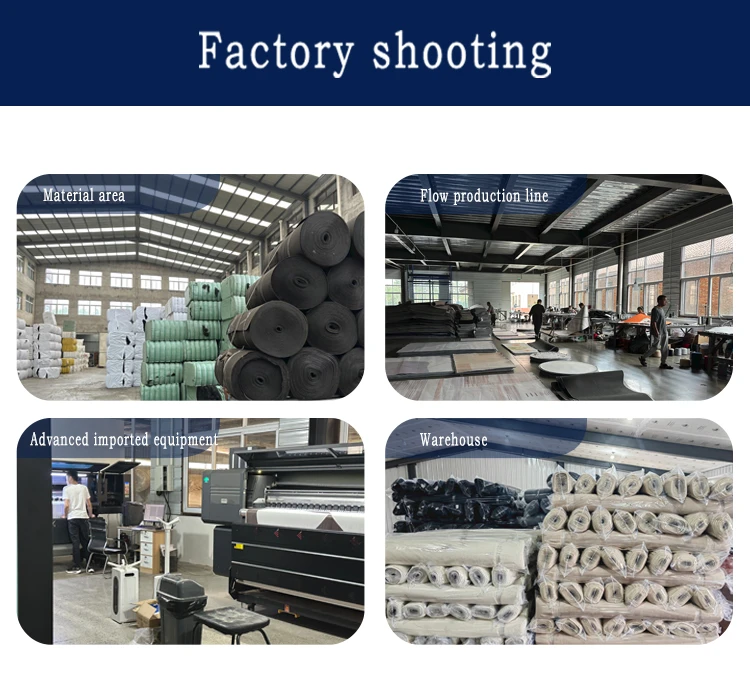
Manufacturing involves several key stages. Fiber production begins with polymerization of the respective monomer. This is followed by fiber extrusion through spinnerets, determining the fiber diameter and cross-sectional shape, crucial for achieving a realistic fur-like texture. The extruded fibers undergo stretching to enhance tensile strength and are then crimped to create bulk and loft. The pile is constructed using tufting, knitting, or weaving techniques. Tufting involves inserting fibers into a primary backing material using needles, followed by coating with a secondary backing for added stability. Knitting creates loops of fiber directly on the backing, while weaving interlaces warp and weft yarns for a more robust construction. Shearing and brushing processes refine the pile height and texture, mimicking the appearance of natural fur. Critical parameters include fiber denier (fineness), pile density (weight per unit area), and tufting/knitting/weaving gauge. Coloration is typically achieved through solution dyeing (adding pigment during fiber extrusion) or post-dyeing processes using reactive dyes, ensuring colorfastness and resistance to fading. Quality control relies on rigorous testing of fiber properties, pile performance, and adherence to dimensional tolerances.
Performance & Engineering
The performance of bazaar area rugs with faux fur is governed by several engineering considerations. The primary concern is the resistance to compressive forces – the rug must maintain its pile height and shape under foot traffic. This is determined by the fiber resilience, pile density, and backing material’s tensile strength. Force analysis reveals that repeated compression leads to fiber bending and potential fatigue, resulting in pile flattening. Environmental resistance is another critical factor. Exposure to UV radiation can degrade acrylic and polyester fibers, causing discoloration and embrittlement. Moisture absorption can lead to mildew growth and dimensional instability, particularly in jute-backed rugs. Flame retardancy is paramount, dictated by regulations such as California Technical Bulletin 117. Modacrylic fibers offer inherent flame resistance, while treatments with flame retardant chemicals are often applied to acrylic and polyester piles. Compliance requirements also include limits on volatile organic compound (VOC) emissions, ensuring indoor air quality. Functional implementation dictates that the rug must provide a safe and comfortable walking surface, preventing slips and falls. This is often addressed through the use of anti-slip backing materials and adherence to standards for slip resistance.
Technical Specifications
| Parameter | Acrylic Fiber | Polyester Fiber | Modacrylic Fiber | Polypropylene Backing |
|---|---|---|---|---|
| Tensile Strength (MPa) | 40-70 | 60-80 | 30-50 | 25-35 |
| Elongation at Break (%) | 15-30 | 20-40 | 25-35 | 10-20 |
| Pile Height (mm) | 20-50 | 20-50 | 20-40 | N/A |
| Pile Density (g/m²) | 800-1500 | 800-1800 | 600-1200 | N/A |
| Water Absorption (%) | 5-10 | 0.5-1.5 | 1-3 | 0.1-0.5 |
| UV Resistance (Rating 1-5, 5=Excellent) | 2 | 3 | 4 | 3 |
Failure Mode & Maintenance
Bazaar area rugs with faux fur are susceptible to several failure modes. Pile flattening, caused by repeated compressive loading, is a common issue, reducing the rug’s aesthetic appeal and comfort. Fiber shedding, particularly during initial use, indicates insufficient fiber anchoring or low fiber tenacity. Matting and crushing occur due to fiber entanglement and lack of resilience. Discoloration, stemming from UV exposure or staining, diminishes the rug’s visual quality. Delamination, where the pile separates from the backing, results from adhesive failure or mechanical stress. Oxidation of acrylic fibers can lead to brittleness and cracking over extended periods.
Maintenance is crucial for prolonging the rug’s lifespan. Regular vacuuming removes dust and debris, preventing fiber matting. Prompt stain removal using appropriate cleaning agents minimizes permanent discoloration. Avoidance of direct sunlight and excessive moisture protects against UV degradation and mildew growth. Professional cleaning, utilizing specialized equipment and detergents, is recommended periodically to restore pile loft and remove deeply embedded dirt. Rotation of the rug mitigates uneven wear patterns. For minor pile flattening, gently brushing the pile in the direction of the fibers can restore some of its original appearance. In cases of significant delamination, professional repair or replacement may be necessary.
Industry FAQ
Q: What is the primary difference between acrylic and polyester faux fur in terms of durability?
A: Polyester generally exhibits superior durability compared to acrylic. While acrylic offers a softer hand feel, polyester possesses higher tensile strength and abrasion resistance, meaning it can withstand higher foot traffic and maintain its pile integrity for a longer period. Polyester also demonstrates better resilience, recovering from compression more effectively than acrylic.
Q: How does the backing material influence the overall performance of the rug?
A: The backing material provides structural support and dimensional stability. Polypropylene is commonly used due to its cost-effectiveness and resistance to moisture. Jute adds a natural texture but is susceptible to damage in damp conditions. The backing’s tensile strength directly impacts the rug's ability to withstand stretching and tearing, and its permeability affects air circulation and potential mildew growth.
Q: What are the key flammability standards that bazaar area rugs faux fur must meet?
A: The primary flammability standard is California Technical Bulletin 117 (TB 117), which assesses the smolder resistance of upholstered furniture and related items. Compliance involves either using inherently flame-retardant fibers like modacrylic or treating other fibers with flame retardant chemicals. Other relevant standards may include NFPA 701 (Standard Methods of Fire Tests for Flame Propagation of Textiles and Films) depending on the intended application.
Q: How can I minimize pile flattening and maintain the plushness of my faux fur rug?
A: Regular vacuuming, using a low-suction setting, is crucial to remove debris that contributes to matting. Rotating the rug periodically distributes wear evenly. Avoid placing heavy furniture directly on the pile for extended periods. For localized flattening, gently brushing the pile in the direction of the fibers can restore some loft. Professional cleaning can also revitalize the pile.
Q: Are there any environmental considerations related to the production and disposal of faux fur rugs?
A: The production of synthetic fibers relies on petrochemicals, raising concerns about fossil fuel consumption and carbon emissions. Polyester can be partially recycled, but acrylic recycling is less common. Disposal of the rug in landfills poses environmental challenges due to the non-biodegradability of the synthetic materials. Choosing rugs with recycled content or those manufactured using sustainable practices can mitigate these concerns.
Conclusion
Bazaar area rugs featuring faux fur represent a complex interplay of material science, manufacturing processes, and performance engineering. The selection of fiber type—acrylic, polyester, or modacrylic—dictates key characteristics such as softness, durability, and flame retardancy. Optimizing manufacturing techniques like tufting or knitting ensures adequate pile density and structural integrity. Addressing environmental resistance through UV stabilizers and moisture barriers, alongside adherence to stringent flammability and VOC emission standards, are critical for ensuring product safety and longevity.
Future advancements will likely focus on developing more sustainable and recyclable synthetic fibers, improving fiber resilience to minimize pile flattening, and enhancing stain resistance through novel chemical treatments. Furthermore, advancements in textile engineering may lead to the creation of faux fur with even more realistic tactile properties, bridging the gap between synthetic and natural materials. Continuous innovation in these areas will be essential for maintaining the competitiveness and appeal of bazaar area rugs within the evolving decorative textile market.